
Basic Information – Hungary 🇭🇺
Geography & Landscape
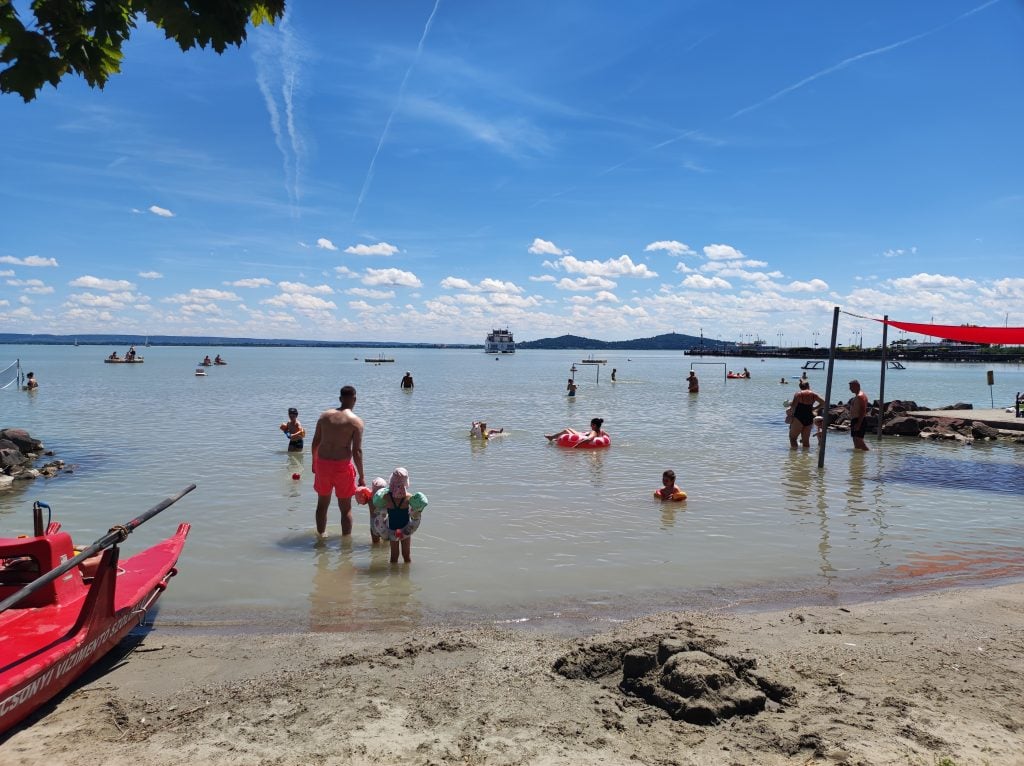
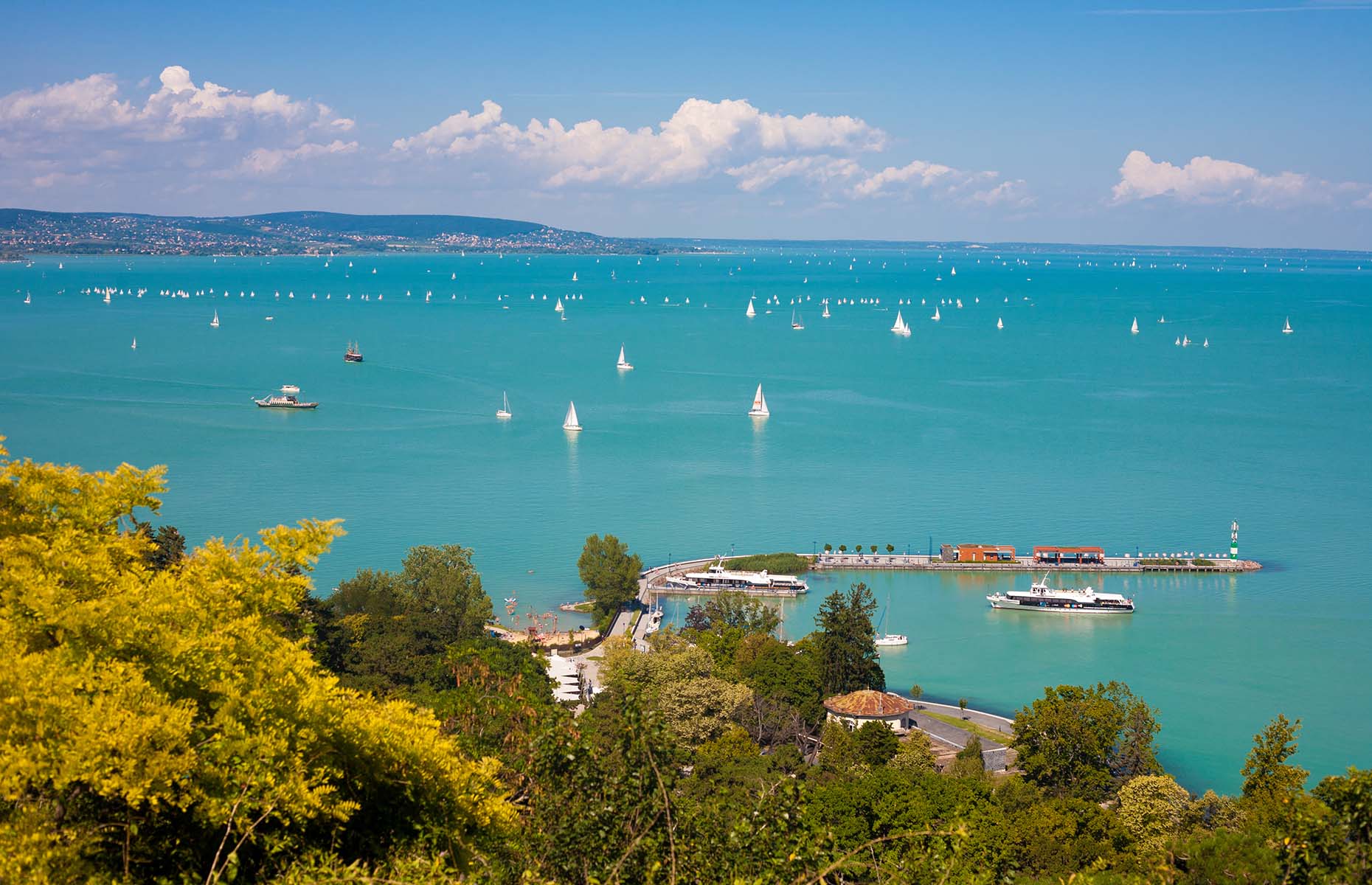
Hungary lies in the heart of the Pannonian Basin, shaped by rolling plains, thermal springs, and river valleys. The Danube divides the country through Budapest, while Lake Balaton—Central Europe’s largest lake—anchors vineyard hills and resort towns. From the puszta grasslands of Hortobágy to the wooded foothills of the Carpathians, Hungary blends open horizons with historic river landscapes.
Climate
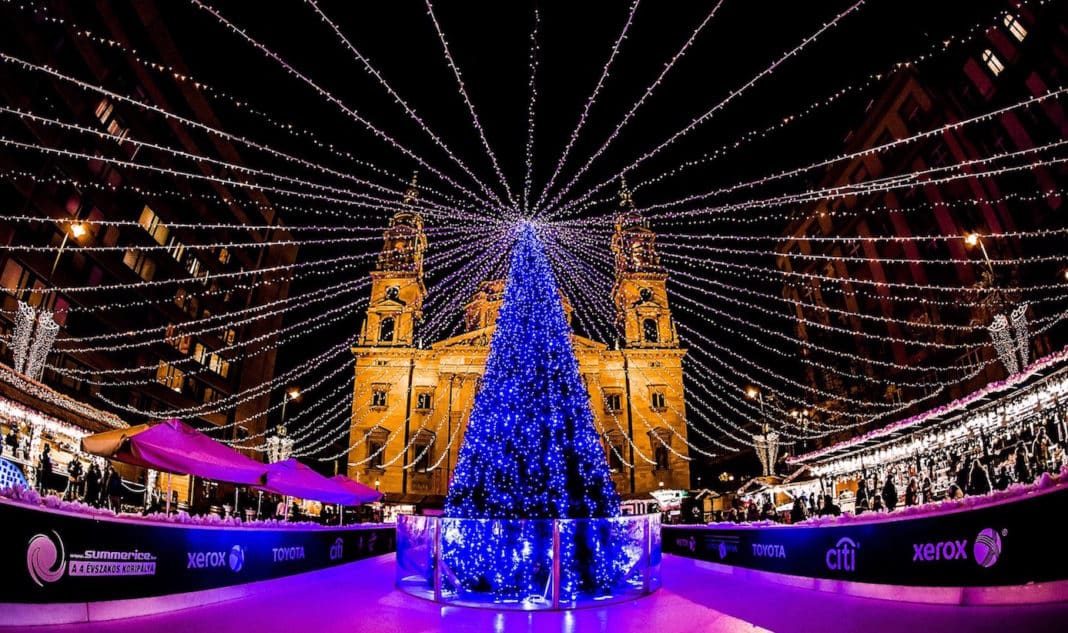
Hungary experiences a continental climate with hot summers and cold, snowy winters. Dry summer days suit festivals and vineyards, while winter frosts bring seasonal markets and thermal bath escapes.
Warm & dry (20–30°C)
Cold & snowy (-5–5°C)
Tourism Highlights
Monuments
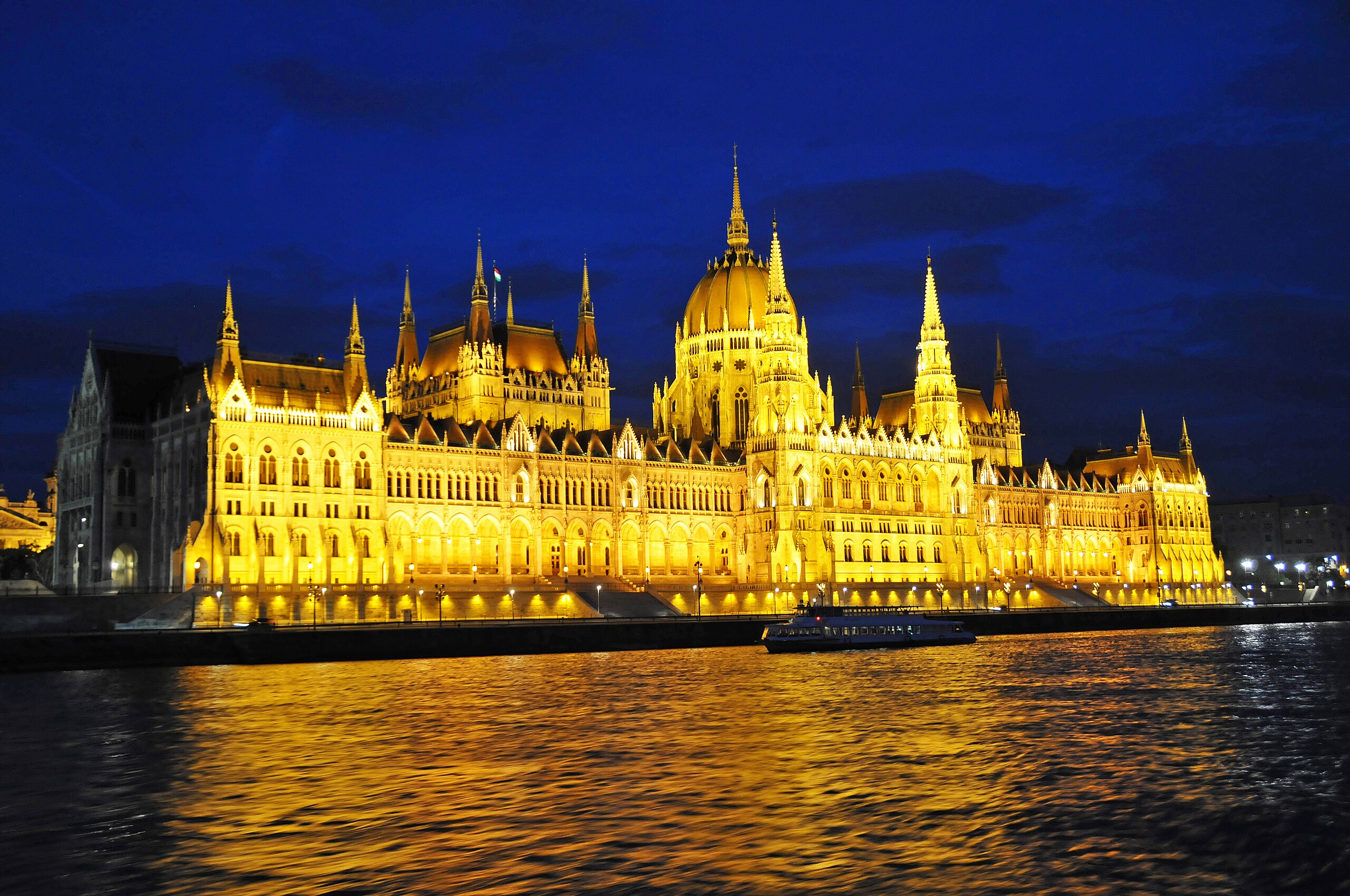
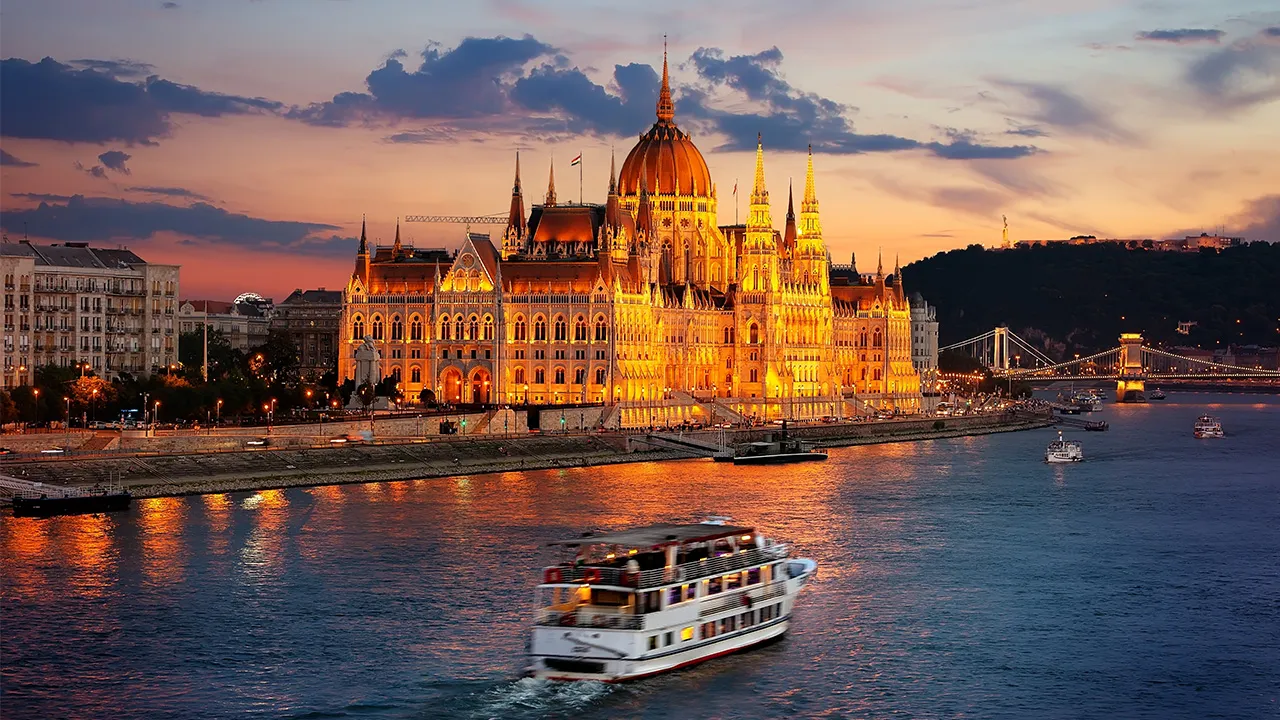
- Hungarian Parliament Building – Budapest’s grand neo-Gothic landmark rising along the Danube River
- Buda Castle – Historic royal complex crowning Castle Hill with museums, courtyards, and panoramic views
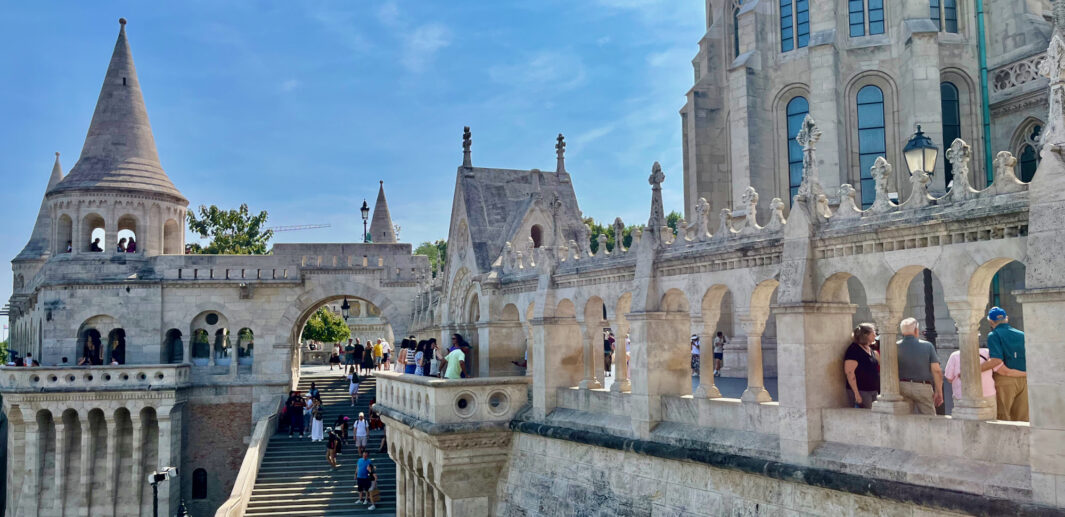
- Fisherman’s Bastion – Neo-Romanesque terrace offering iconic vistas over the Parliament and Danube
Cultural Sites
Natural Landscapes
Adventures & Activities
- Evening Danube cruises past Budapest’s illuminated Parliament and bridges
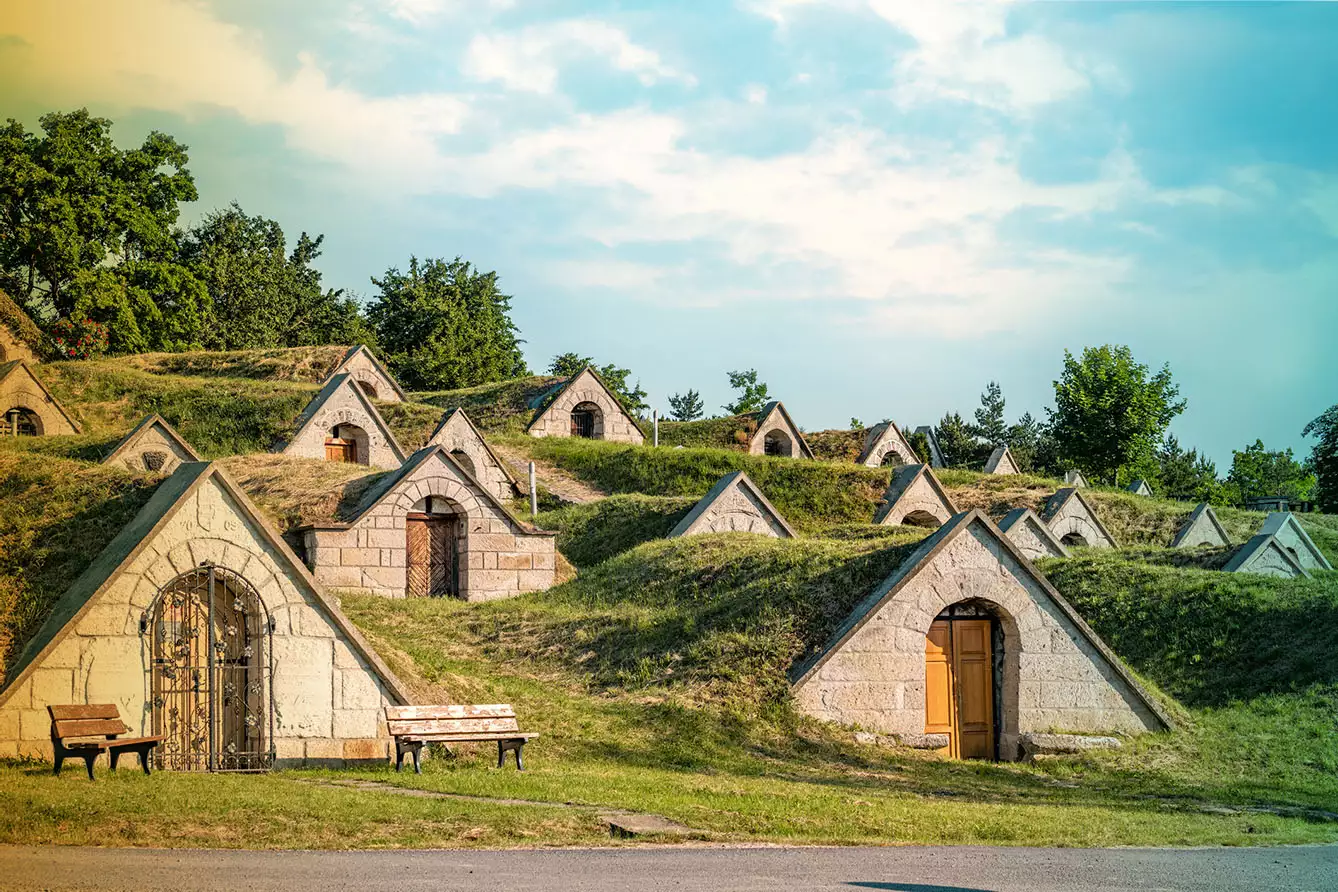
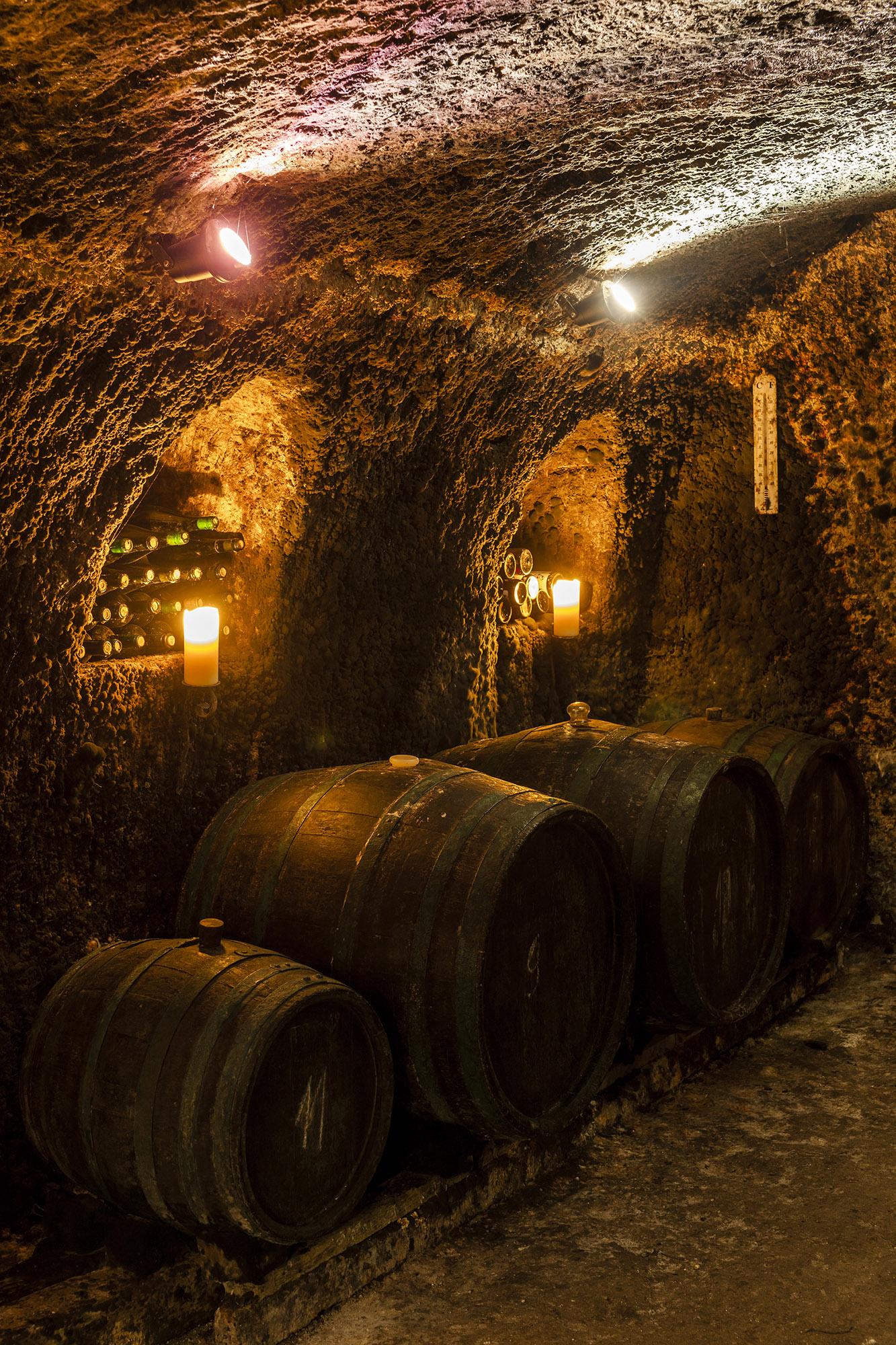
- Cycling through Tokaj’s vineyard loops and historic wine cellars
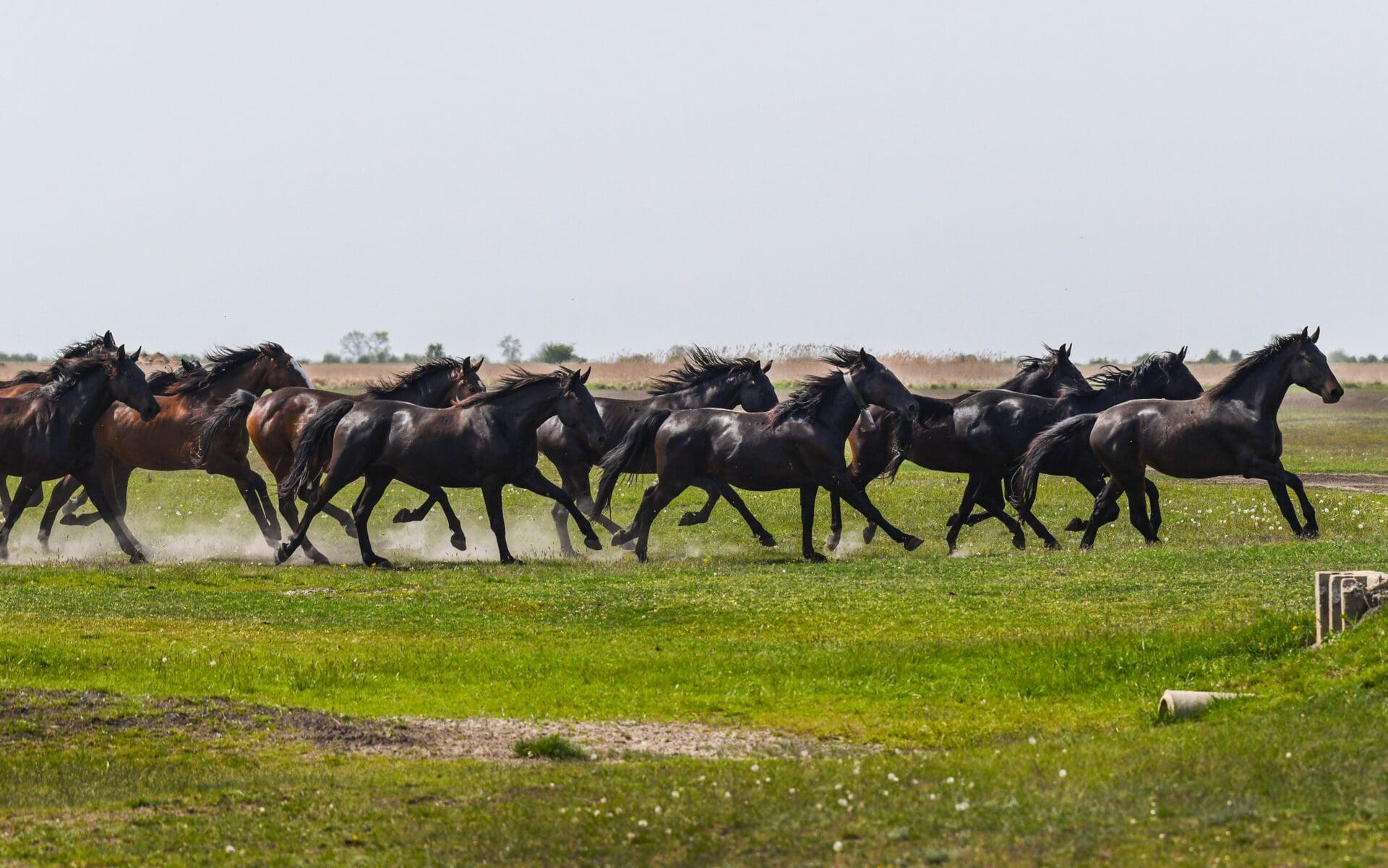
- Horse trekking across the vast Hortobágy Puszta plains
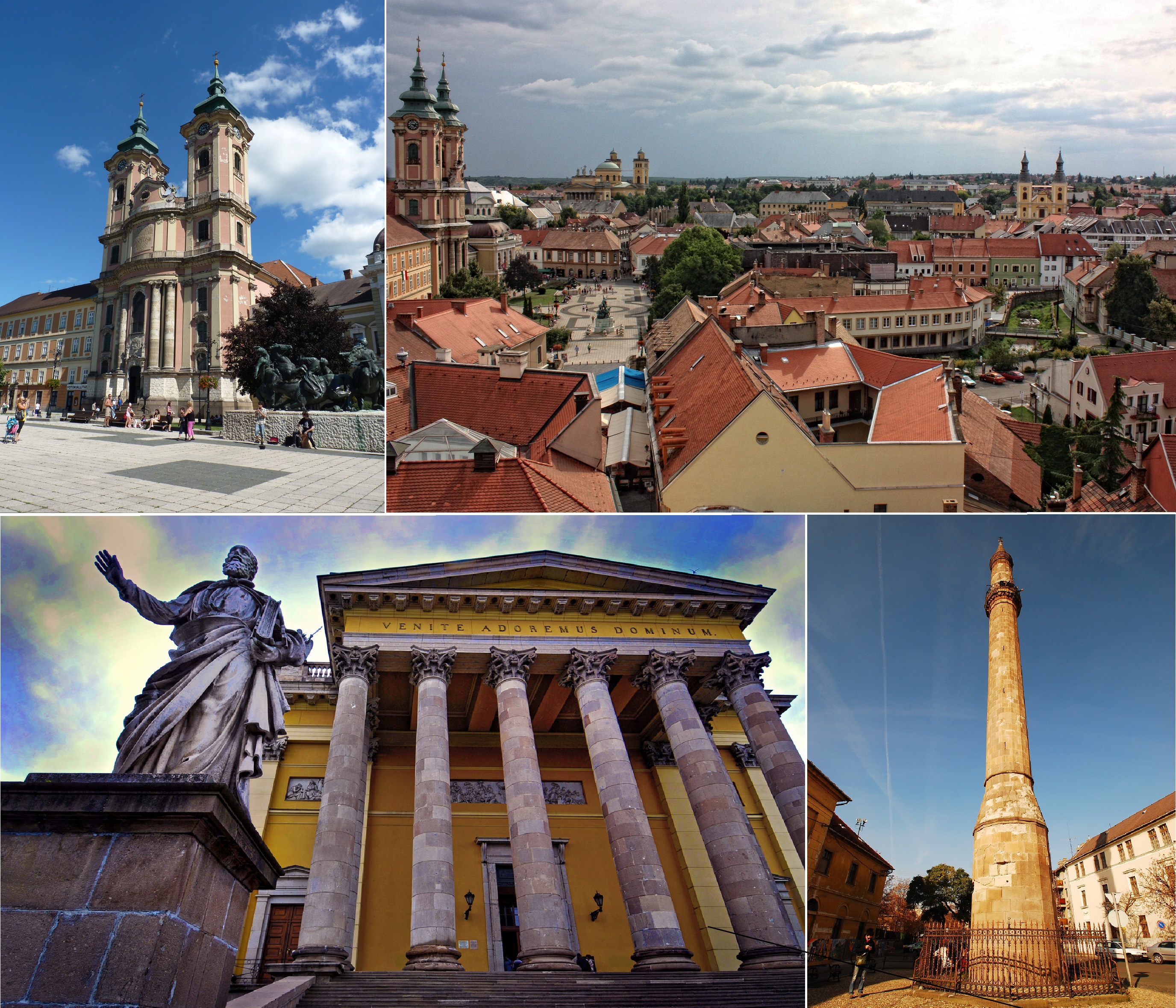
- Climbing the Eger minaret for sweeping views over the old town
- Sailing adventures across Lake Balaton’s reed-lined shores
- Exploring the dripstone chambers of the Aggtelek cave system
Local Culture & Lifestyle
Festivals & Events
Local Food & Cuisine
Lángos – Deep-fried dough topped with garlic and sour cream
Chimney Cake – Sweet spiral pastry roasted over fire
Halászlé – Spicy fisherman’s soup made with river fish
Dobos Torte – Layered sponge cake with caramel topping
Art & Music
- Liszt Rhapsodies – Fiery piano compositions celebrating Hungarian musical identity
- Bartók Folk Music – Classical works inspired by rural peasant songs and rhythms
- Csárdás Violin – Fast-paced folk dance music led by expressive gypsy fiddles
- Rubik’s Inventions – Iconic puzzle designs originating from Hungarian inventor Ernő Rubik
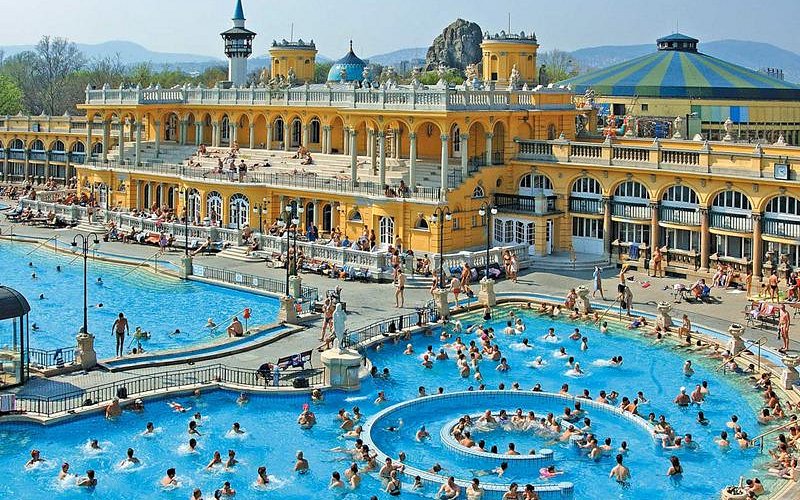
- Thermal Spa Culture – Artistic bathhouse architecture blended with music and leisure traditions
Local Markets
Travel Essentials
- Visa: Schengen Area; visa-free up to 90 days (90/180 rule) for EU/US travelers; ETIAS from 2025.
- Transport: MÁV trains, Budapest Metro, Volán buses, Wizz Air, and the BKK transport app.
- Accommodation: Budapest ruin-bar districts, Lake Balaton lakeside hotels, and Tokaj wine pensions.
- Budget: $60–120 (budget), $120–240 (mid-range), $300+ (luxury spa resorts and heritage stays).
- Safety: Generally very safe; watch for pickpockets in Budapest and slippery thermal spa areas.
Fun Facts & Highlights
- Trivia: Birthplace of the Rubik’s Cube, major paprika producer, inventor of the ballpoint pen, and more thermal spas than Iceland.
- Hidden Gems: Eger’s Valley of Beautiful Women cellars, Lillafüred Cave Lake, and UNESCO-listed Pannonhalma Archabbey.
- Movies: The Grand Budapest Hotel (2014) and Evita (1996).
- Insta Spots: Hungarian Parliament reflections, Fisherman’s Bastion spires, and Tokaj’s golden vineyards.
Quick Guide
A handy guide for travelers highlighting the top attractions, local cuisine, accommodation, souvenirs, and essential phrases to help you plan your trip efficiently and immerse yourself in Hungary’s paprika pulses and Danube dreams.
Top Hotels


Top Souvenirs
Paprika powders, chimney cake molds, Rubik's mini cubes.
Common Phrases
- Hello: Szia
- Thank You: Köszönöm
- Please: Kérem
Quick Tips
- BKK app transit; lángos garlic rub.
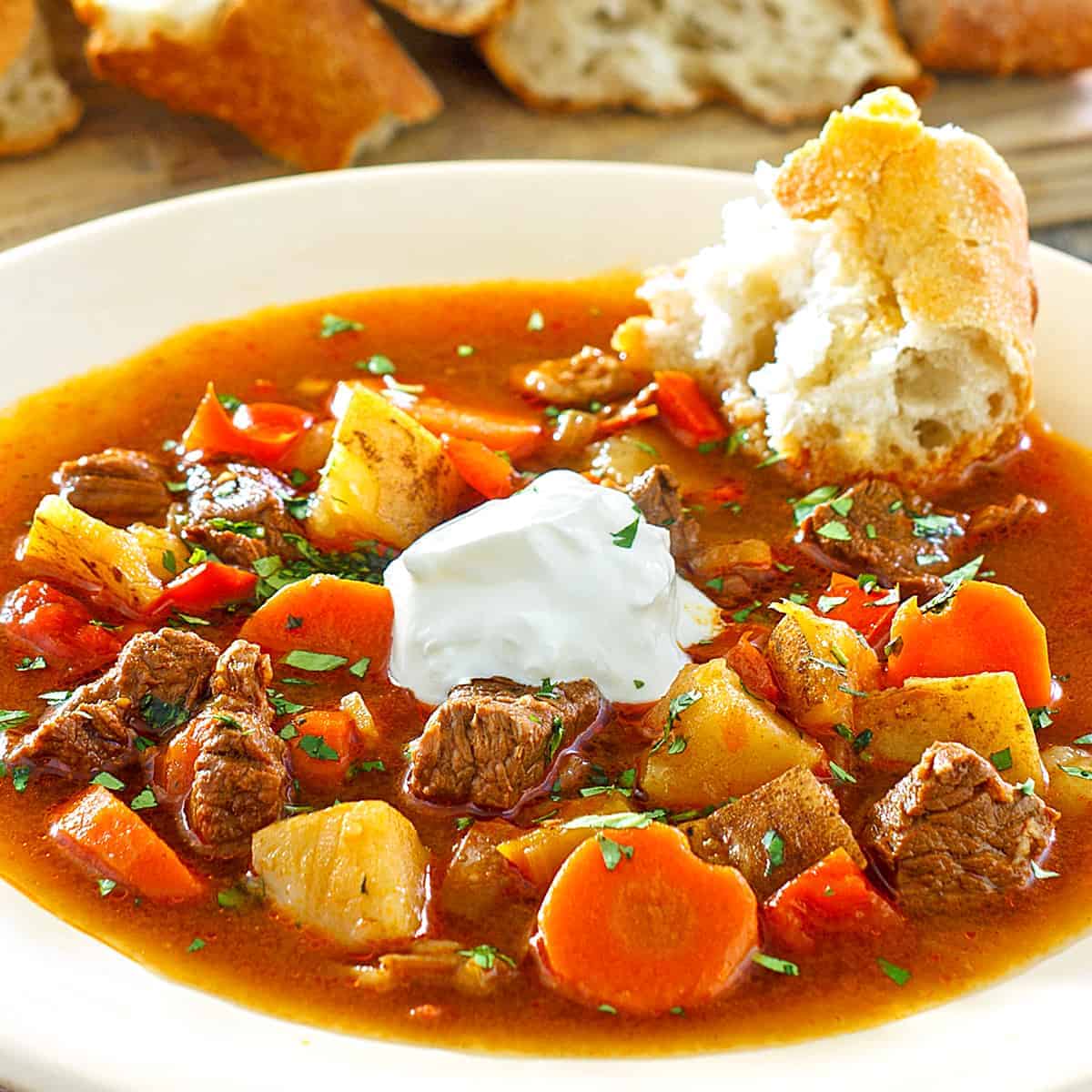
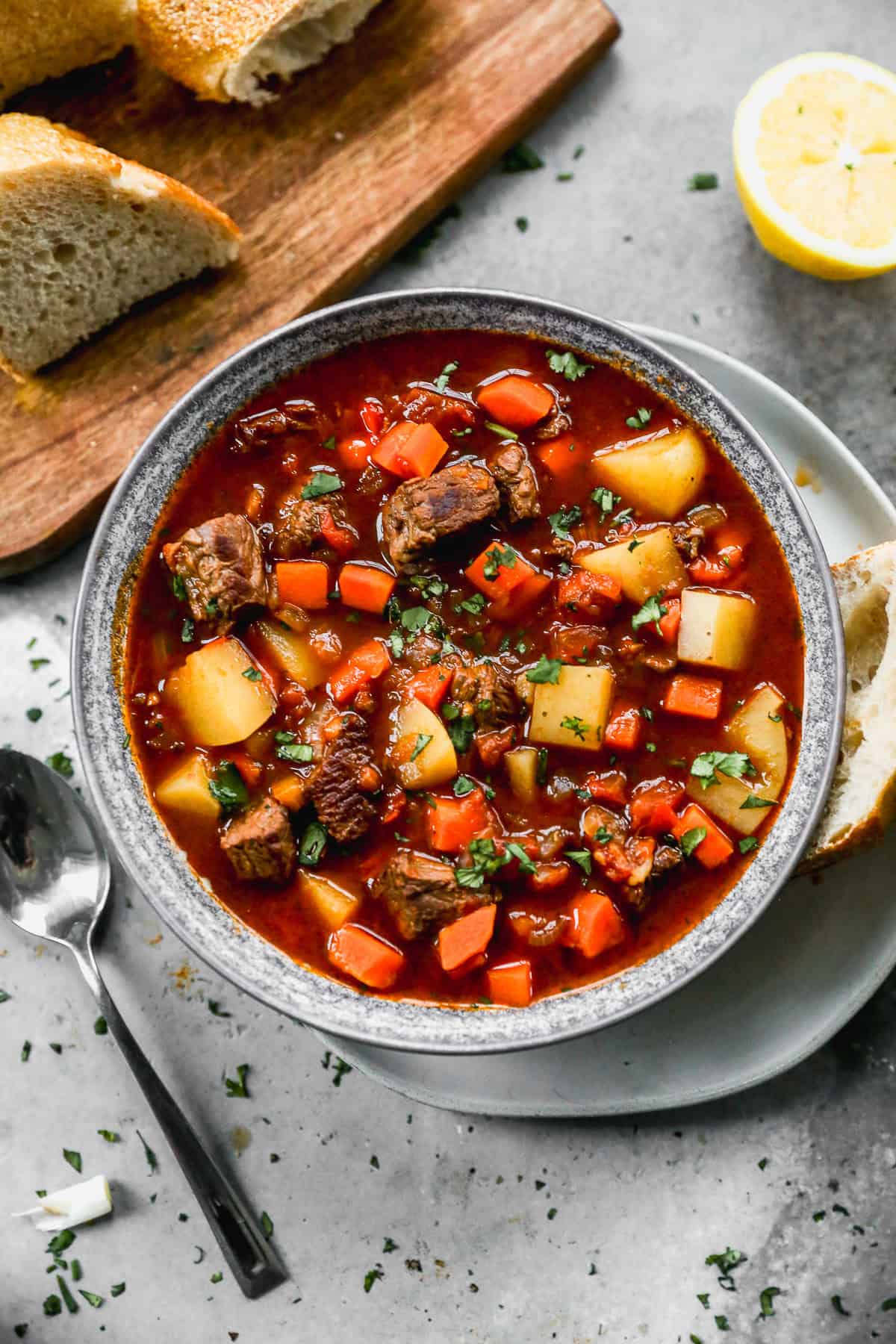
- Goulash spoon—paprika power.
- Sziget August—island beats.
Gallery Highlights
Travel Tips & Warnings
Do’s & Don’ts
- Try chimney cake — a sweet, spinning spiral street treat.
- Enjoy halászlé, the famous fiery fish soup, one ladle at a time.
- Don’t rush when tasting paprika dishes—heat levels vary.
- Avoid excessive horn use or pointing gestures.
- Relax in Budapest’s thermal baths — a local tradition.
Discover Hungary, Your Way
Tailored journeys through turquoise coasts, rich culture, and wild beauty.
Anantara New York Palace
Discover Bhutan bustling capital with its colonial charm, colorful markets, and scenic oceanfront cafes.
Explore TripAria Hotel Budapest
Sail across the Bazaruto Archipelago, enjoy barefoot luxury, and snorkel in coral-filled turquoise lagoons.
Explore TripFour Seasons Hotel Gresham Palace
Relax on golden beaches, dive with whale sharks, and explore the laid-back coastal charm of Inhambane Province.
Explore TripKempinski Hotel Corvinus
Embark on a thrilling safari in Mozambique’s rewilded park — home to lions, elephants, and breathtaking landscapes.
Explore Trip