Basic Information – Morocco 🇲🇦
Geography & Landscape
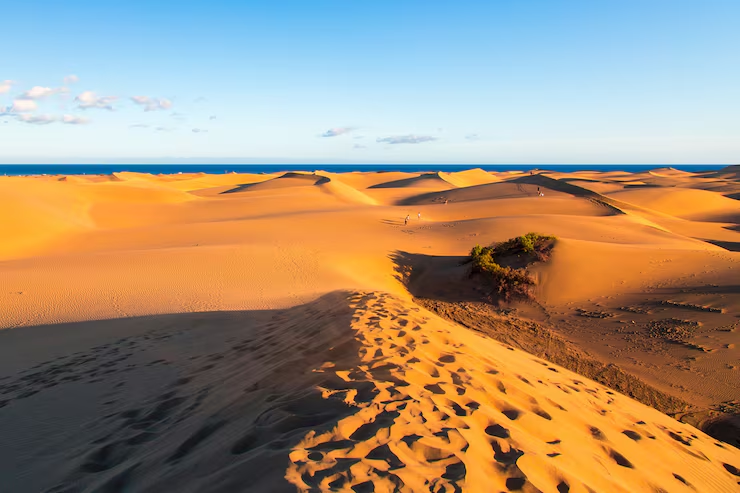
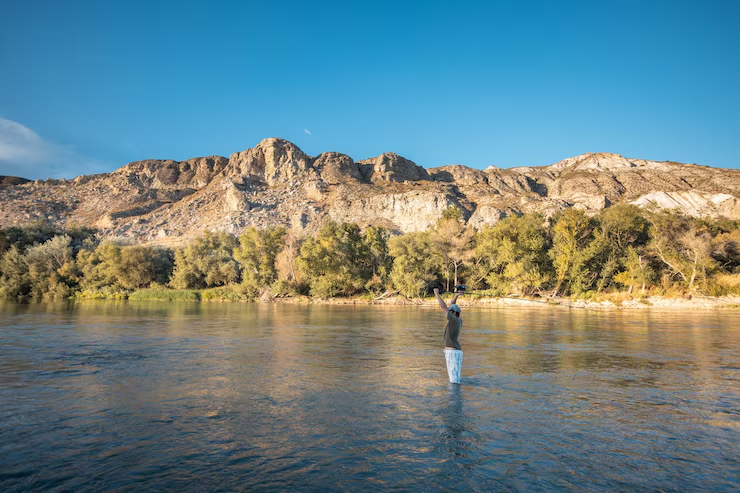
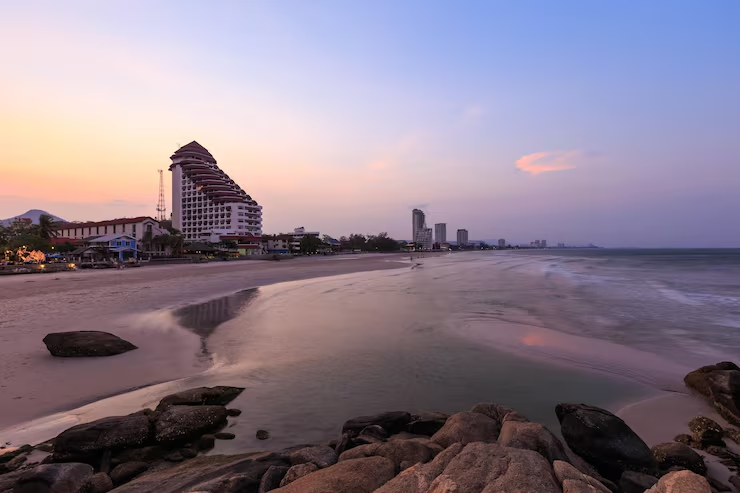
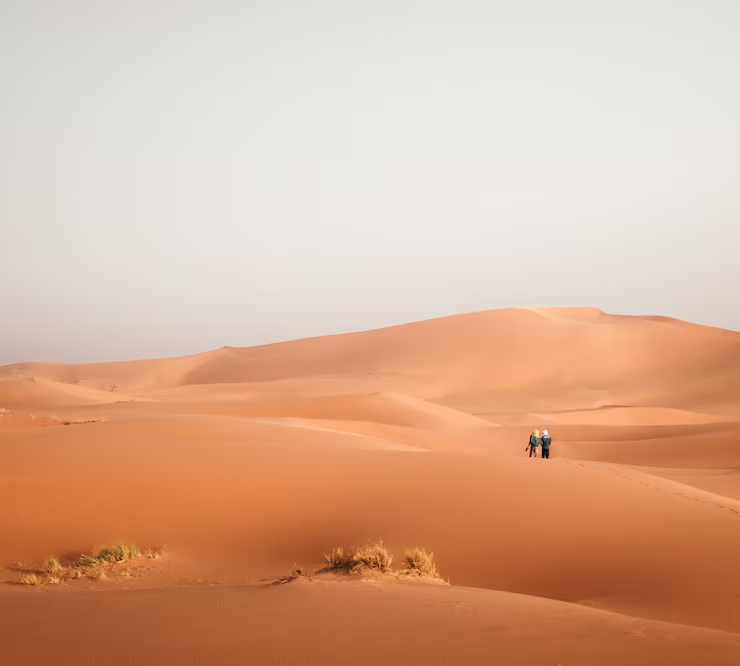
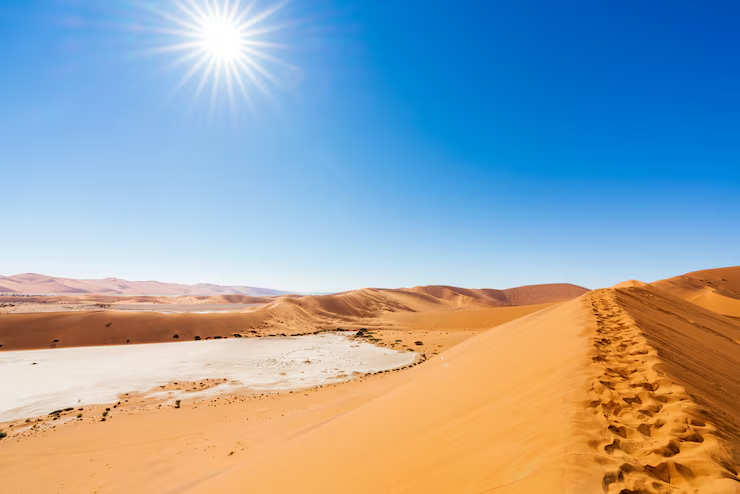
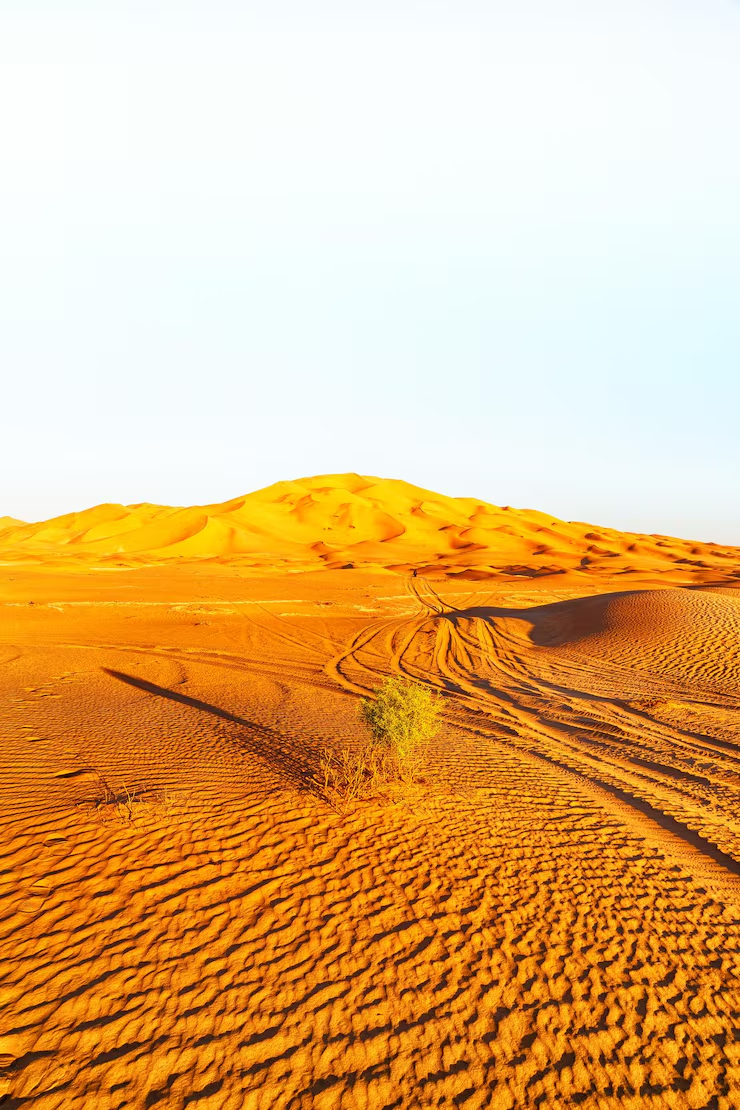
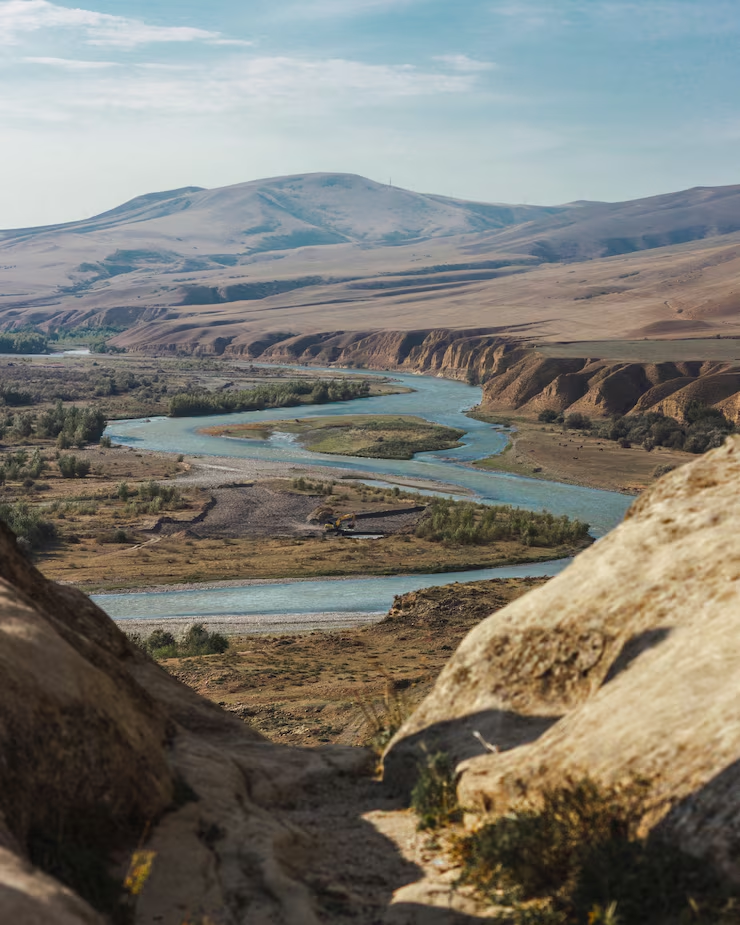
Morocco offers a rich variety of landscapes, from the snow-capped Atlas Mountains and green valleys to the vast Sahara Desert. The country is also known for its long Atlantic and Mediterranean coastlines, palm oases, and historic cities set against dramatic natural backdrops.
Climate
Morocco has a diverse climate: coastal areas are mild, inland regions can be very hot in summer, and mountain areas may experience cold winters.
Hot — 25–45 °C
Mild to Cool — 5–20 °C
Tourism Highlights – Morocco 🇲🇦
Monuments
- Hassan II Mosque, Casablanca – One of the world’s largest mosques, featuring stunning oceanfront architecture.
- Koutoubia Mosque, Marrakech – Iconic minaret and historic landmark of the city.
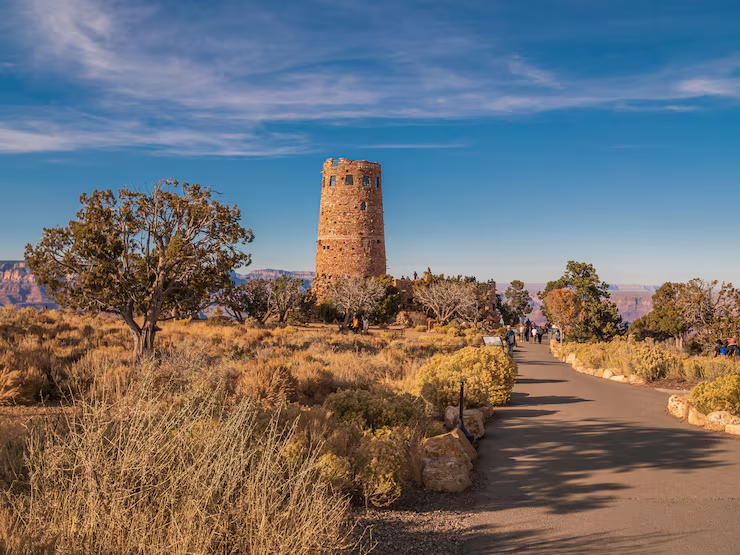
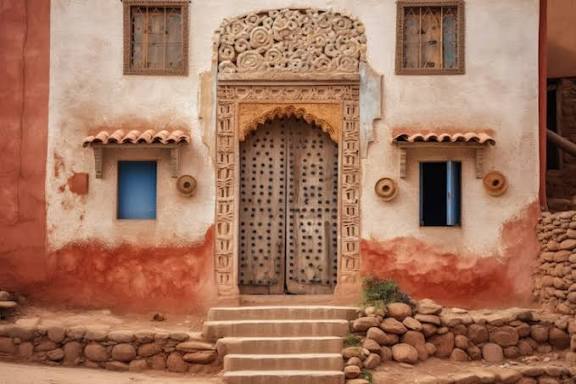
- Aït Benhaddou – UNESCO-listed fortified village famous for its earthen architecture.
Cultural Sites
National Parks & Natural Reserves
Adventures & Activities
- Wander through the vibrant souks and squares of Marrakech.
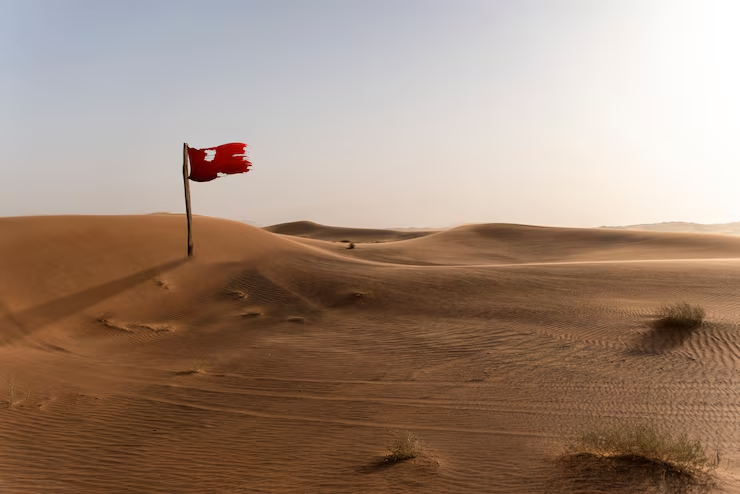
- Ride camels across the Sahara Desert and spend a night in a desert camp.
- Hike in the Atlas Mountains and visit traditional Berber villages.
- Surf and relax along the Atlantic coast near Essaouira and Agadir.
- Explore historic imperial cities like Fez, Meknes, and Rabat.
Local Culture & Lifestyle – Morocco 🇲🇦
Festivals & Events
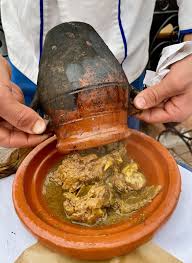
Local Food & Cuisine
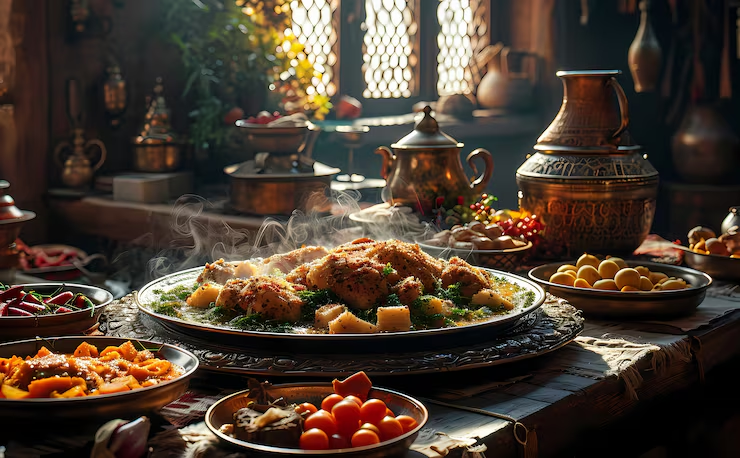
Couscous: Steamed semolina served with vegetables and meat, traditionally enjoyed on Fridays.
Pastilla: Sweet-and-savory pastry filled with spiced meat and almonds.
Harira: Hearty tomato and lentil soup, especially popular during Ramadan.
Mint Tea: Iconic Moroccan drink symbolizing hospitality and social gatherings.
Art & Music
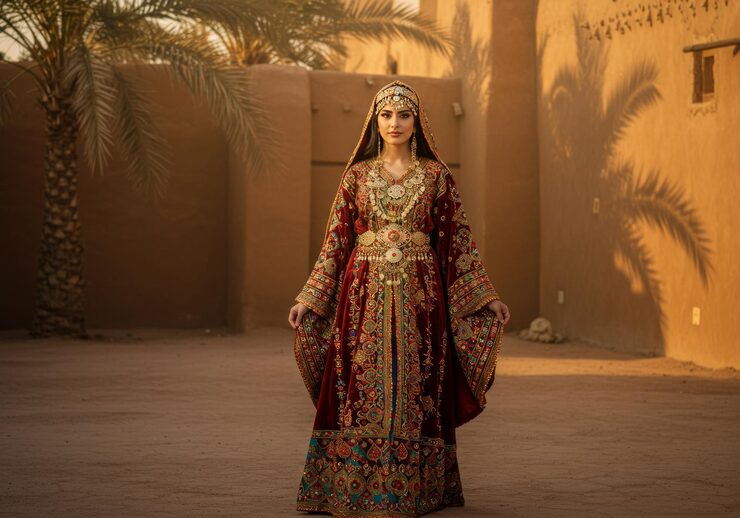
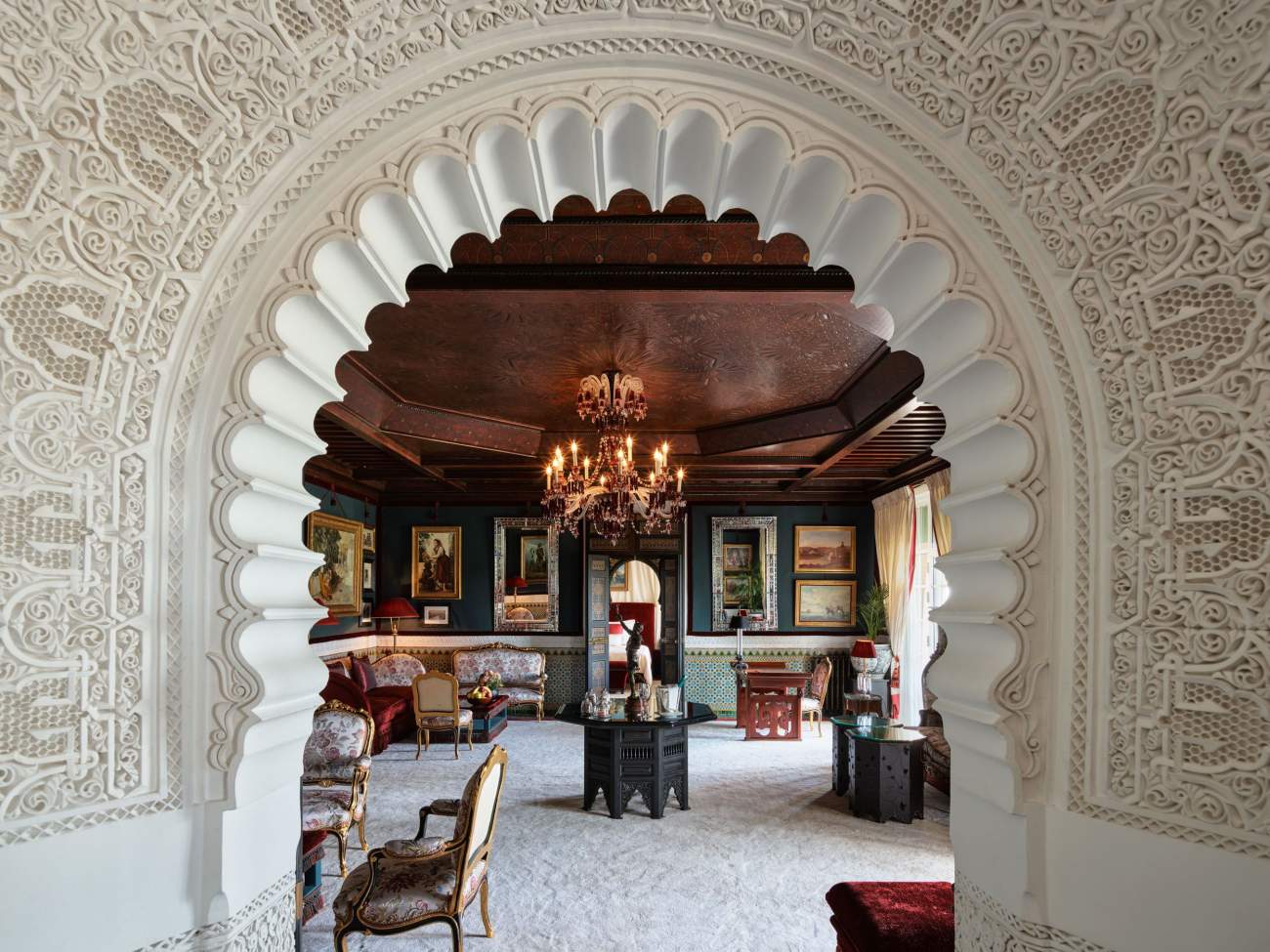
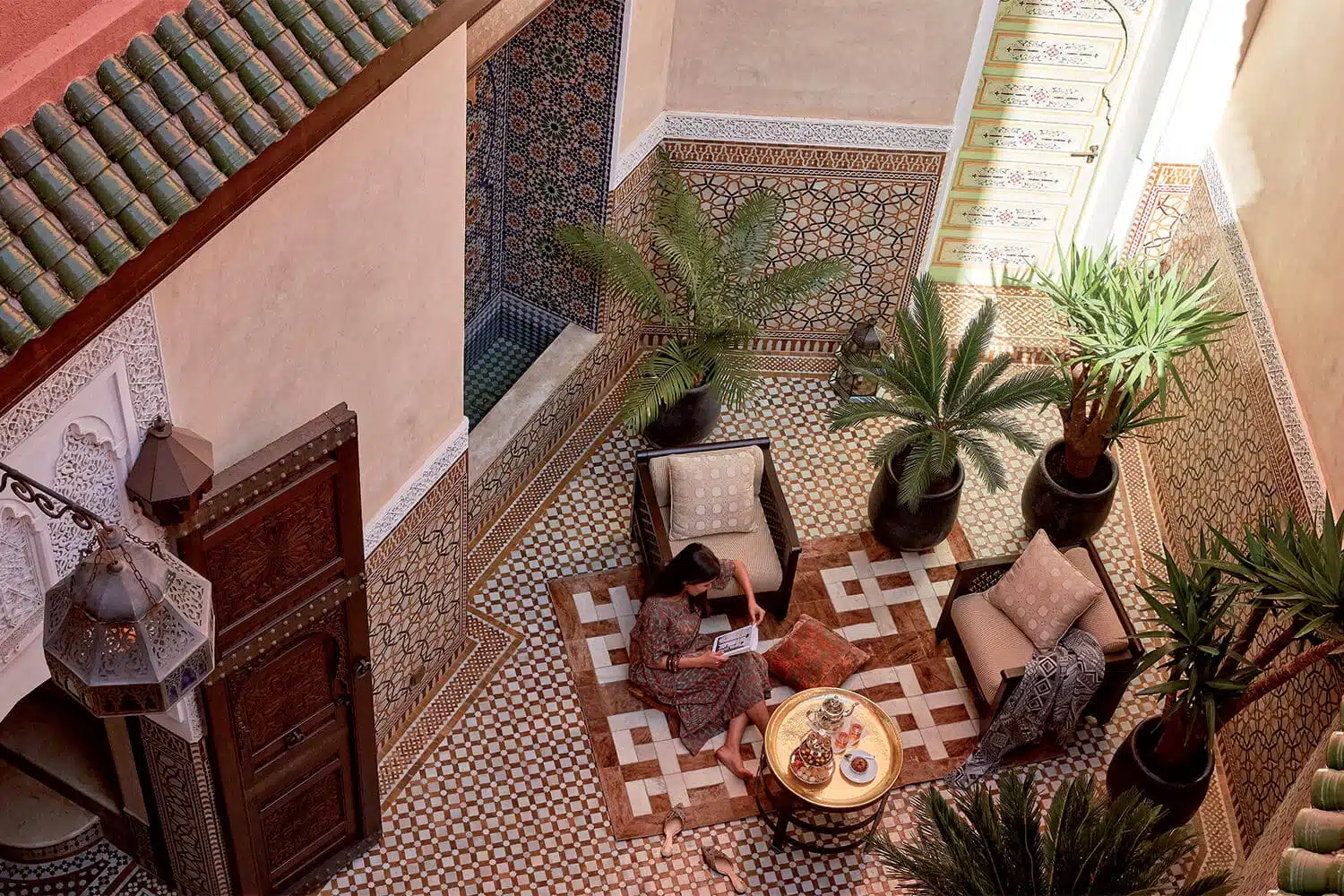
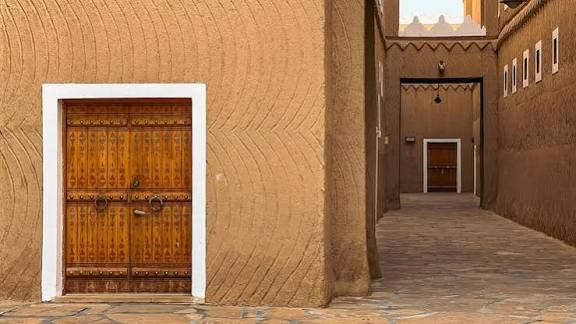
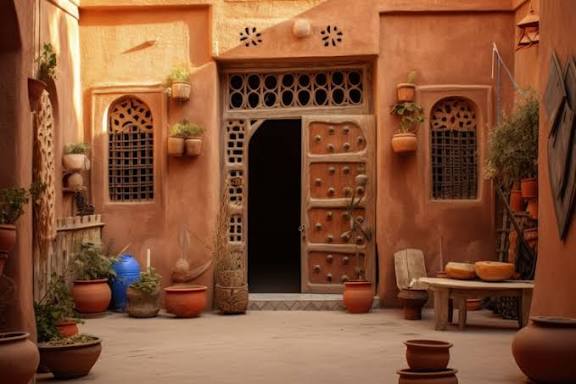
- Intricate zellige tilework, wood carving, and plaster art found in mosques, riads, and palaces.
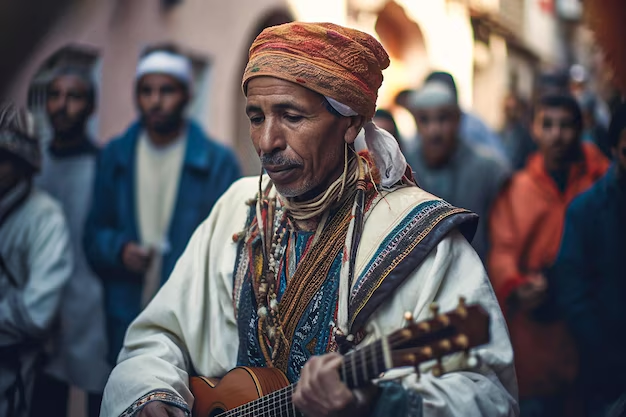
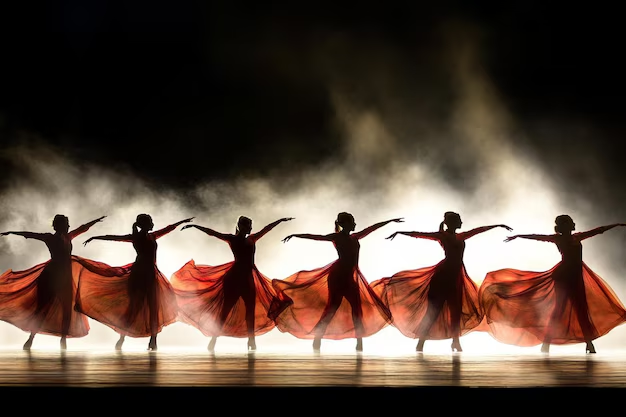
- Traditional music styles such as Gnawa, Andalusian, and Amazigh folk music remain central to Moroccan culture.
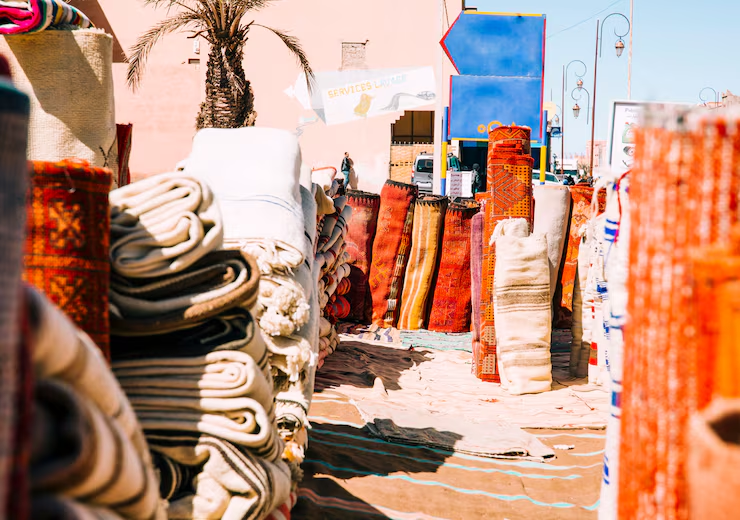
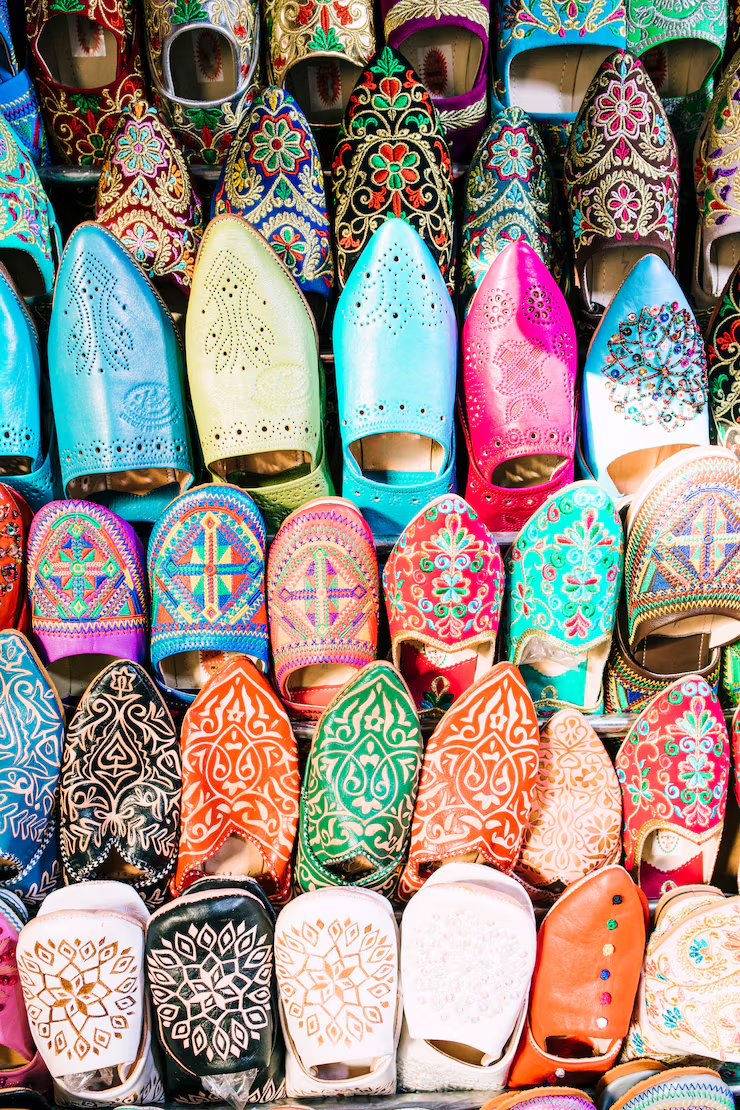
- Handwoven carpets, leather goods, ceramics, and metalwork crafted by skilled artisans across the country.
Local Markets

Travel Essentials - Morocco 🇲🇦
- Visa: Visa-free entry for many countries (up to 90 days). E-visa available for eligible nationalities through the official Moroccan portal.
- Transport: Efficient train network (ONCF) connecting major cities; domestic flights for longer routes; taxis and buses common in towns.
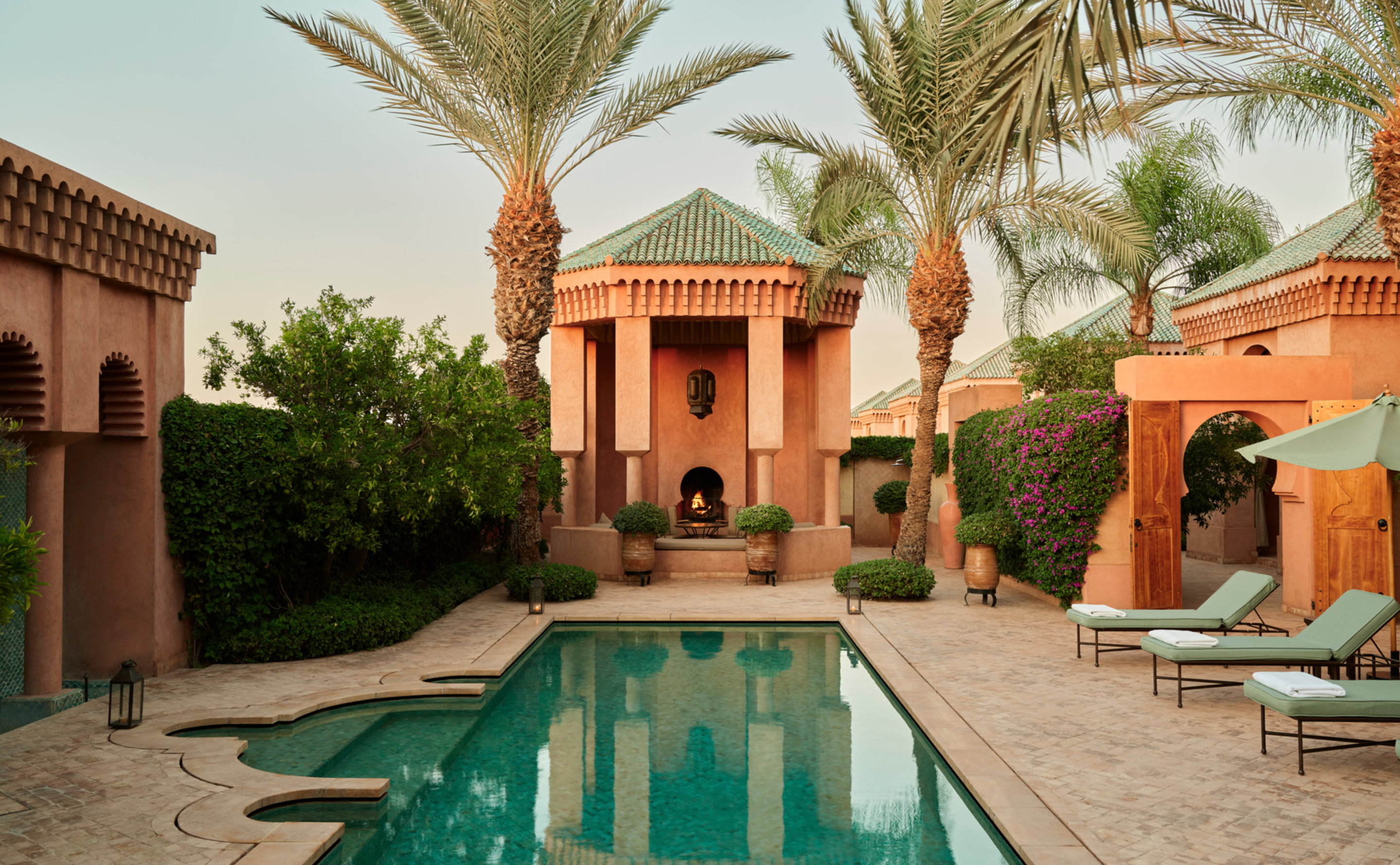
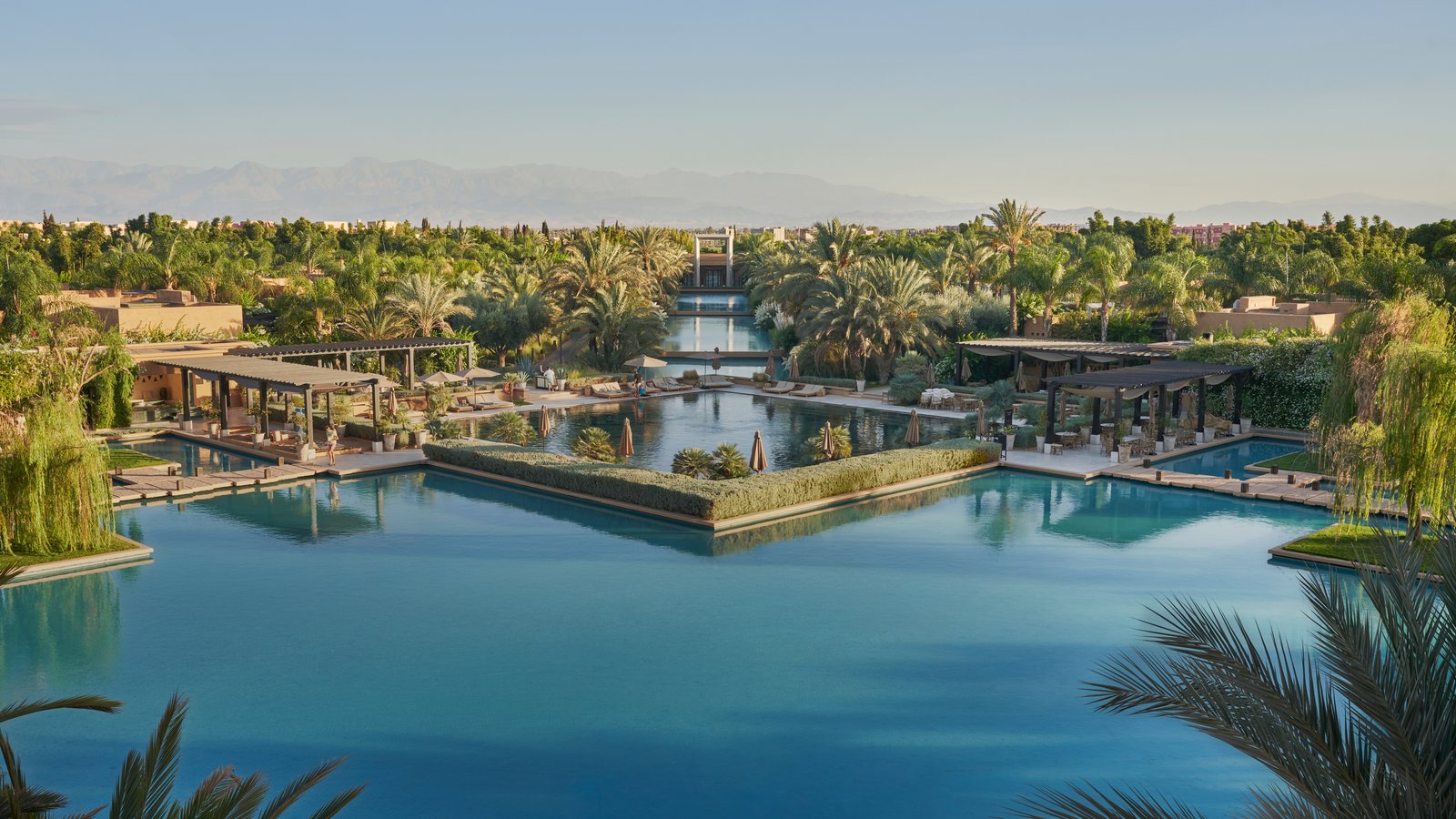
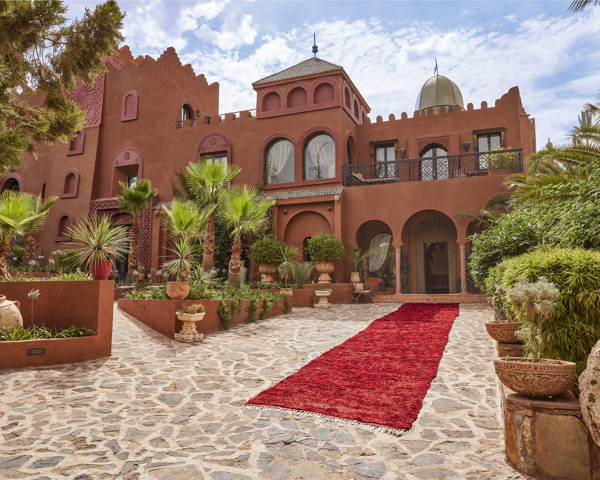
- Accommodation: Stay in traditional riads in Marrakech and Fes, beach resorts in Agadir, or desert camps near Merzouga.
- Budget: $50–90 (budget), $120–200 (mid-range), $250+ (luxury).
- Safety: Generally safe for tourists; petty theft can occur in crowded medinas — remain cautious and avoid unlicensed guides.
Fun Facts & Highlights
- Trivia: Morocco is home to nine UNESCO World Heritage Sites, including Marrakech, Fes, and Volubilis.
- Hidden Gems: Visit the Blue City of Chefchaouen and the Ouzoud Waterfalls for breathtaking views.
- Movies: Famous filming location for Gladiator, Game of Thrones, and The Mummy — especially at Aït Benhaddou.
- Insta Spots: Capture iconic moments in Sahara Desert dunes, Chefchaouen’s blue alleys, and Jemaa el-Fnaa Square in Marrakech.
Quick Guide
A handy guide for travellers highlighting Morocco’s top attractions, local cuisine, accommodations, souvenirs, and useful phrases to help you plan an unforgettable journey.
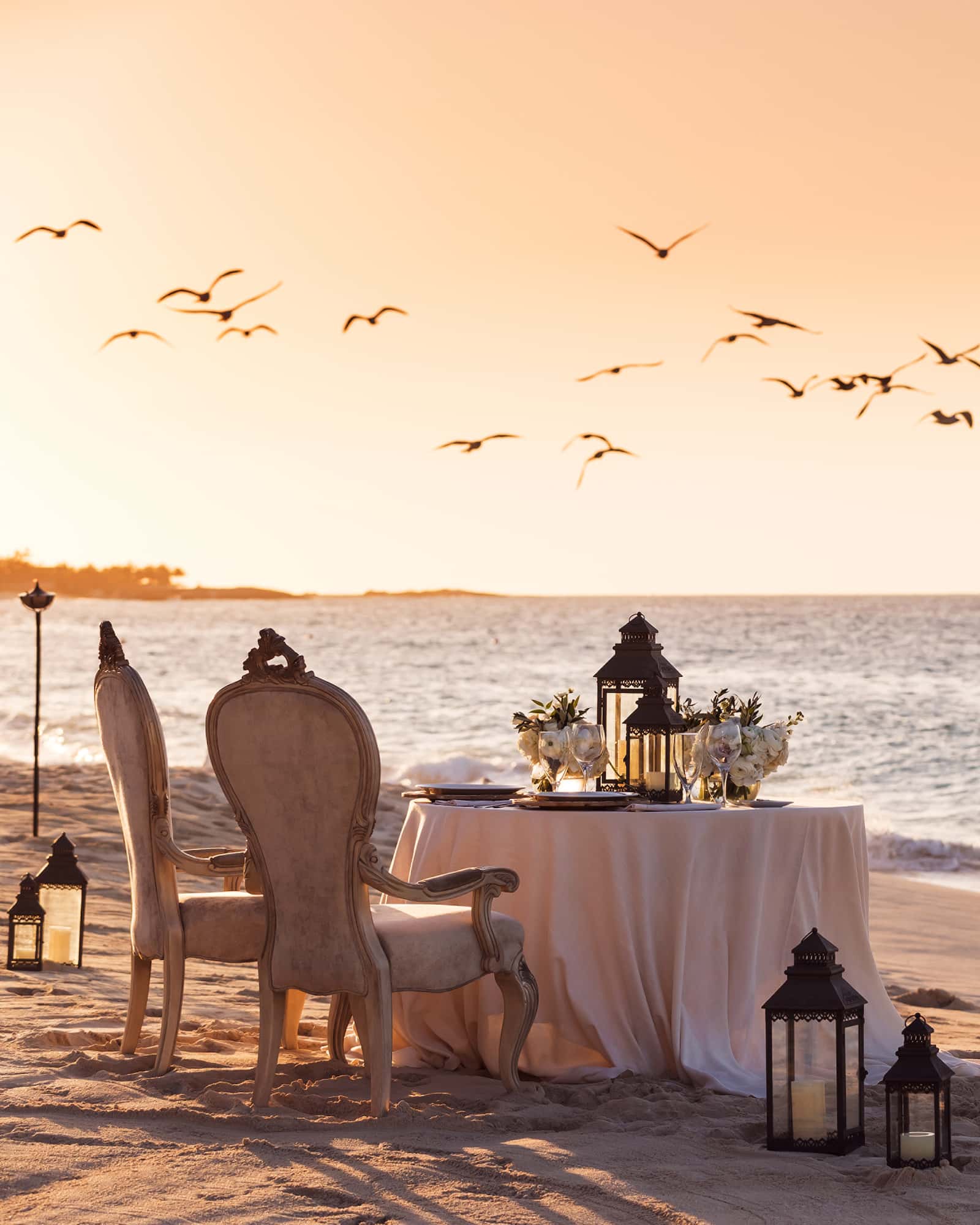
Top Hotels
Top Souvenirs
Argan oil, Moroccan rugs, leather goods, ceramics, brass lanterns, spices, and traditional babouche slippers.
Common Phrases
- Hello: Salam / Salam Alaikum
- Thank You: Shukran
- Please: Afak
Quick Tips
- Dress modestly when visiting mosques and traditional medinas.
- Bargaining is common in souks — negotiate politely and with a smile.
- Hire licensed local guides in historic cities like Fes and Marrakech.
- Stay hydrated and protect yourself from the sun, especially in desert regions.
Gallery Highlights
Travel Tips & Warnings
Do’s & Don’ts
- Dress modestly, especially in rural areas, mosques, and traditional medinas.
- Ask permission before photographing people, especially vendors and locals.
- Don’t display valuables openly or engage with unlicensed guides in busy tourist areas.
- Respect local customs, prayer times, and cultural traditions — politeness goes a long way.
Discover Morocco, Your Way
Imperial cities, Sahara dunes, and timeless North African culture.
Imperial Cities of Morocco
Explore Marrakech, Fes, and Rabat through history-filled medinas.
Explore TripSahara Desert Experience
Camel treks and luxury camps beneath star-filled Saharan skies.
Explore TripAtlas Mountains Escape
Scenic hikes, Berber villages, and dramatic mountain landscapes.
Explore TripEssaouira Coastal Retreat
Atlantic breezes, historic ramparts, and relaxed coastal charm.
Explore Trip