
Discover the Wonders of Mauritius 🇲🇺
Geography & Landscape
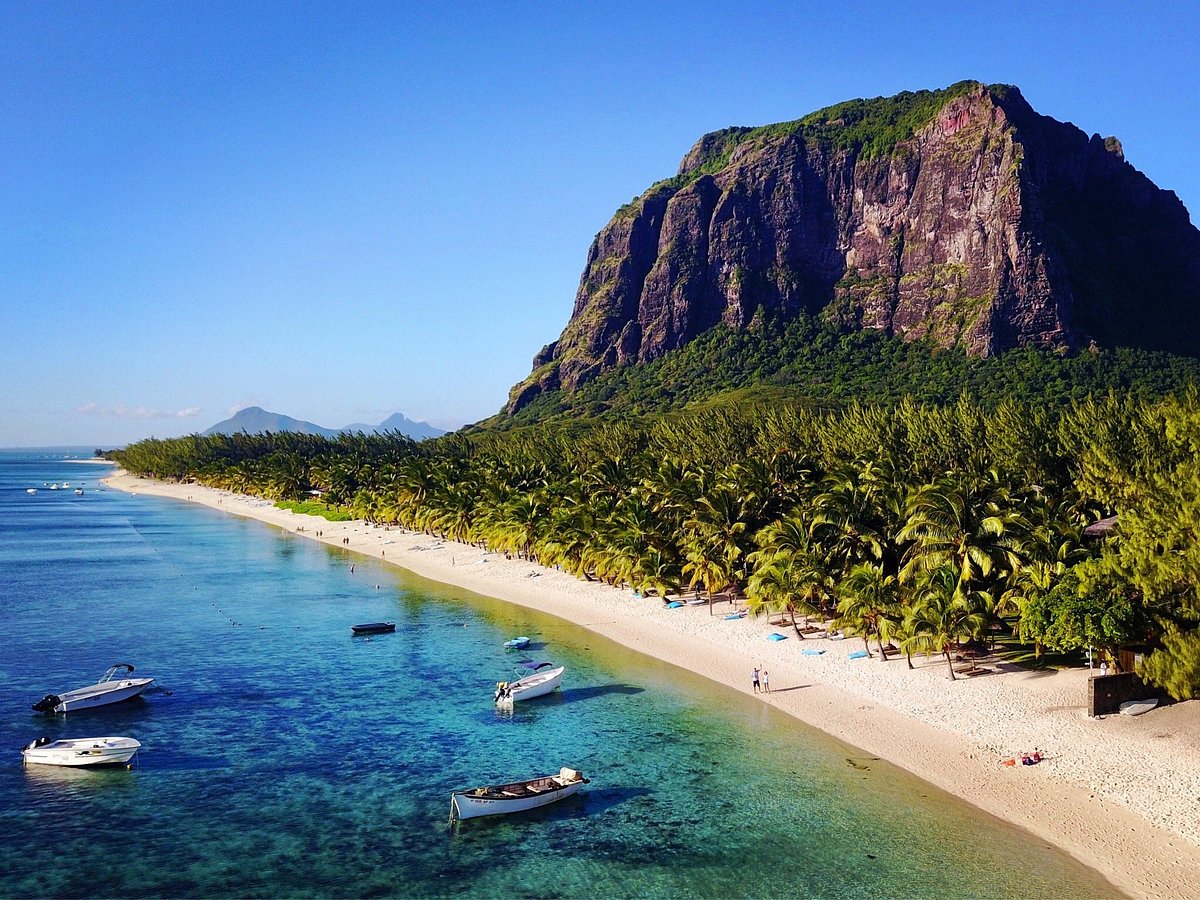
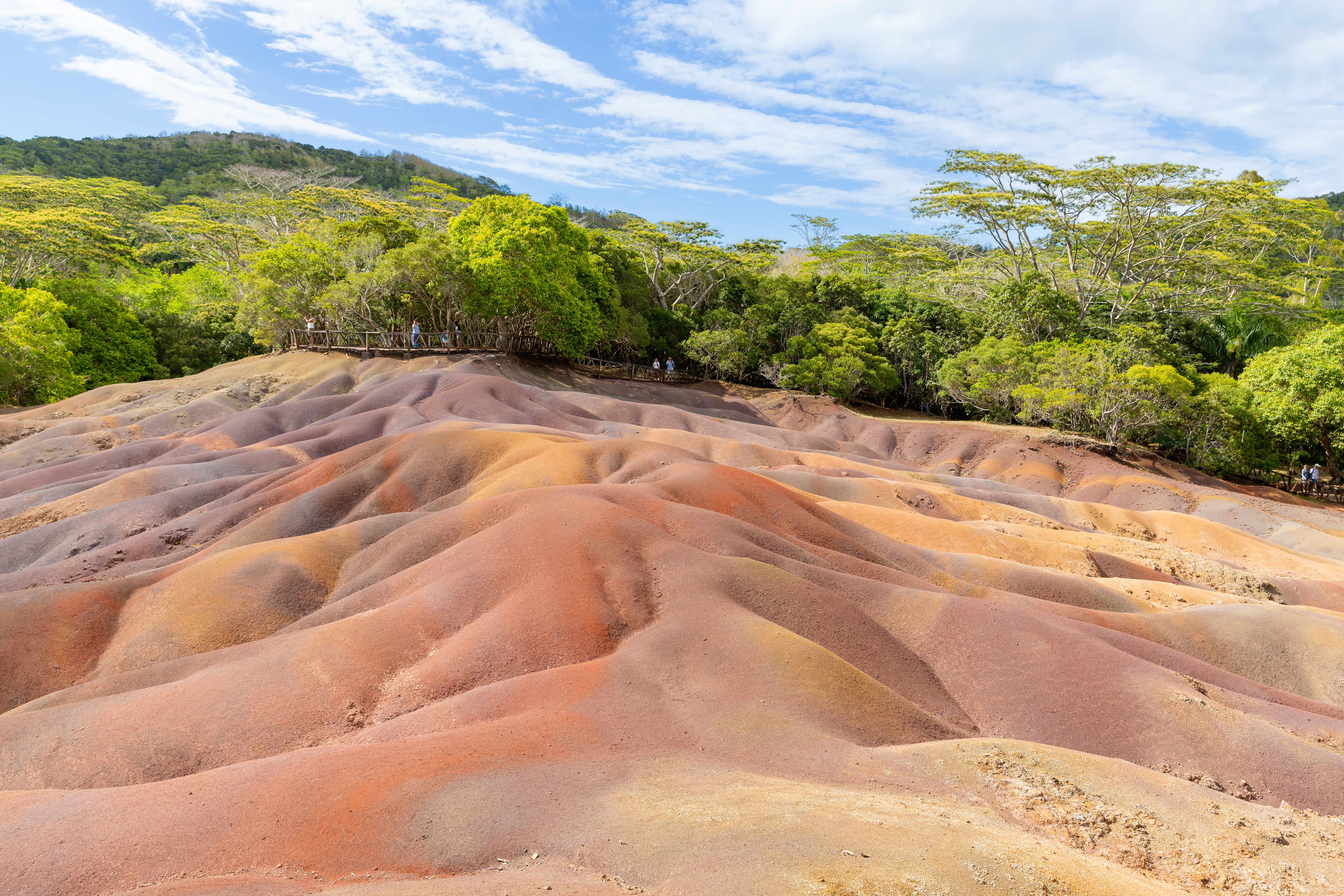
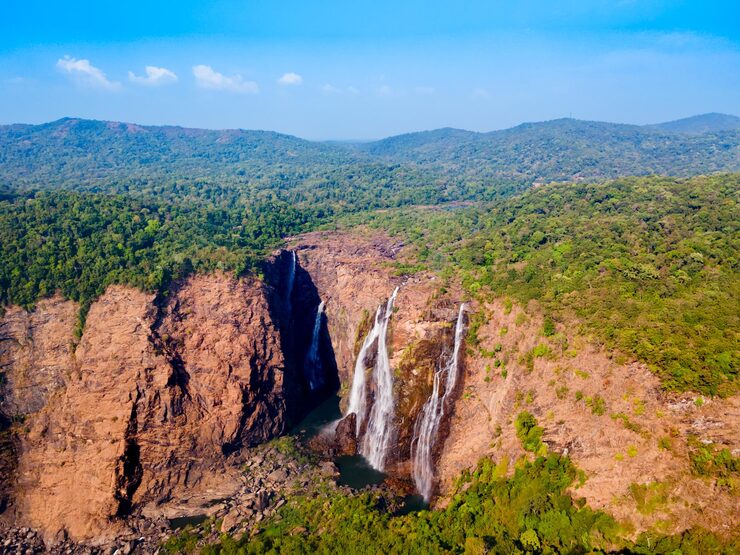
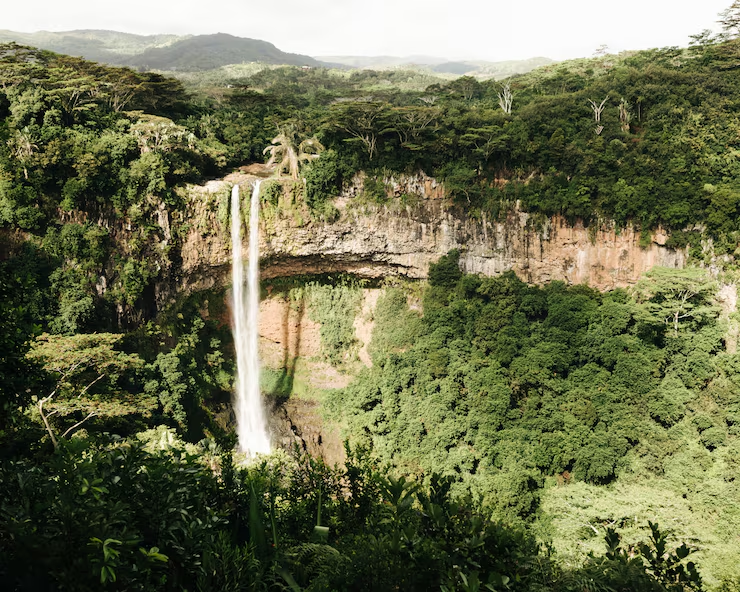
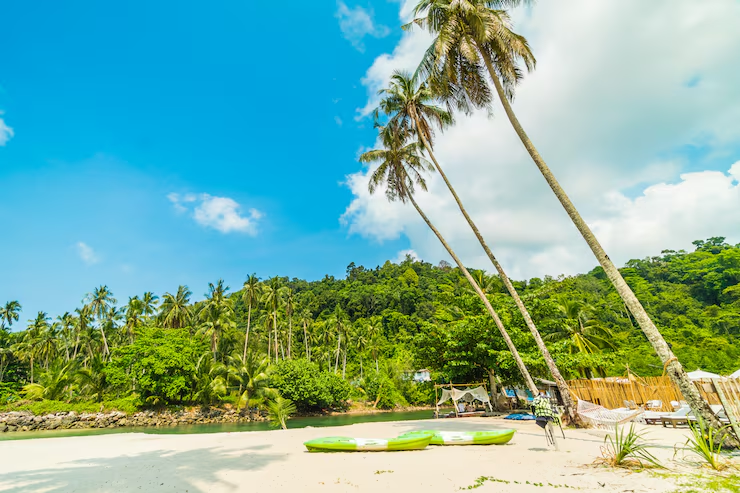
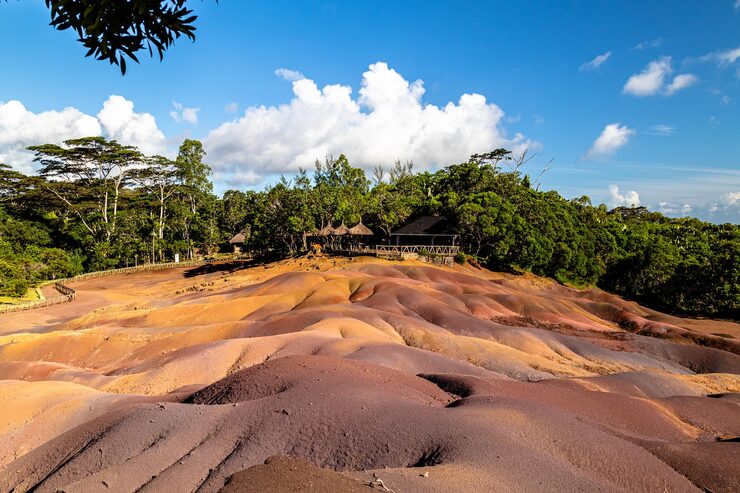
Mauritius is a volcanic jewel in the Indian Ocean, where turquoise lagoons meet emerald peaks and coral-fringed shores. The dramatic rise of Le Morne Brabant towers above historic slave-refuge beaches, while Black River Gorges National Park shelters endemic birds, dense forests, and cascading waterfalls. Chamarel’s multi-colored earth dunes paint the land in natural rainbows, blending Creole coastal charm with French-colonial highlands in an island shaped by time, wind, and waves.
Climate
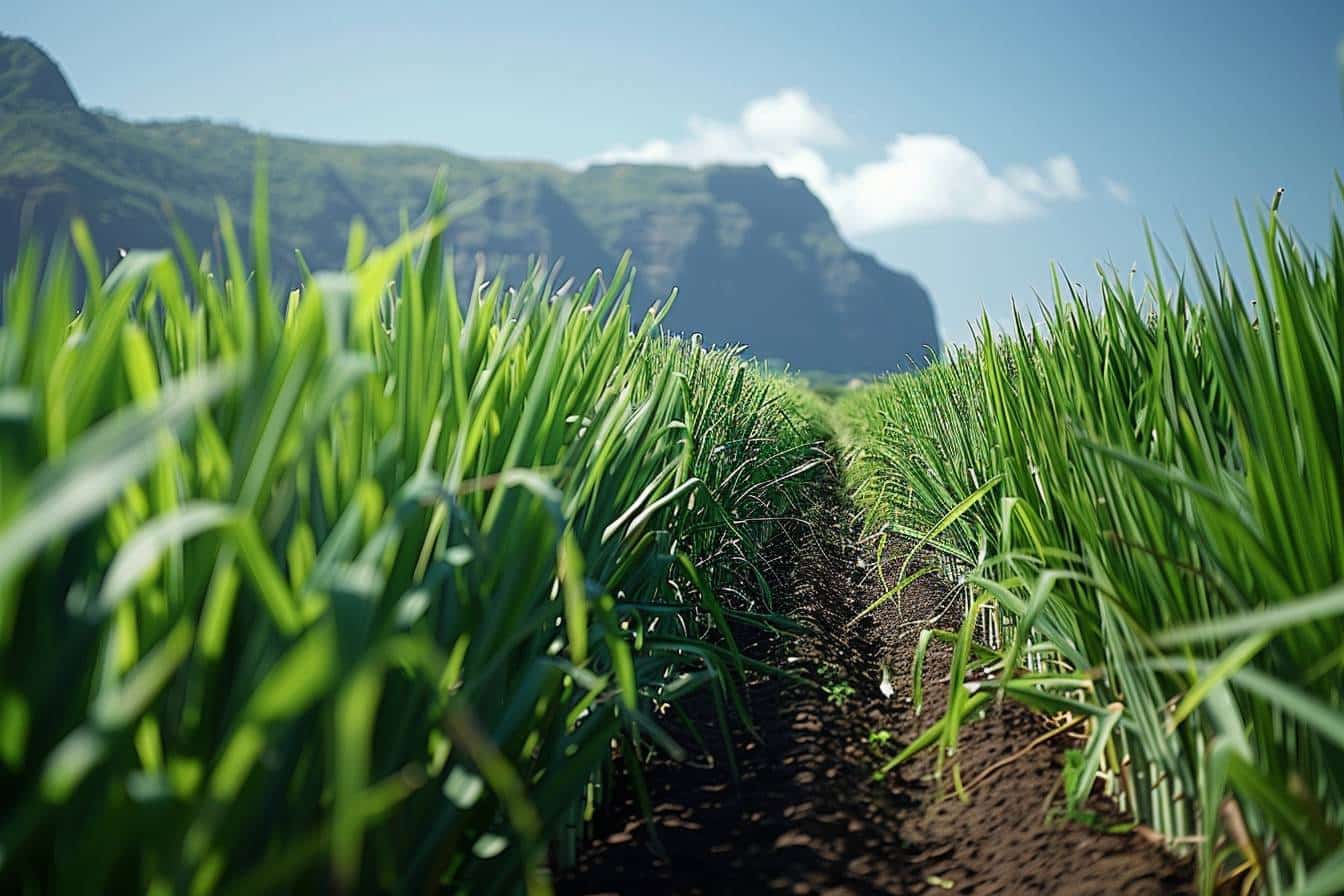
Mauritius enjoys a tropical maritime climate moderated by trade winds. Dry winters create perfect hiking and sightseeing conditions, while warmer summers bring lush greenery to sugarcane fields. Cyclone season between January and March occasionally adds dramatic rainfall to the island’s otherwise gentle rhythm.
Pleasant & Breezy — 20–26°C
Warm & Humid — 25–30°C
Tourism Highlights
Monuments
- Aapravasi Ghat – UNESCO-listed immigration depot marking the birthplace of modern indentured labor history
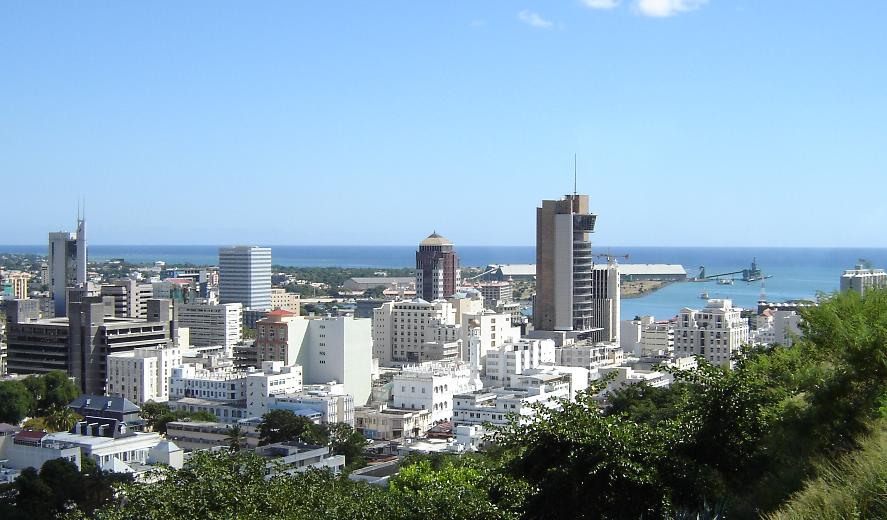
- Port Louis Citadel (Fort Adelaide) – Hilltop colonial fortress with sweeping views over the harbor and capital
- Grand Bassin (Ganga Talao) – Sacred volcanic lake with towering Shiva statue in Mauritius’ central highlands
Cultural Sites
National Parks & Natural Reserves
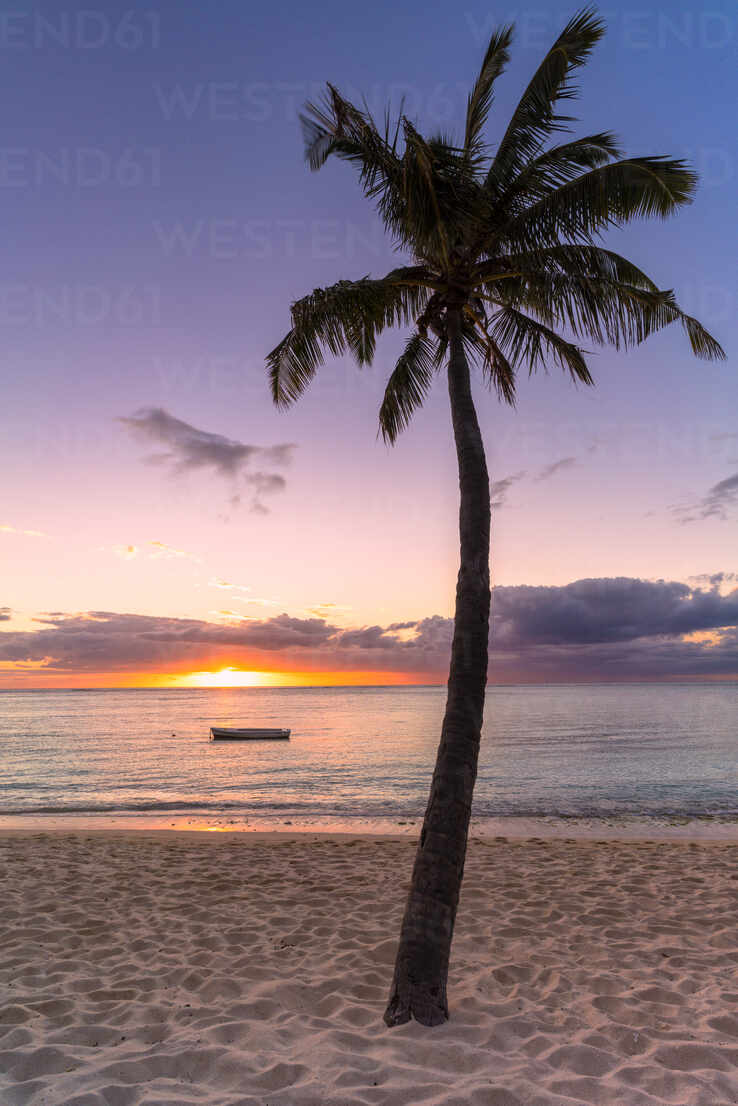
Adventures & Activities
- Scuba diving among coral gardens in Blue Bay Marine Park
- Hiking Le Morne Brabant with panoramic lagoon and kitesurf views
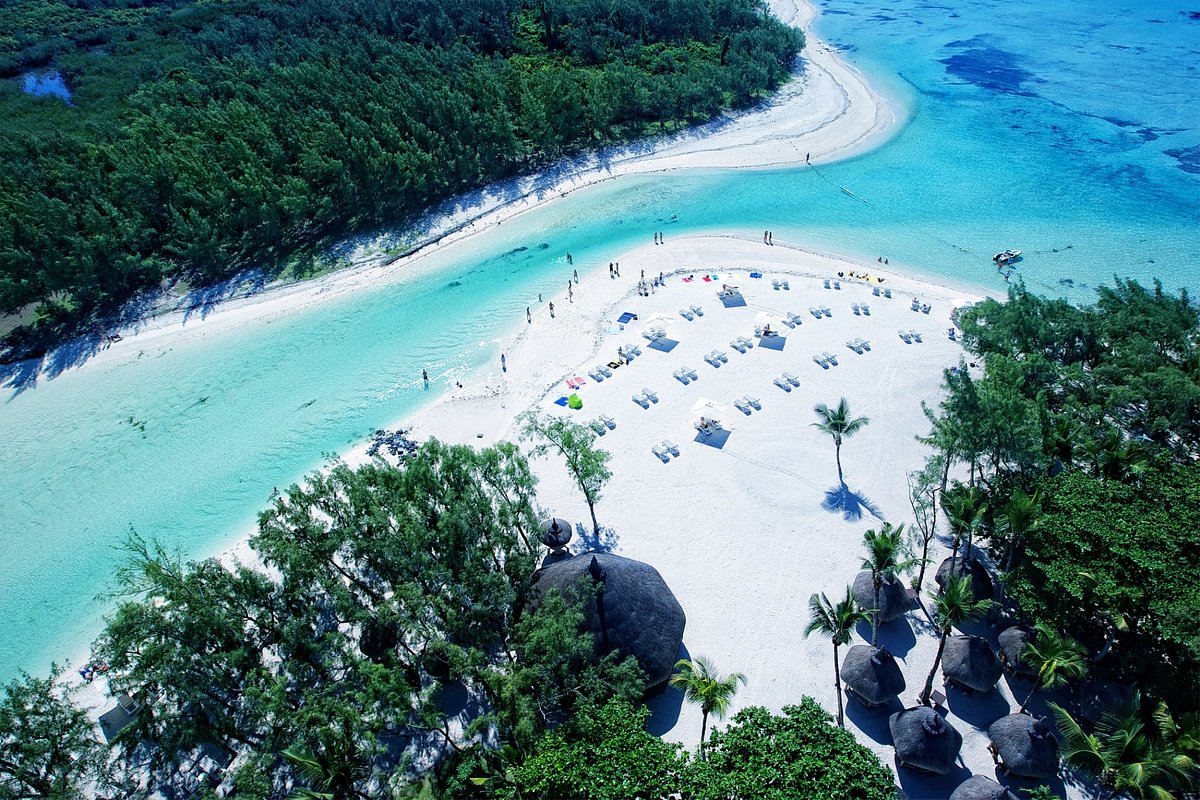
- Catamaran cruises to Île aux Cerfs with snorkeling and sandbank stops
- Zip-lining above Casela’s open savanna landscapes
- Rum tasting tours at Chamarel’s traditional rhum agricole distillery
- Snorkeling calm reef lagoons along Belle Mare’s eastern coast
Local Culture & Lifestyle – Mauritius 🇲🇺
Festivals & Events
Local Food & Cuisine
Rougaille: Tomato-onion Creole stew cooked with fish, chicken, or sausages.
Vindaye: Tangy mustard-based pickled fish, served cold.
Gateaux Piments: Deep-fried chili split-pea fritters, a beloved street snack.
Briani: Aromatic spiced rice layered with chicken or goat, inspired by Mughal cuisine.
Art & Music
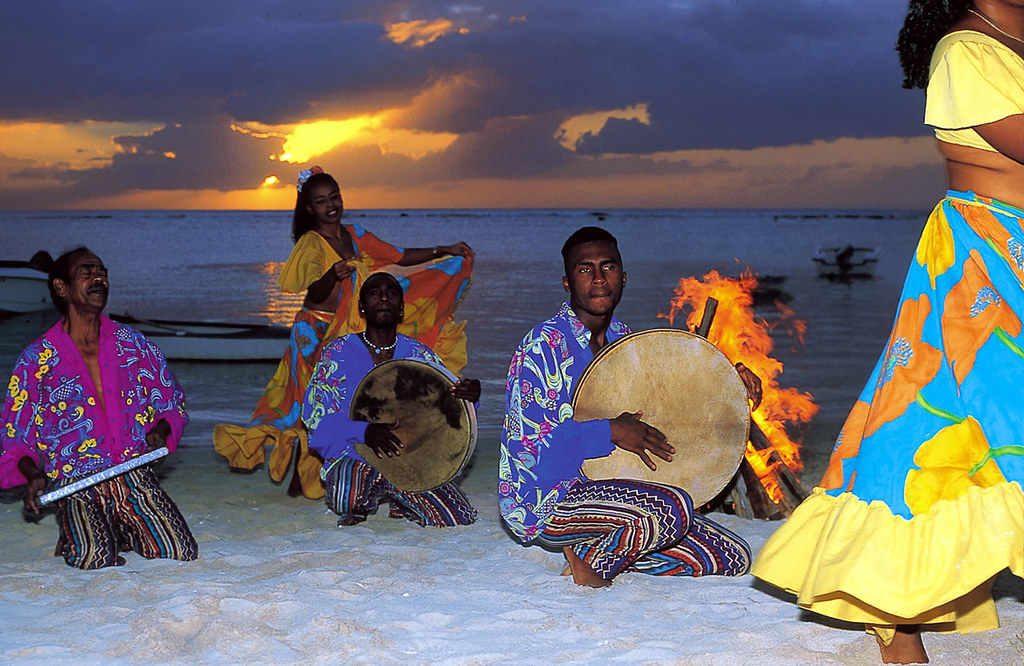
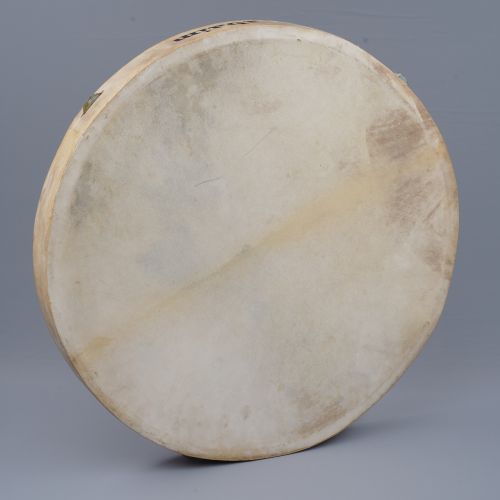
- Sega music — rhythmic ravanne drum, accordion, and call-and-response songs rooted in slave heritage.
- Sega Tipik — traditional barefoot dance performed around beach fires and village gatherings.
- Creole poetry and oral storytelling in Morisyen dialect.
- Local crafts include lacquered boxes, coral carvings, and hand-painted island art.
Local Markets

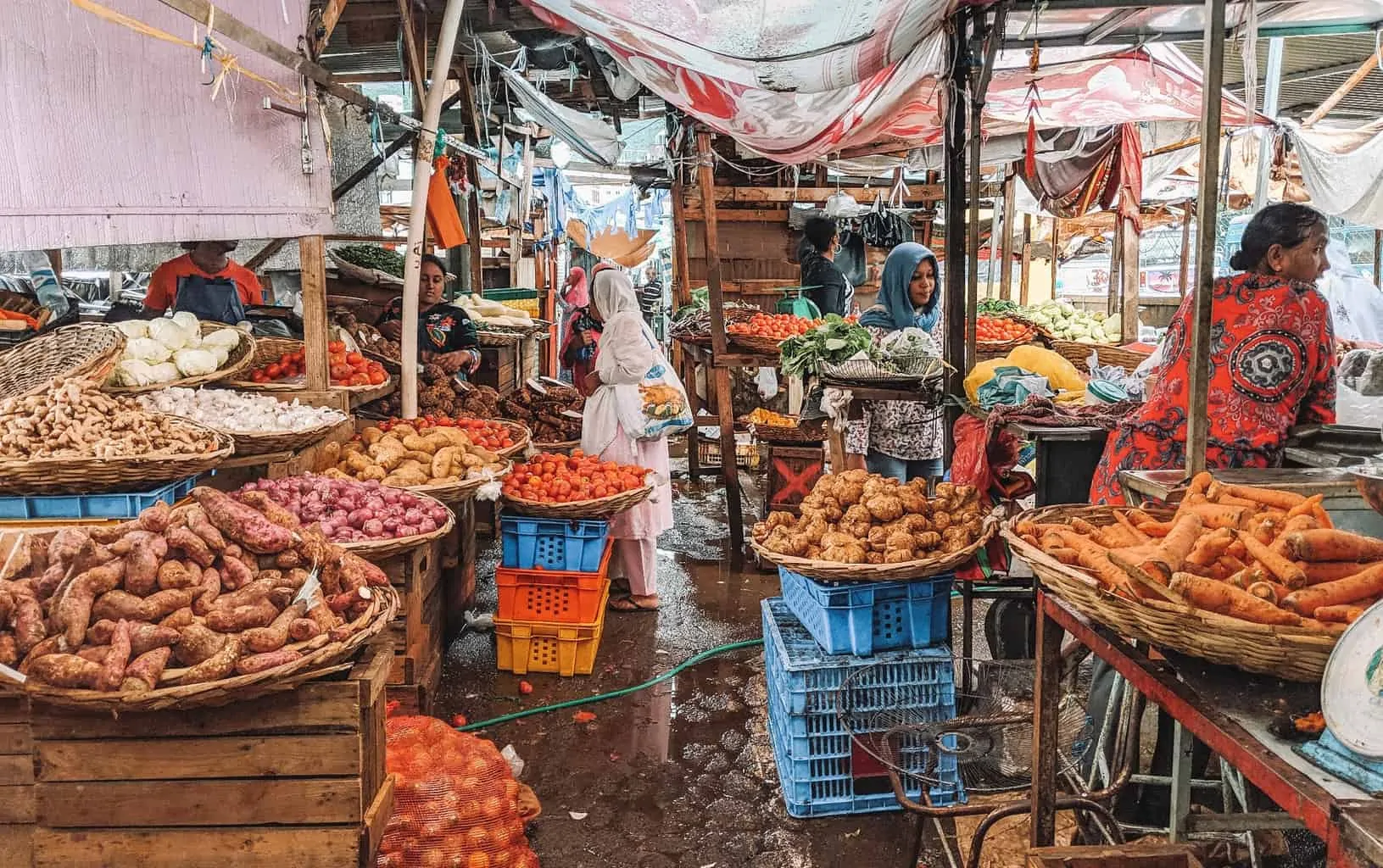

Travel Essentials – Mauritius 🇲🇺
- Visa: Visa-free or visa on arrival for most nationalities for 60–90 days. EU and US travelers receive free entry, with extensions available through local immigration offices.
- Transport: Well-connected public bus network using MyBus cards, licensed taxis, rental cars, and ride-hailing apps like Yugo. Catamarans and speedboats operate to nearby islands, including Rodrigues.
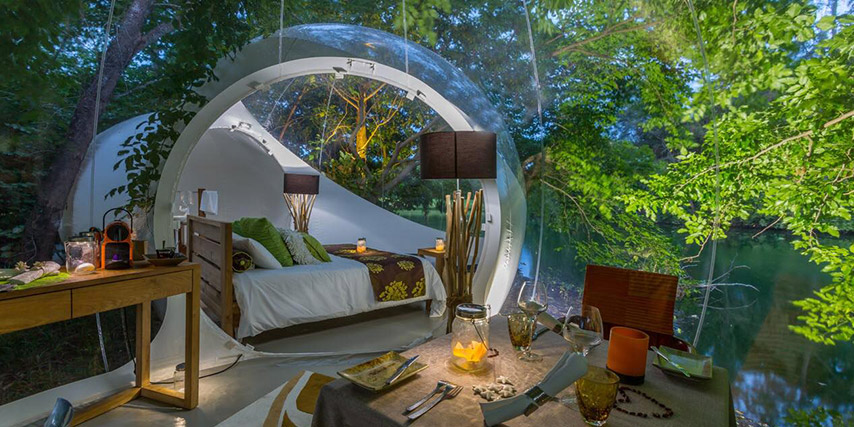
- Accommodation: Options range from luxury beachfront resorts such as Lux Belle Mare, mid-range Veranda hotels, to budget-friendly Creole guesthouses and mountain eco-lodges.
- Budget: $60–120 (budget travelers using buses and street Creole food), $120–250 (mid-range hotels and activities), $300+ (private villas and luxury resorts).
- Safety: One of Africa’s safest destinations. Petty theft may occur in busy markets; wear reef shoes, respect ocean currents, and avoid solo night swimming. Cyclone awareness is advised between January and March.
Fun Facts & Highlights
- Trivia: Mauritius was the only home of the flightless dodo bird and is among the youngest African republics (independence in 1968). The island is surrounded by one of the world’s largest coral reef systems, protecting over 300 km of coastline.
- Hidden Gems: Discover sacred ebony forests near Filao, pirate-era legends in Grand Port, and shimmering salt pans at the Black River Salt Museum.
- Movies: Mauritius’ isolated beauty features in films like Swept Away (2002), showcasing Indian Ocean castaway vibes and cinematic tropical backdrops.
- Insta Spots: Colorful kites soaring above Le Morne lagoons, psychedelic rainbow sands of Chamarel, and pink-hued macaws hidden in the Black River Gorges canopy.
Quick Guide
A handy guide for travelers highlighting key essentials such as local etiquette, accommodation, souvenirs, and useful phrases — helping you plan efficiently and immerse yourself in Mauritius’ vibrant Creole fusion and volcanic poetry.
Top Hotels
.avif)

.avif)
.avif)
.avif)
Top Souvenirs
Dodo plush toys, vanilla pods, artisanal rum, handwoven baskets, and traditional sega music CDs.
Common Phrases
- Hello: Bonzour
- Thank You: Mersi
- Please: S'il vous plaît
Quick Tips
- Renting a car gives flexibility; driving is on the left.
- Sega dance nights are lively and often free at resorts.
- Cyclone season? Indoor markets and museums stay cozy.
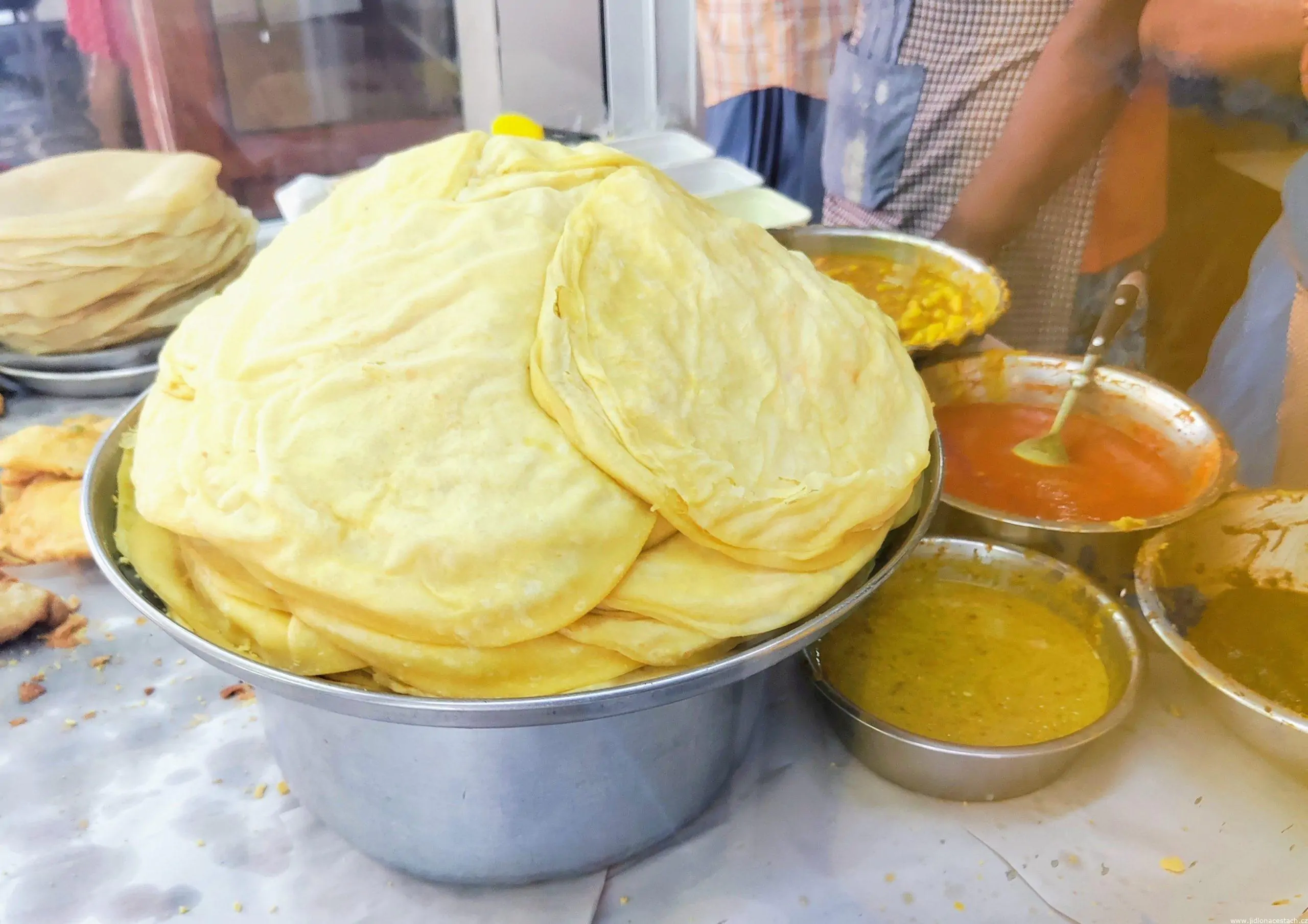
- Dholl puri street stalls serve the island’s soul food.
Gallery Highlights
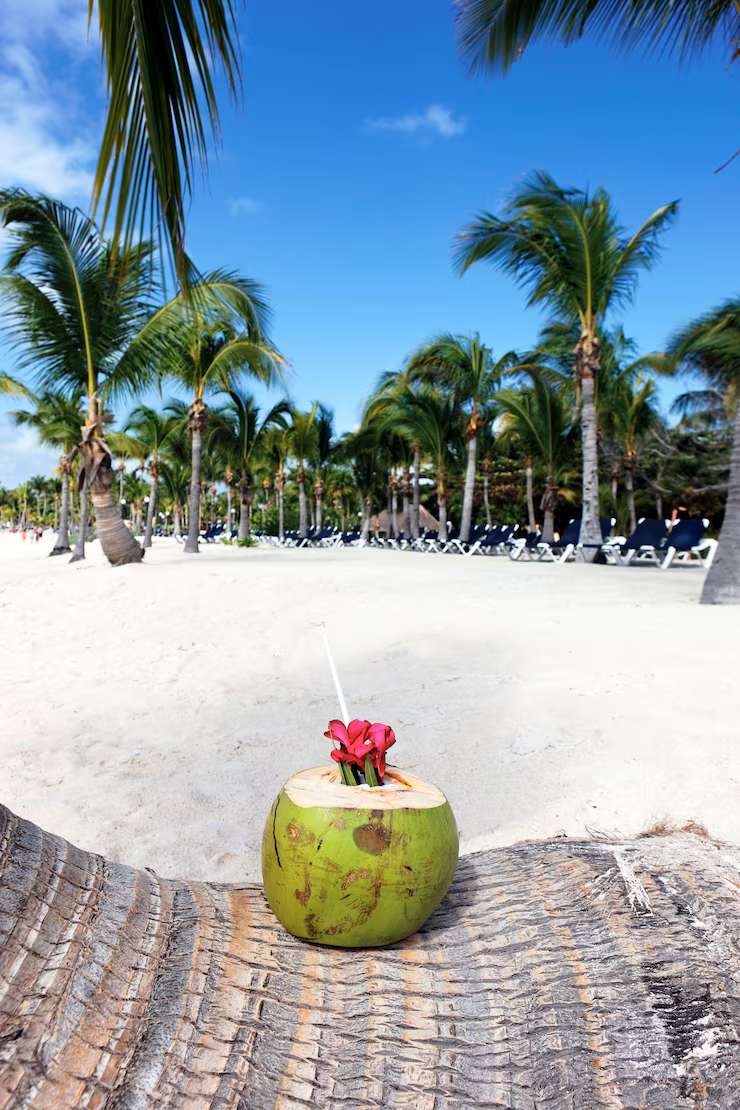
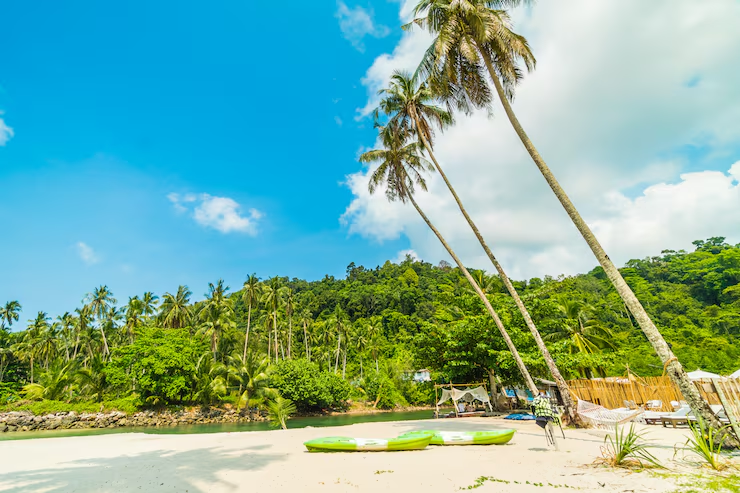
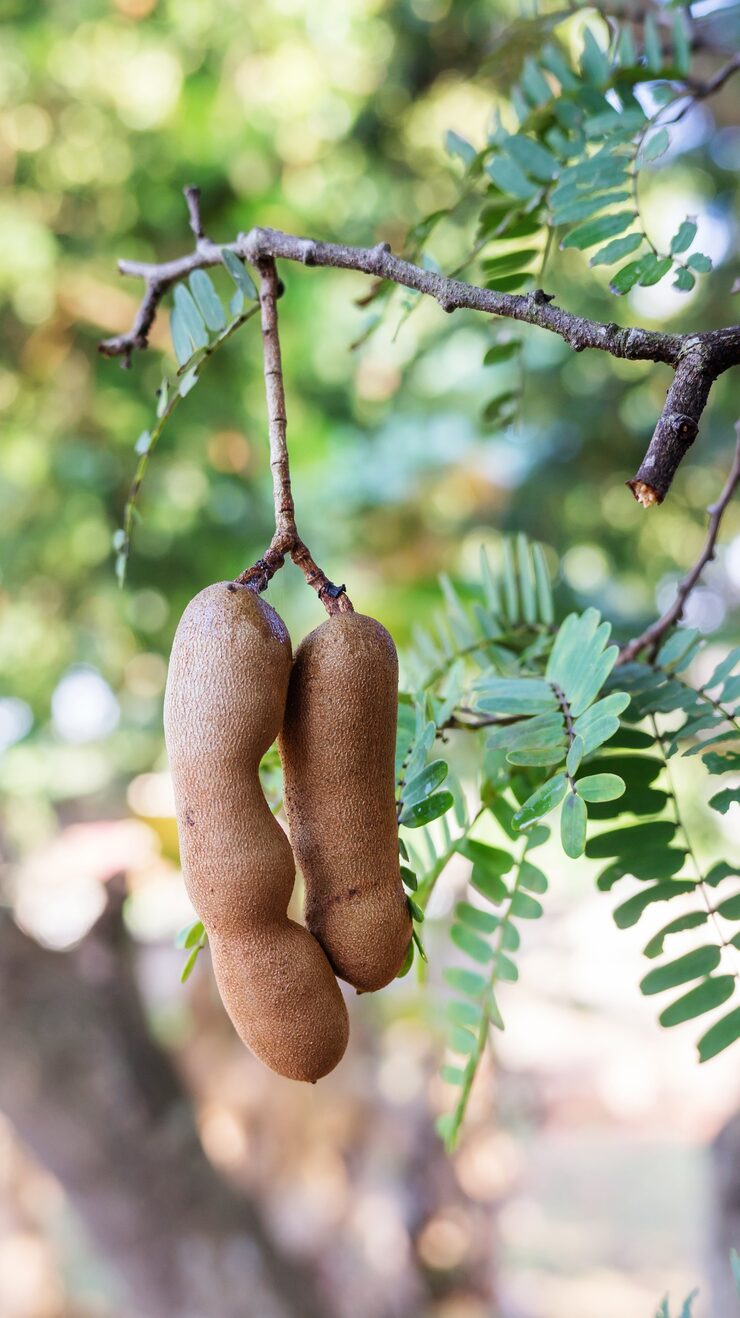
Travel Tips & Warnings
Do’s & Don’ts
- Greet with your right hand — respectful gestures matter in Mauritian culture.
- Try rougaille — a spicy Creole comfort dish loved across the island.
- No topless sunbathing on public beaches — it’s culturally inappropriate.
- Don’t feed monkeys — it disrupts wildlife and can be unsafe.
- Love the rhythm of Sega dances — where bare feet tell island stories.
Discover Mauritius, Your Way
Tailored tropical escapes through Mauritius’s beaches, islands, and lush mountain landscapes.
Grand Baie Escape
Enjoy water sports, island cruises, and vibrant nightlife in Mauritius’s most popular coastal resort.
Explore TripChamarel & Nature Wonders
Discover the Seven Coloured Earth, waterfalls, and rainforest hikes in the heart of Mauritius’s wild beauty.
Explore TripLe Morne Heritage Experience
Stay at luxury beachfront resorts beneath Le Morne Brabant, a UNESCO World Heritage site of natural beauty.
Explore TripÎle aux Cerfs Island Retreat
Sail to a private island paradise for snorkeling, sunbathing, and fine dining on turquoise waters.
Explore Trip