
Discover the Wonders of Israel 🇮🇱
Geography & Landscape
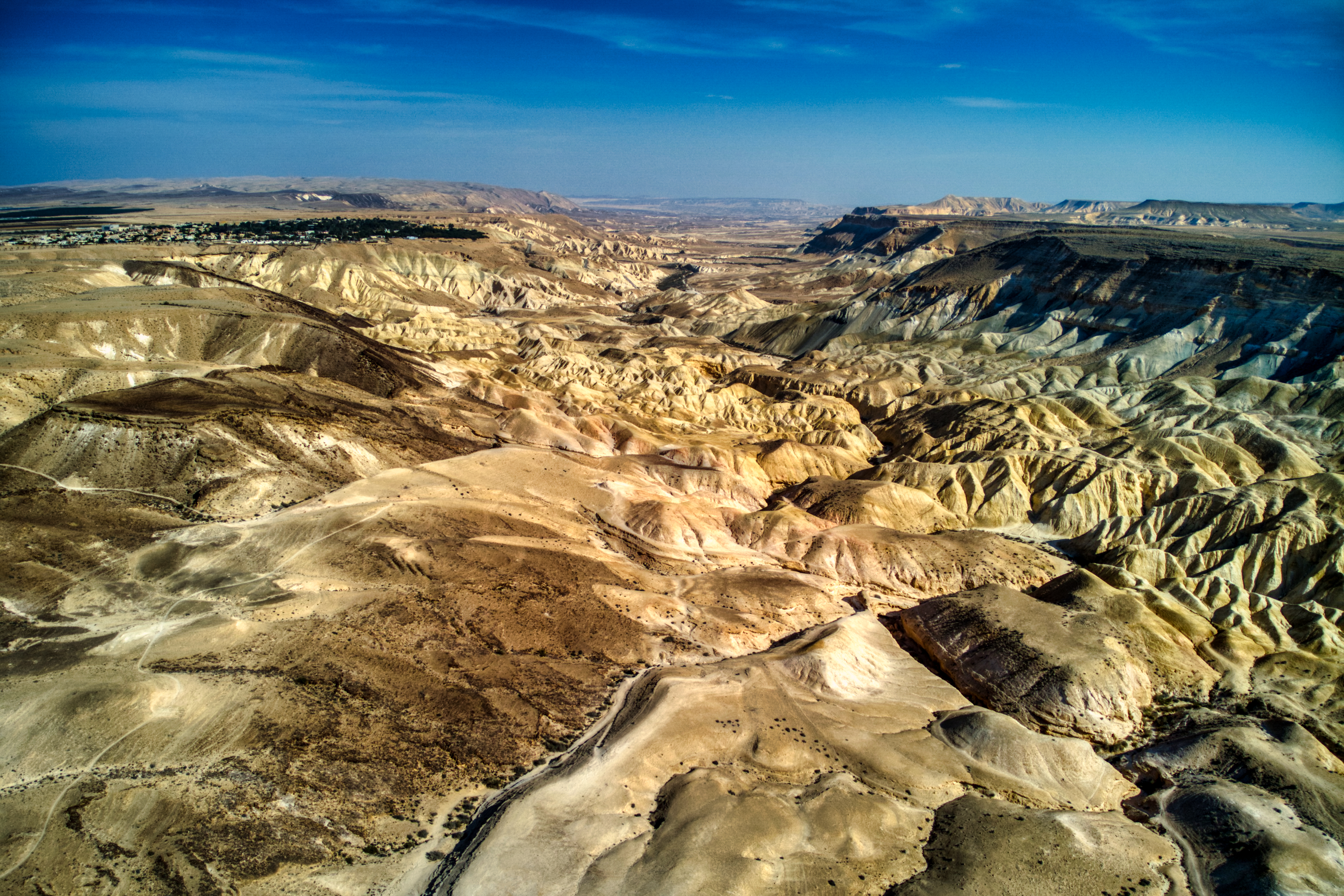
Israel’s geography is a powerful microcosm of biblical drama and natural diversity. The shimmering Dead Sea sinks to the lowest point on Earth, while the Negev Desert’s red canyons echo ancient nomadic journeys. Fertile valleys surround the Sea of Galilee, where olive groves meet tranquil blue waters. From Mediterranean coastal plains to sacred highlands and rugged plateaus, this narrow strip of land blends desert austerity, coastal vibrancy, and spiritual history—etched into every wadi, shoreline, and stone.
Climate
Israel experiences a Mediterranean climate marked by hot, dry summers and mild, rainy winters. Coastal regions remain pleasant year-round, the southern deserts can be intensely hot, and northern mountains stay noticeably cooler. Spring and autumn offer the most comfortable conditions for sightseeing, hiking, and coastal exploration.
Hot & dry (25–40°C)
Mild & rainy (8–18°C)

Tourism Highlights
Monuments
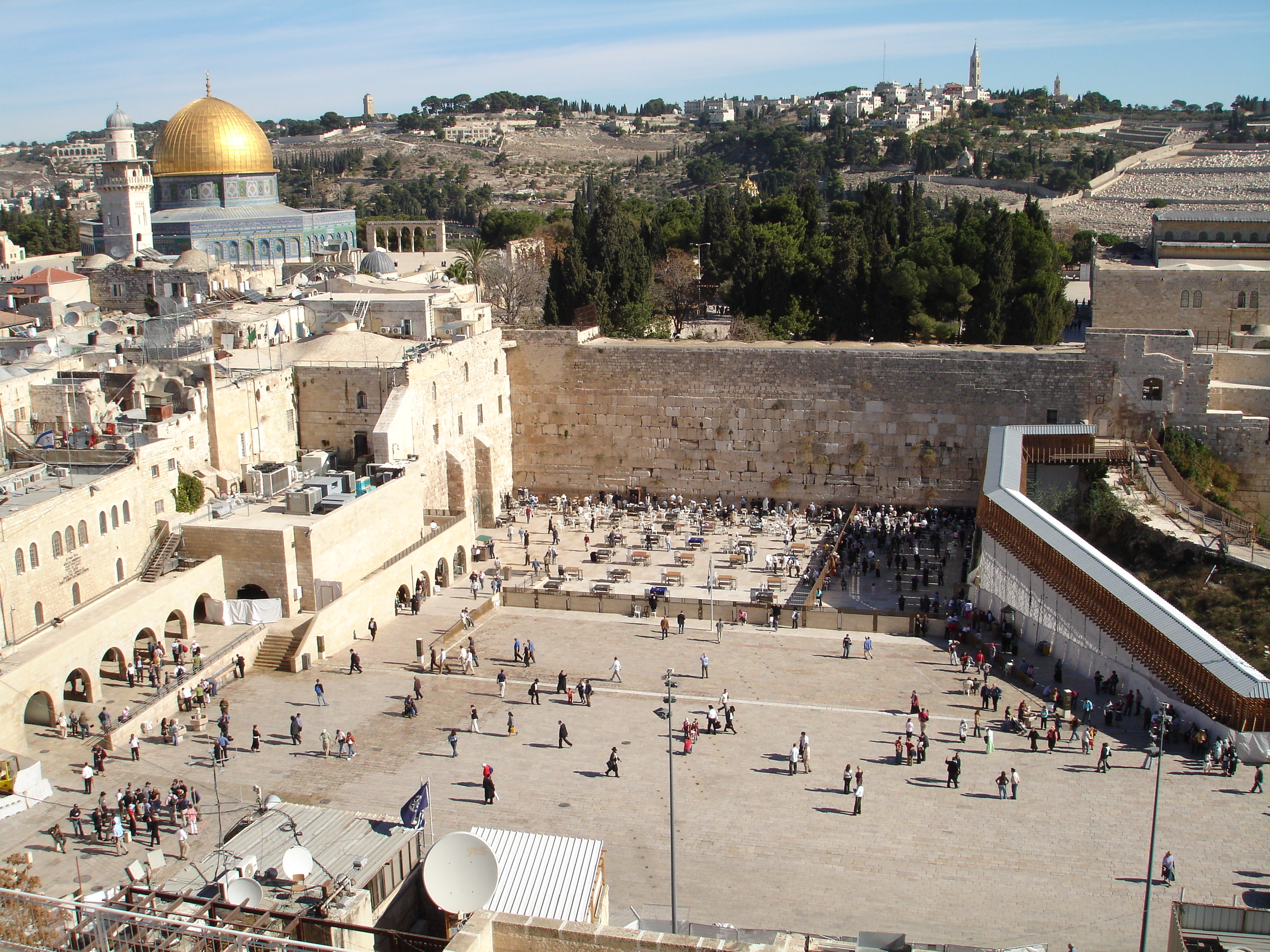
- Western Wall – Judaism’s holiest site, an ancient limestone retaining wall in Jerusalem’s Old City
- Dome of the Rock – Iconic golden-domed Islamic shrine crowning the Temple Mount
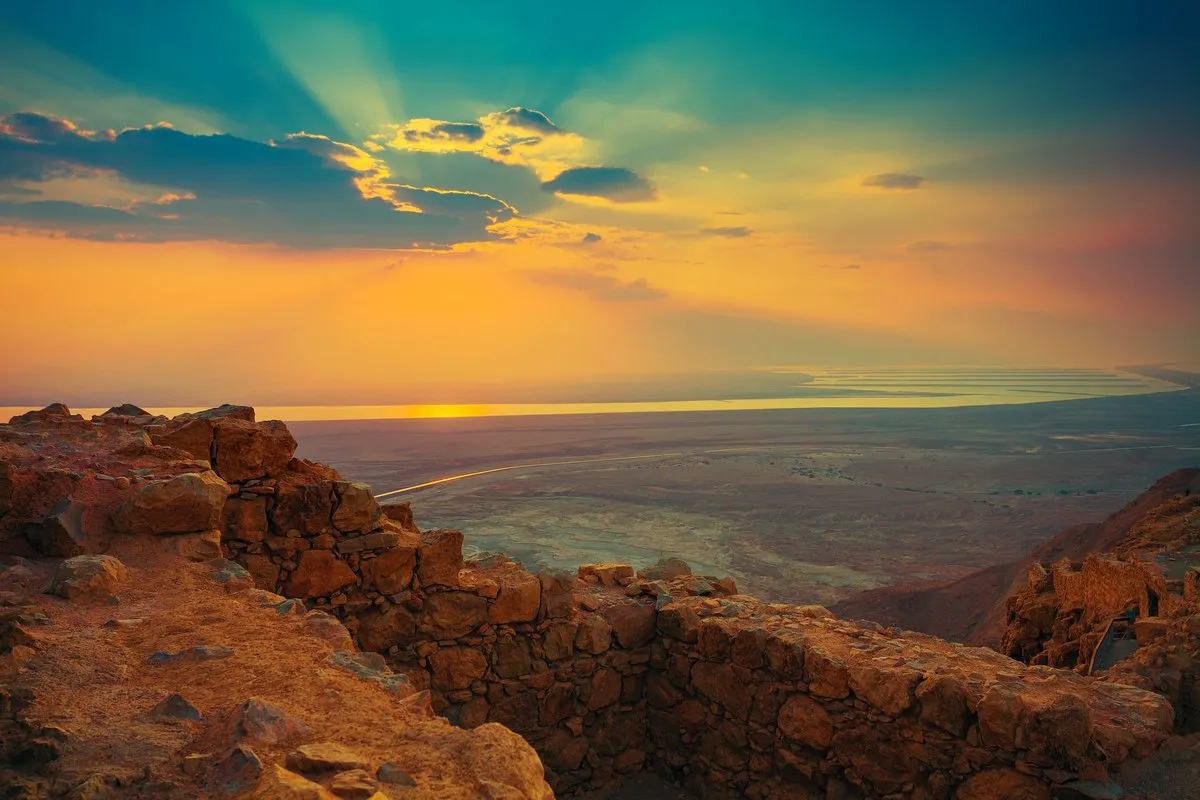
- Masada Fortress – Herod’s dramatic cliff-top palace and symbol of Jewish resistance above the Dead Sea
Cultural Sites
National Parks & Natural Reserves
Adventures & Activities
- Floating effortlessly in the mineral-rich waters of the Dead Sea
- Diving vibrant coral walls at Eilat’s Red Sea reefs
- Wine tasting along the rolling vineyards of the Golan Heights
- Jeep trekking through the Negev Desert and Ramon Crater
- Walking the Via Dolorosa and Stations of the Cross in Jerusalem
- Kayaking the Jordan River’s freshwater sources
Local Culture & Lifestyle
Festivals & Events
Local Food & Cuisine
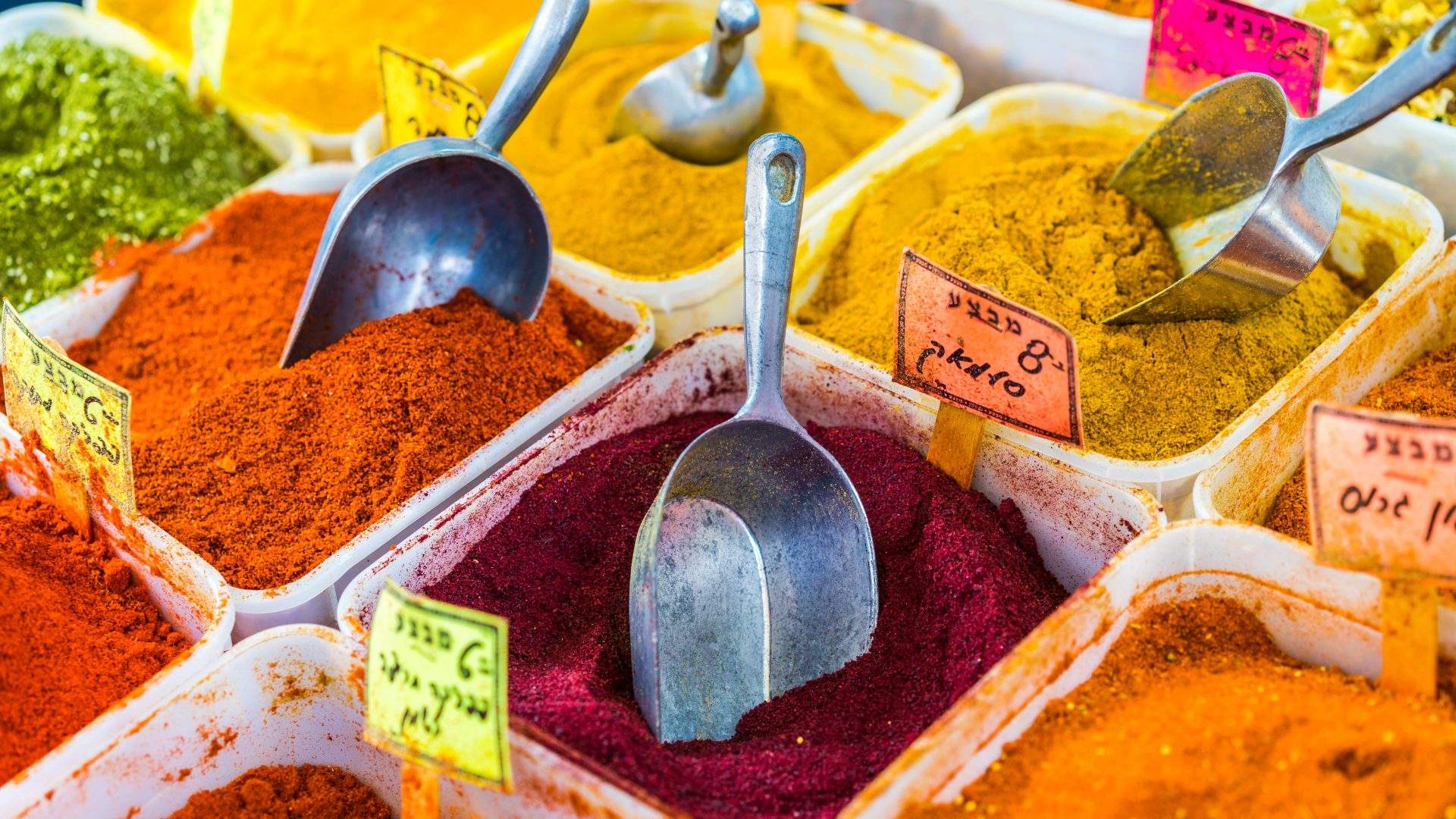
Hummus – Creamy chickpea dip finished with olive oil and spices
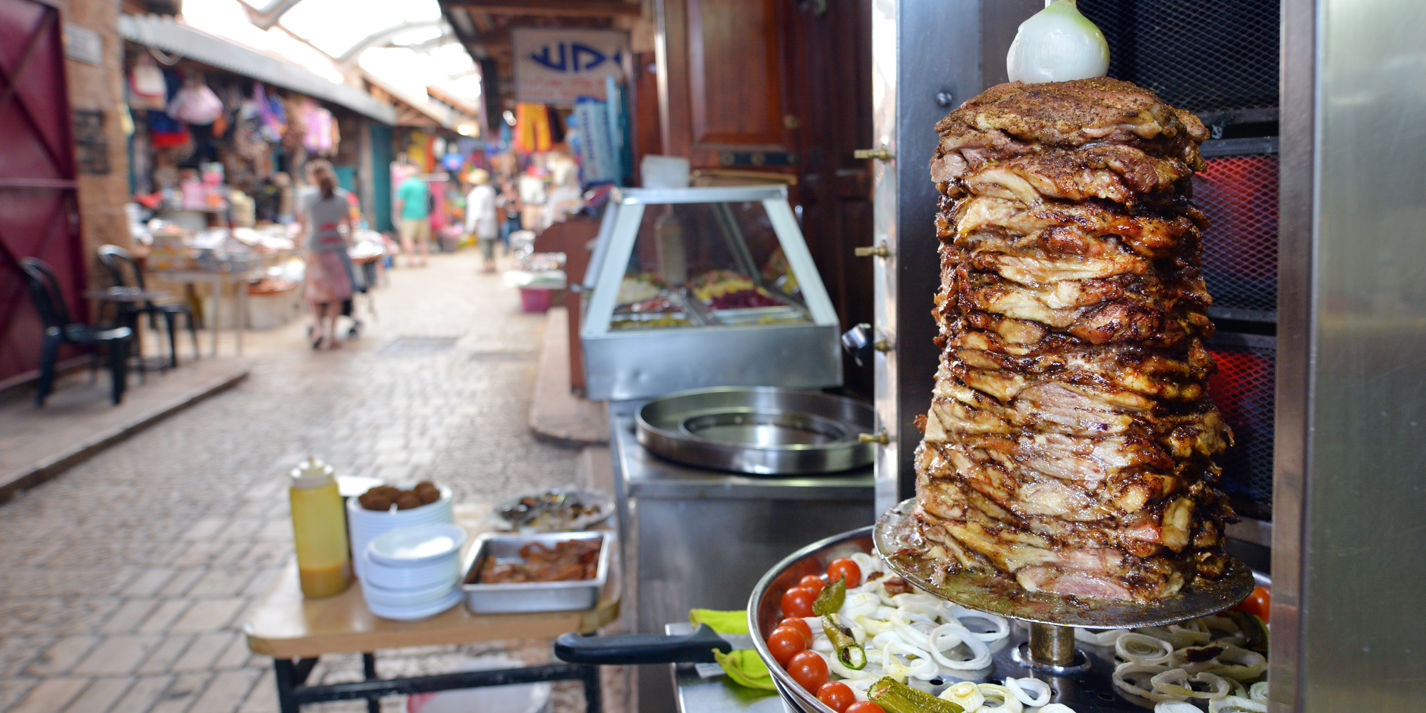
Shawarma – Spiced meat shaved from a rotating spit
Sabich – Iraqi-Jewish pita stuffed with eggplant, eggs, and amba sauce
Knafeh – Sweet cheese pastry soaked in sugar syrup and pistachios
Art & Music
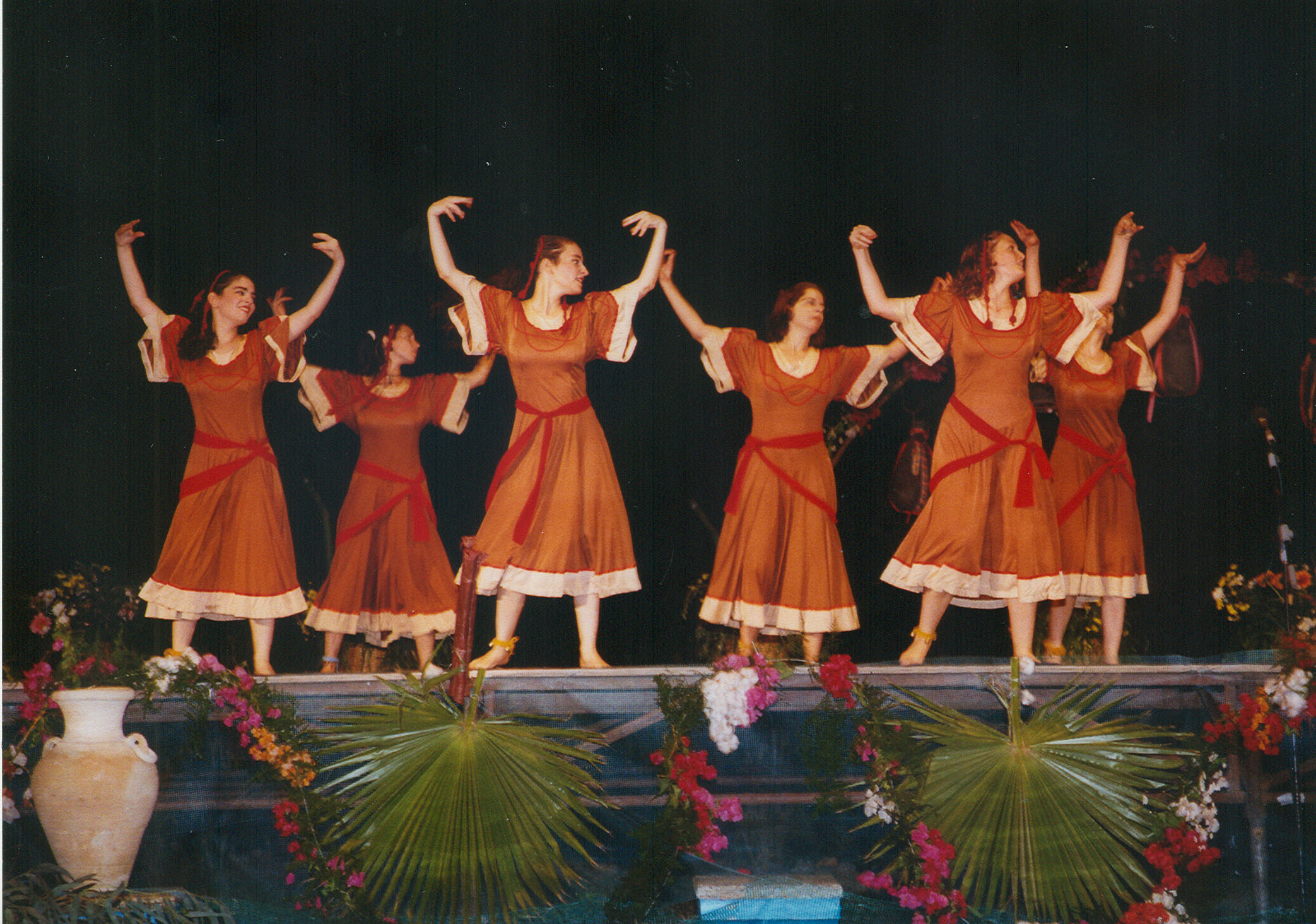
- Kibbutz folk dances reflecting communal rural traditions
- Klezmer music with expressive clarinet melodies rooted in Yiddish culture
- Dead Sea Scroll replicas showcasing ancient biblical manuscripts
- Colorful street murals and contemporary urban art in Tel Aviv
Local Markets
Travel Essentials
- Visa: Many travelers from the EU, USA, and Canada receive a 90-day visa-free entry with an electronic entry slip instead of a passport stamp. Extensions are possible through local authorities, and direct flights are available from several newly normalized Gulf states.
- Transport: El Al and Arkia operate domestic and international flights. Egged buses and Israel Railways connect major cities and the Galilee region. Sheruts (shared taxis) run fixed routes, while the Rav-Kav card works across buses and trains. Waze is widely used for navigation, and Tel Aviv now has a modern light rail system.
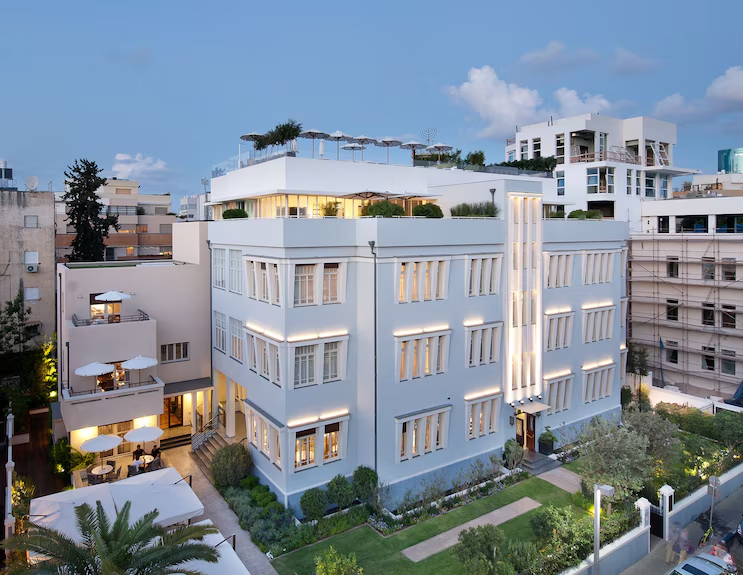
- Accommodation: Options range from peaceful kibbutz guesthouses and eco-villages like Neve Shalom to boutique hotels in Tel Aviv, Dead Sea spa resorts, beachfront hostels, and historic convent stays in Jerusalem’s Old City.
- Budget: Budget travelers spend around $80–150 per day using hostels and street food like falafel. Mid-range trips cost $150–300 with guided tours and hotels, while luxury experiences exceed $400 with Mediterranean villas, private tours, and spa resorts.
- Safety: Israel maintains high tourism security, especially in cities and attractions. Border regions can be tense, so travelers should follow official advisories, avoid protests, use apps like Home Front Command, and dress modestly at religious sites.
Fun Facts & Highlights
- Trivia: Israel has one of the highest startup densities per capita in the world. It is also home to the Dead Sea, the lowest point on Earth at about 430 meters below sea level, where the extreme salinity lets you float effortlessly.
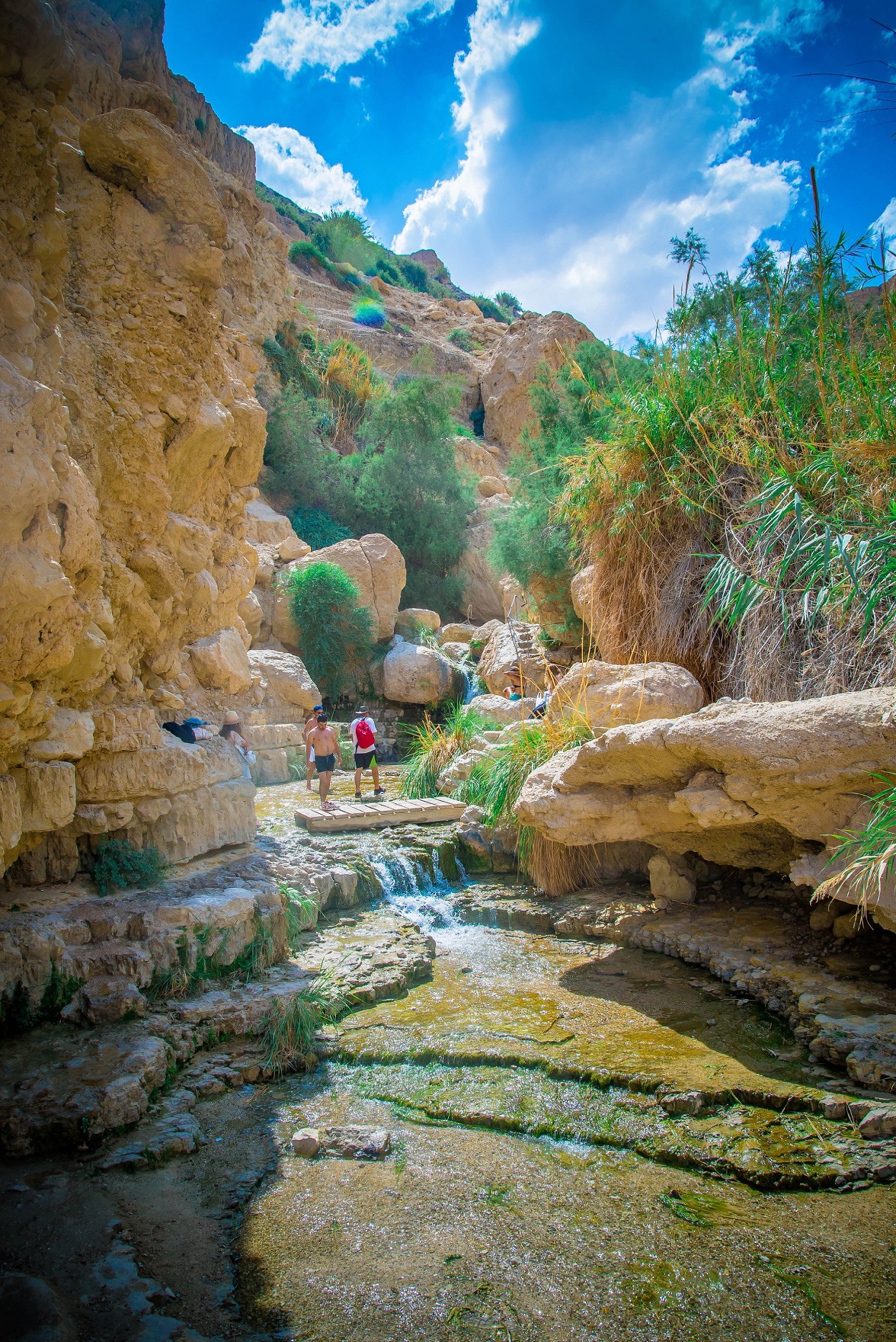
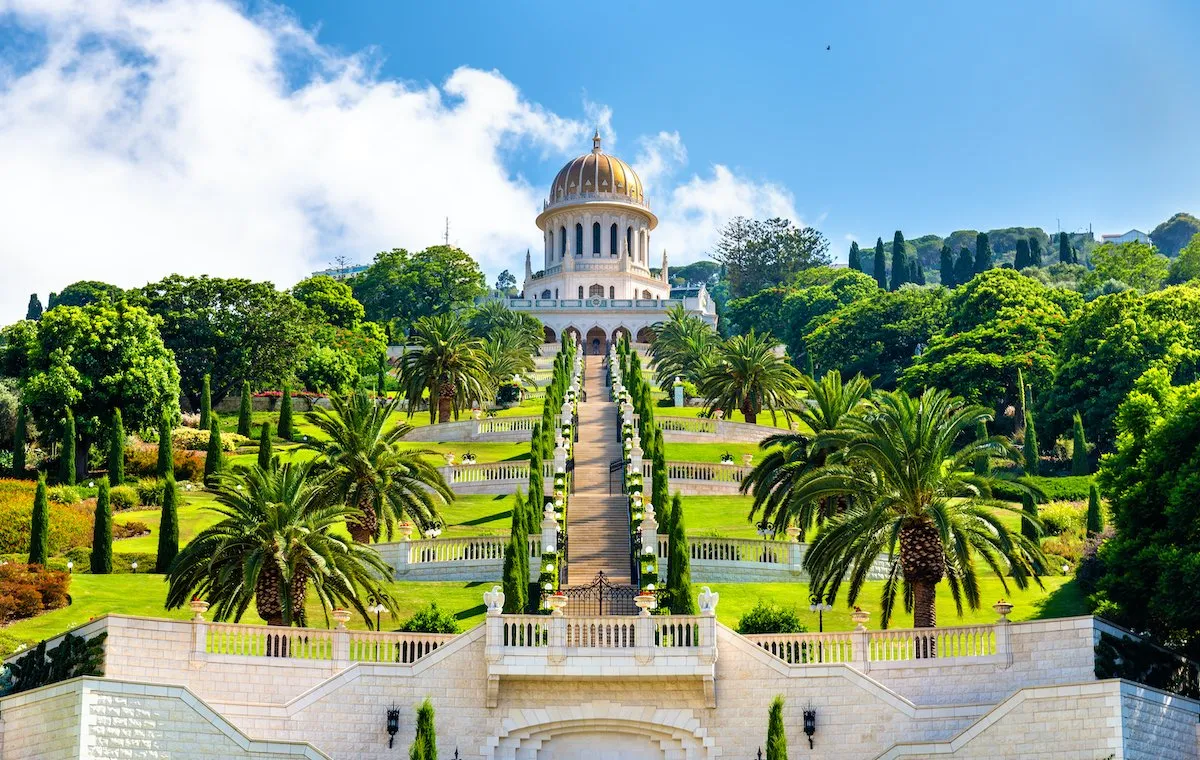
- Hidden Gems: Timna Valley reveals ancient copper mines and mysterious chariot carvings, Ein Avdat hides a lush desert oasis with ibex and waterfalls, and the Bahá’í Gardens in Haifa cascade in perfect terraces from Mount Carmel to the sea.
- Movies: The country has inspired powerful cinema, from the tense political drama of “Munich” (2005) to the sweeping historical epic “Exodus” (1960), portraying Israel’s founding amid desert marches and conflict.
- Insta Spots: Capture surreal Dead Sea salt formations glowing at sunset, hike Masada at dawn for golden fortress views, and photograph Tel Aviv’s Bauhaus “White City” where modernist architecture meets the Mediterranean shoreline.
Quick Guide
A handy guide for travelers highlighting the top attractions, local cuisine, accommodation, souvenirs, and essential phrases to help you plan your trip efficiently and immerse yourself in Israel’s layered histories and coastal zest.
Top Hotels




Top Souvenirs
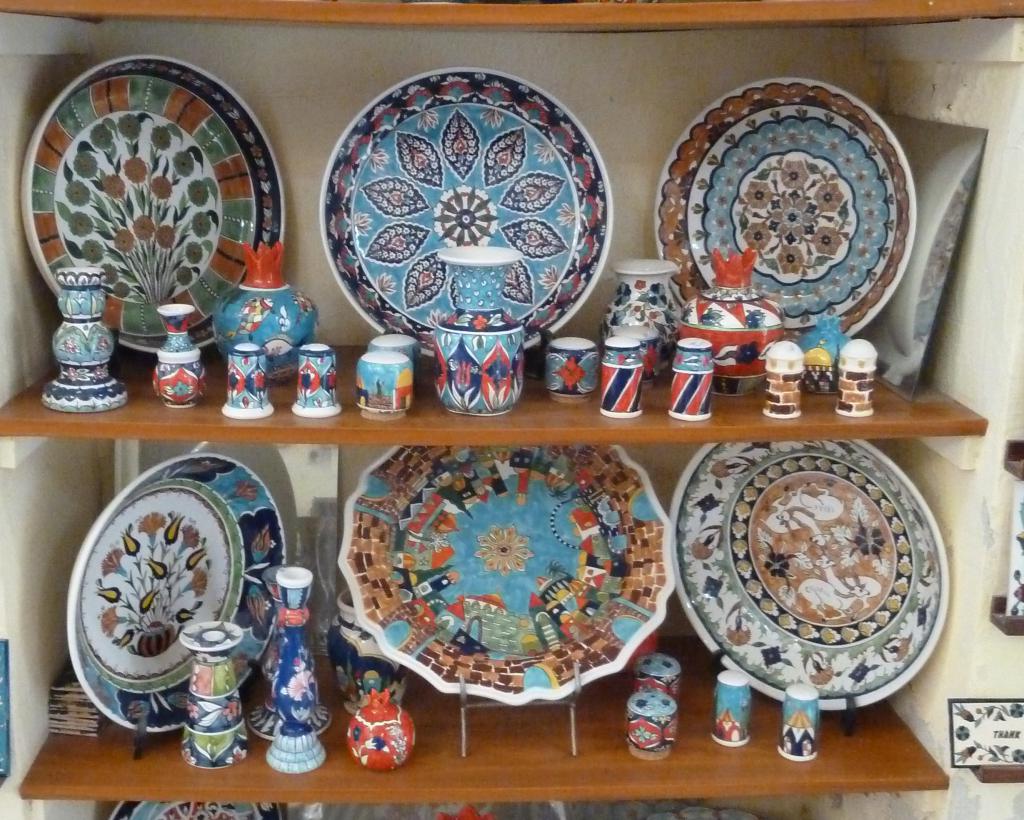
Hamsa charms, olive wood carvings, Dead Sea salts.
Common Phrases
- Hello: Shalom
- Thank You: Toda
- Please: Bevakasha
Quick Tips
- Download Moovit for transit; kosher options vary.
- Modest attire for Jerusalem; beach casual Tel Aviv.
- Hummus portions—share or starve!
Gallery Highlights

Travel Tips & Warnings
Do’s & Don’ts
- Respect security rules and Shabbat customs; no photos at checkpoints or security areas.
- Dress modestly at holy sites and synagogues; avoid disrespectful behavior on religious grounds.
- Share shakshuka—breaking bread bridges divides
Discover Israel, Your Way
Tailored journeys through turquoise coasts, rich culture, and wild beauty.
Beresheet Hotel
Discover Bhutan bustling capital with its colonial charm, colorful markets, and scenic oceanfront cafes.
Explore TripMamilla Hotel Jerusalem
Sail across the Bazaruto Archipelago, enjoy barefoot luxury, and snorkel in coral-filled turquoise lagoons.
Explore TripThe Norman Tel
Relax on golden beaches, dive with whale sharks, and explore the laid-back coastal charm of Inhambane Province.
Explore Tripthe setai tel
Embark on a thrilling safari in Mozambique’s rewilded park — home to lions, elephants, and breathtaking landscapes.
Explore Trip