
Discover the Wonders of Nepal 🇳🇵
Geography & Landscape
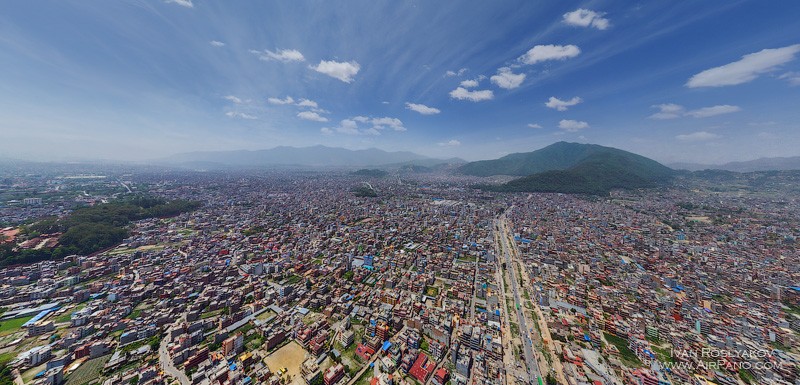
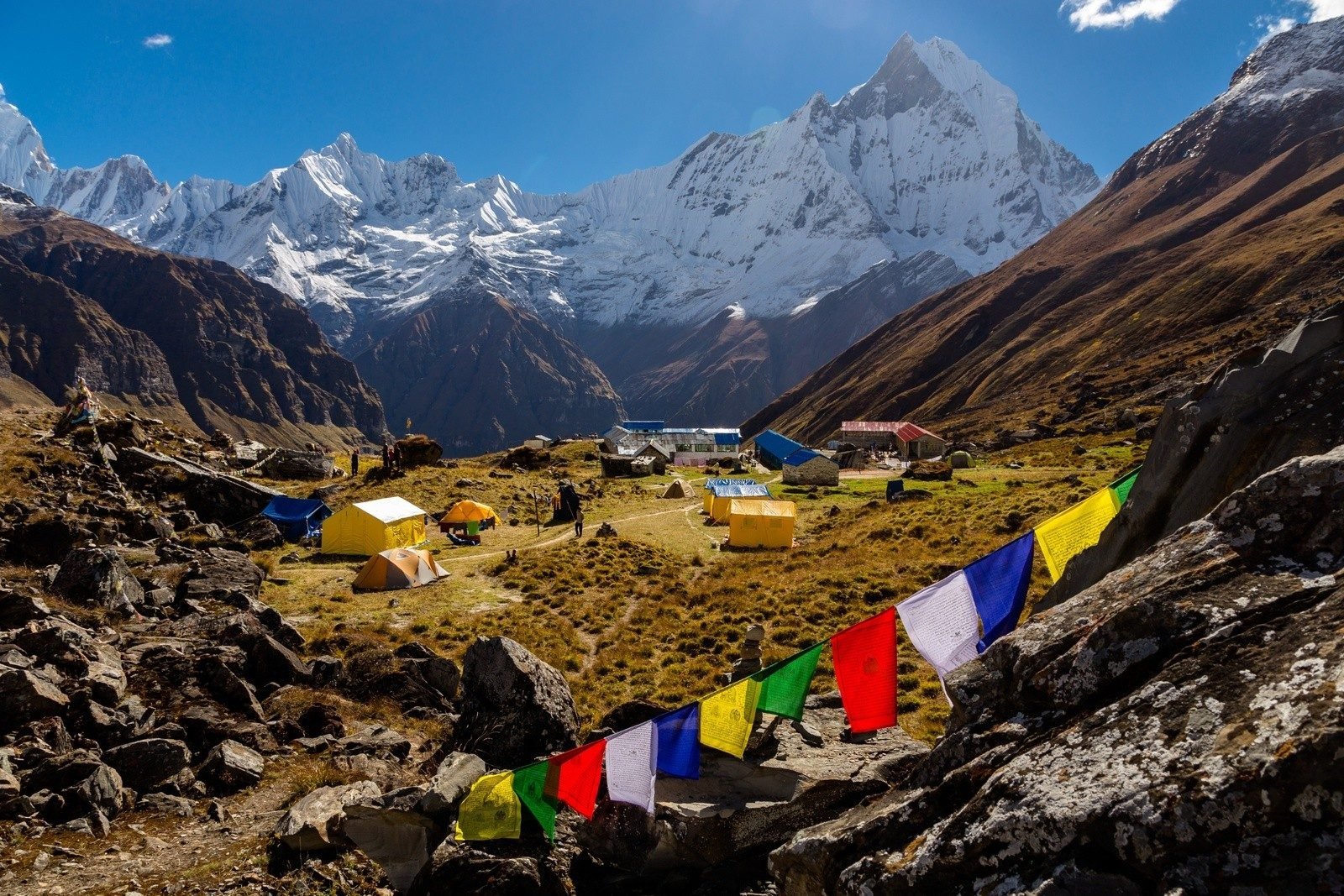
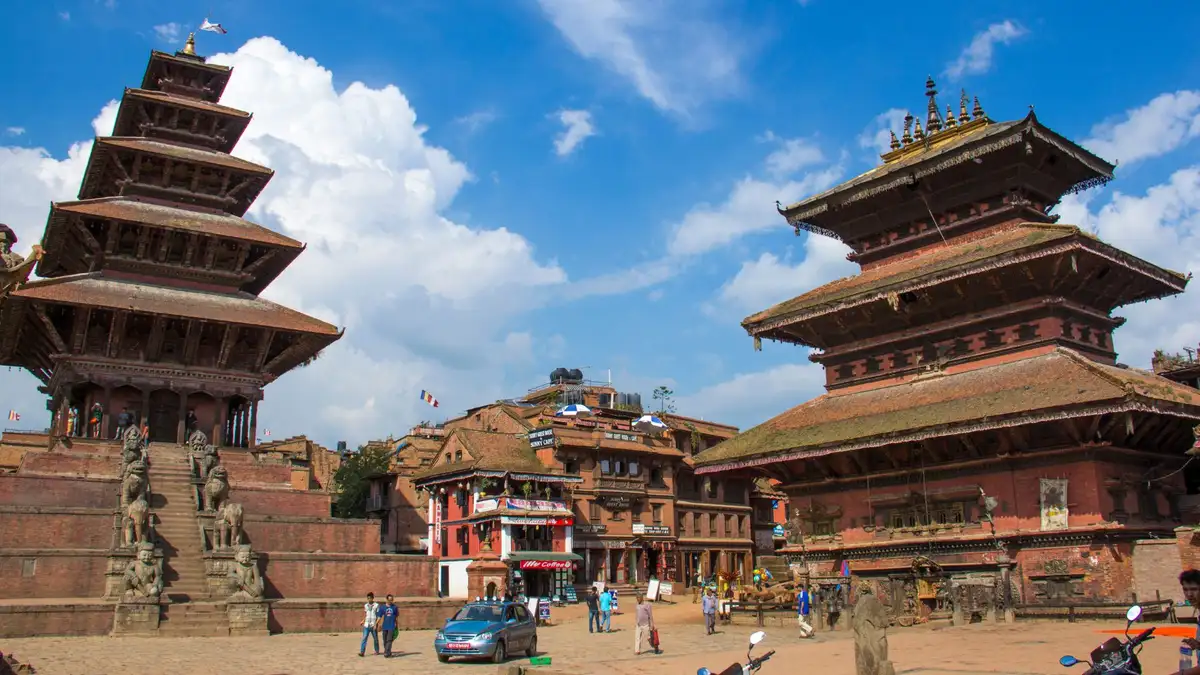
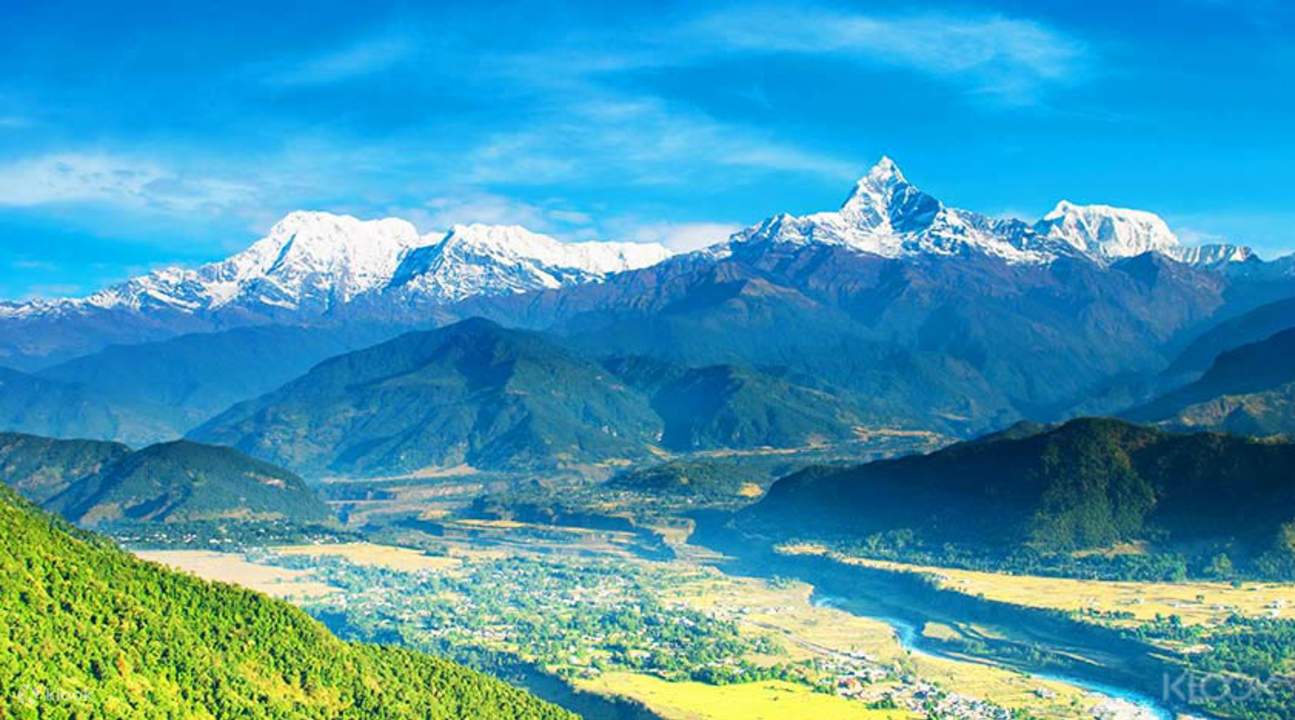
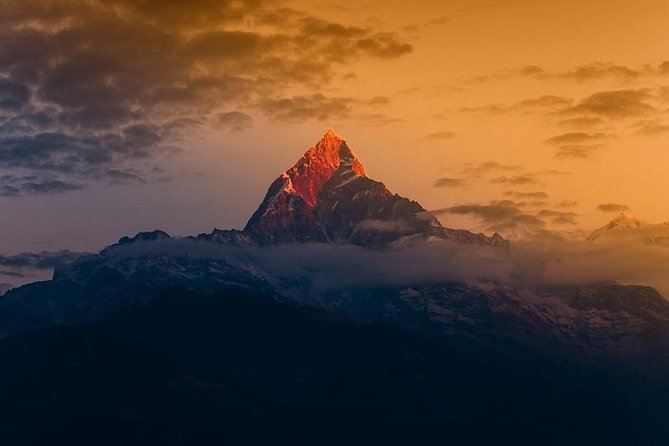
Nepal’s geography rises dramatically from the subtropical Terai plains to the icy crown of Mount Everest, forming one of the world’s most vertical landscapes. Terraced hills cradle ancient villages, while the Kathmandu Valley preserves medieval temples and royal squares. From Pokhara’s serene lakes reflecting Annapurna peaks to jungle lowlands alive with rhinos and elephants, Nepal blends alpine majesty with fertile river valleys in a landlocked Himalayan heart.
Climate
Nepal’s climate varies sharply by altitude, ranging from tropical heat in the lowlands to freezing Himalayan temperatures. Spring and autumn offer the clearest skies for trekking, while monsoon rains transform valleys and forests.
Subtropical (20–40°C)
Temperate (10–25°C)
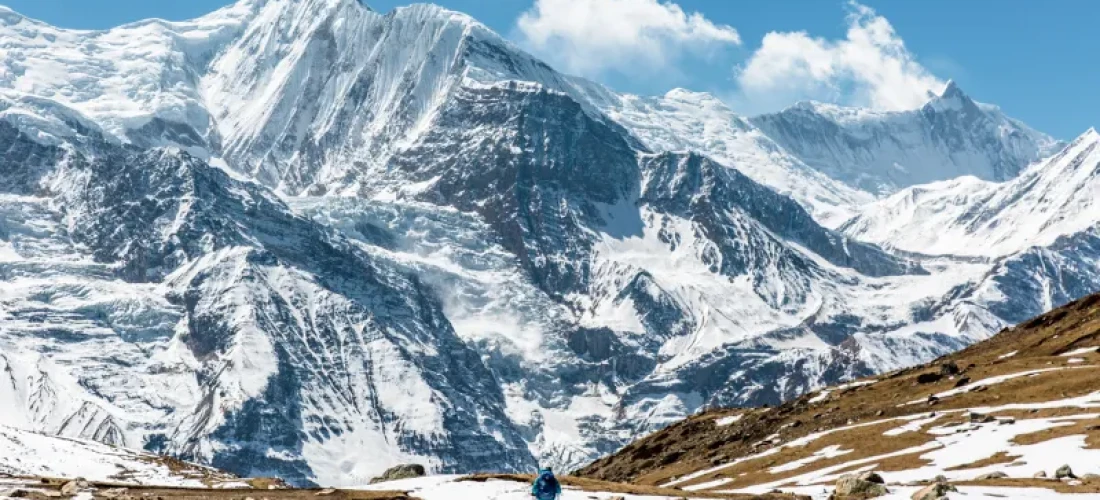
Cold (-10–15°C), snowbound
Tourism Highlights
Monuments
- Swayambhunath Stupa – Kathmandu’s ancient “Monkey Temple” crowned with Buddha’s all-seeing eyes
- Pashupatinath Temple – Sacred Hindu complex with cremation ghats along the Bagmati River
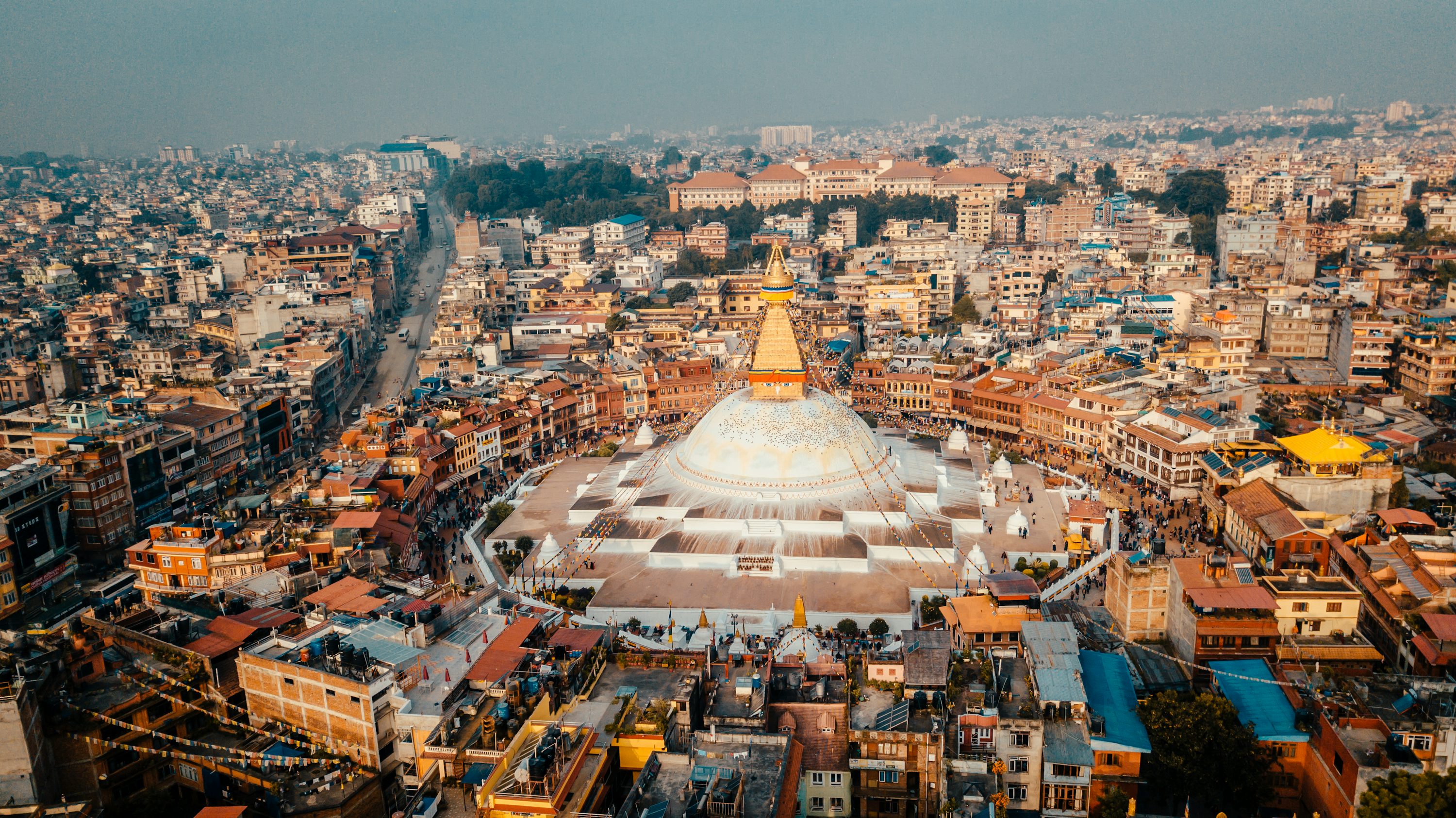
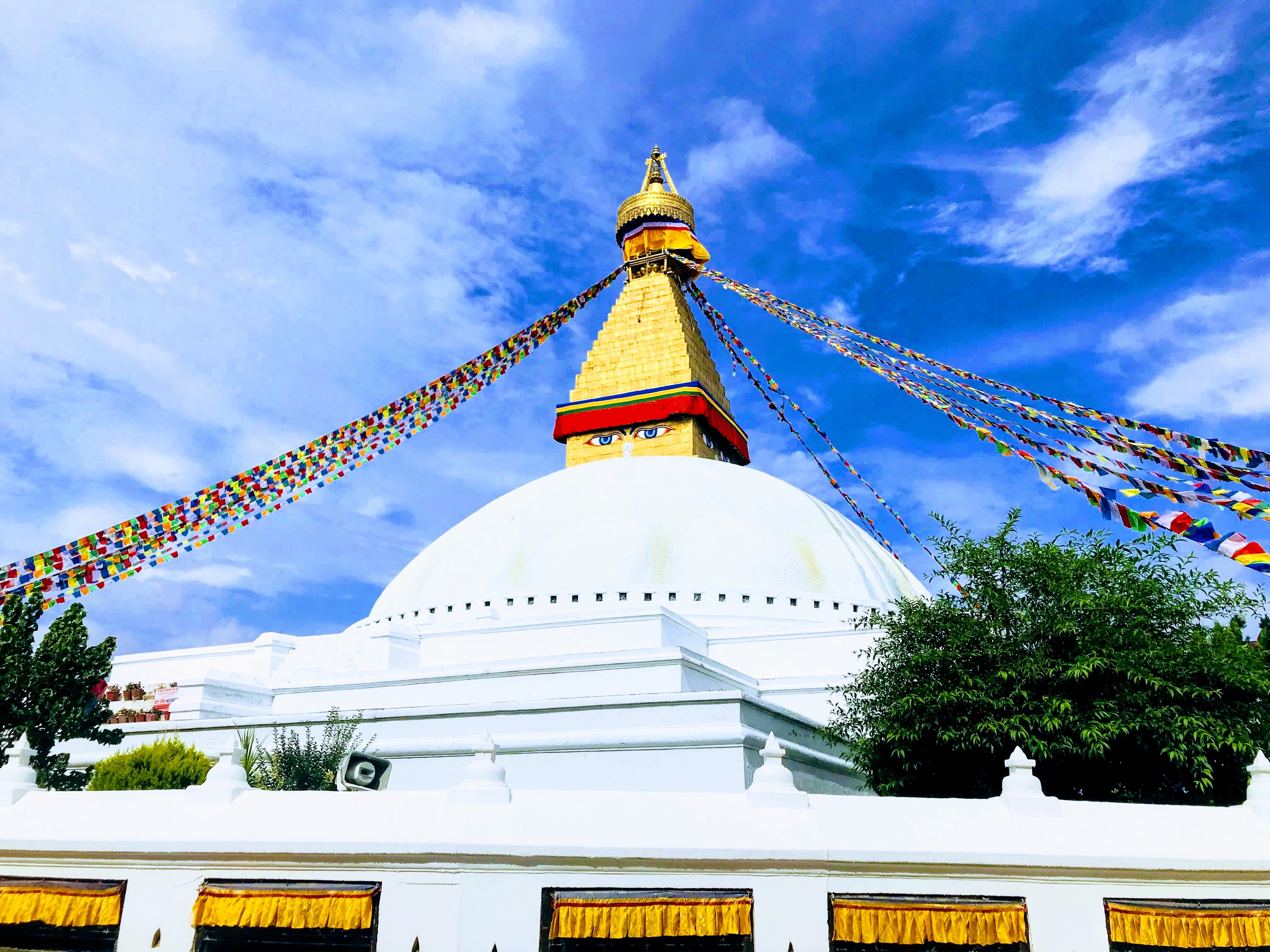
- Boudhanath Stupa – One of the world’s largest spherical stupas and a vibrant Tibetan Buddhist center
Cultural Sites
National Parks & Natural Reserves
Adventures & Activities
- Trekking to Everest Base Camp via the scenic Namche Bazaar route
- Paragliding over Pokhara’s Phewa Lake with Himalayan backdrops
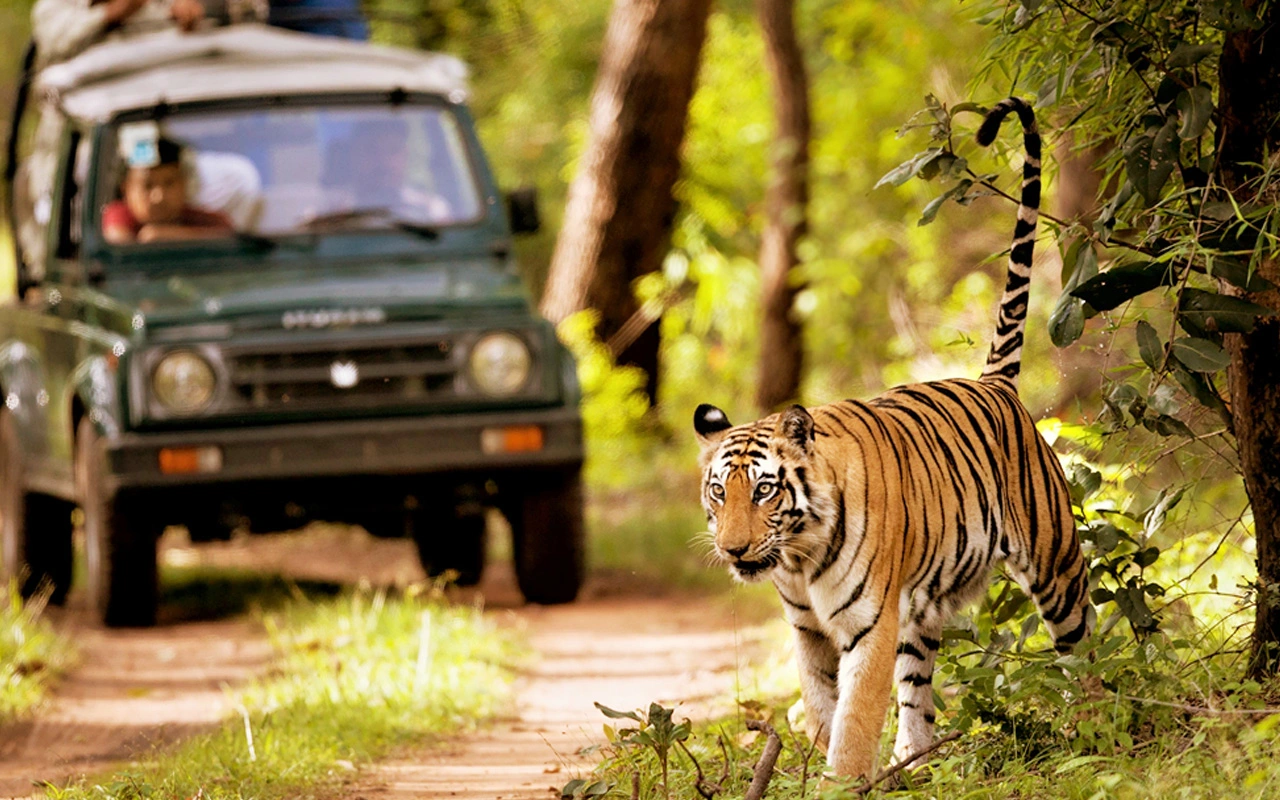
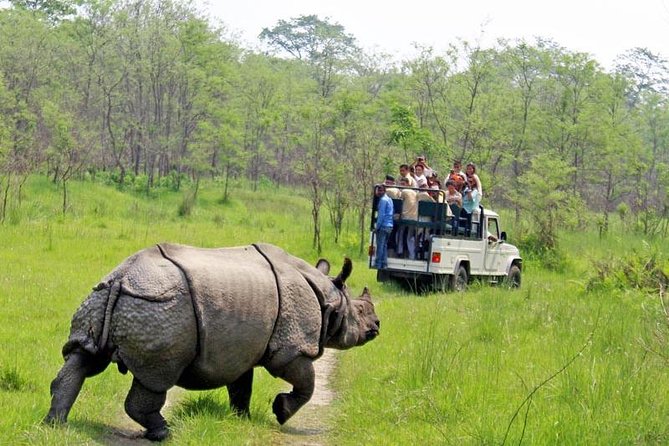
- Elephant safaris in Chitwan to spot rhinos and diverse wildlife
- White-water rafting adventures on the Trishuli and Karnali rivers
- Hot air balloon flights over the Kathmandu Valley
- Mountain biking along sections of the Annapurna Circuit
Local Culture & Lifestyle
Festivals & Events
Local Food & Cuisine
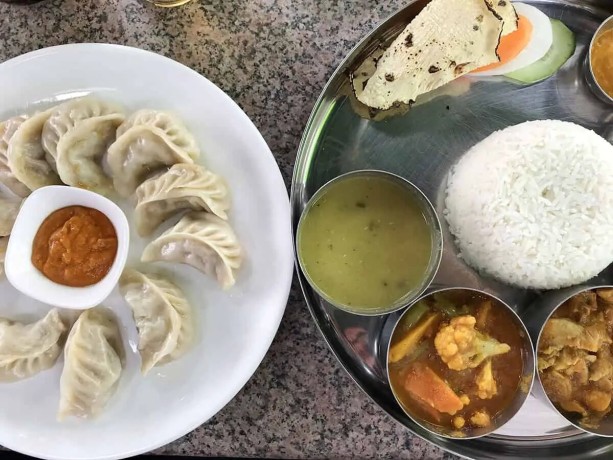
Momo Dumplings – Steamed buffalo or vegetable dumplings with spicy tomato chutney
Sel Roti – Sweet rice doughnut prepared during festivals
Thukpa – Hearty Tibetan-style noodle soup from the Himalayas
Gundruk – Fermented leafy greens with a tangy, earthy flavor
Art & Music
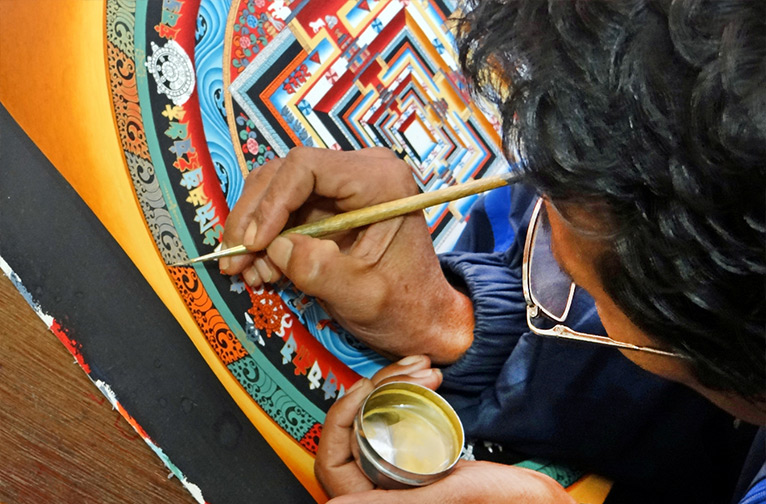
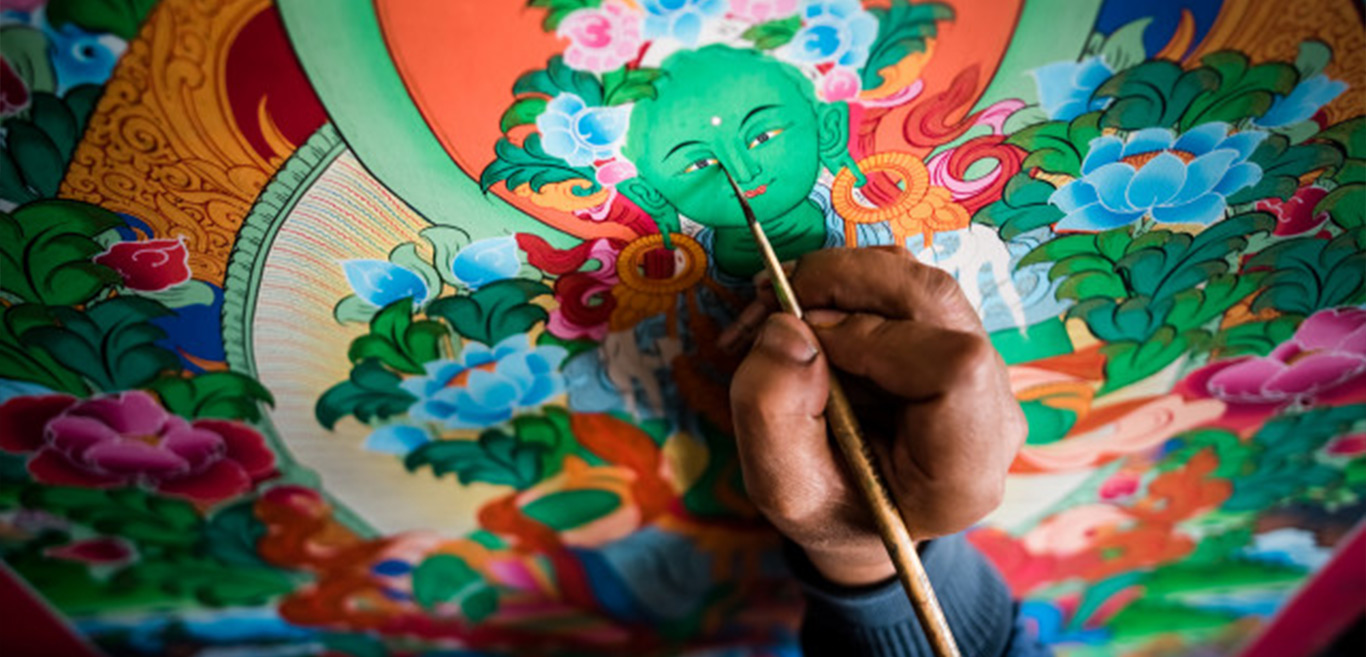
- Thangka Paintings – Sacred Buddhist scrolls depicting mandalas and deities
- Sarangi Folk Music – Emotional four-string fiddle used in mountain storytelling
- Newar Woodcarving – Intricate temple windows and palace lattice screens
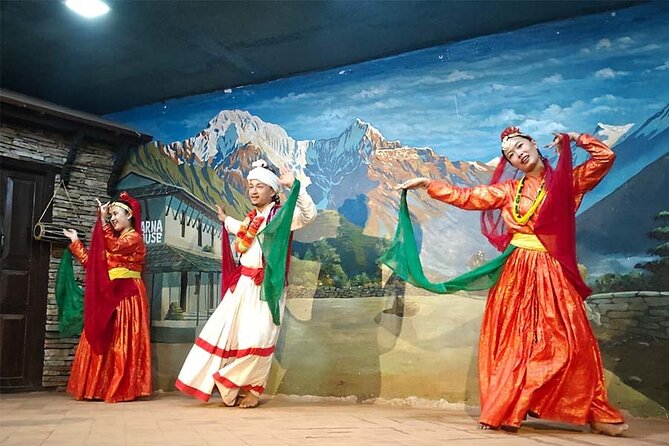
- Kumari Ritual Dance – Ceremonies honoring the living goddess of Kathmandu
Local Markets
Travel Essentials
- Visa: Visa on arrival ($30–125) for 15–90 days at Tribhuvan Airport; e-Visa available; extensions in Kathmandu.
- Transport: Yeti Airlines and Buddha Air flights (including Lukla), tourist and night buses, microbuses, cycle rickshaws, and trekking ponies.
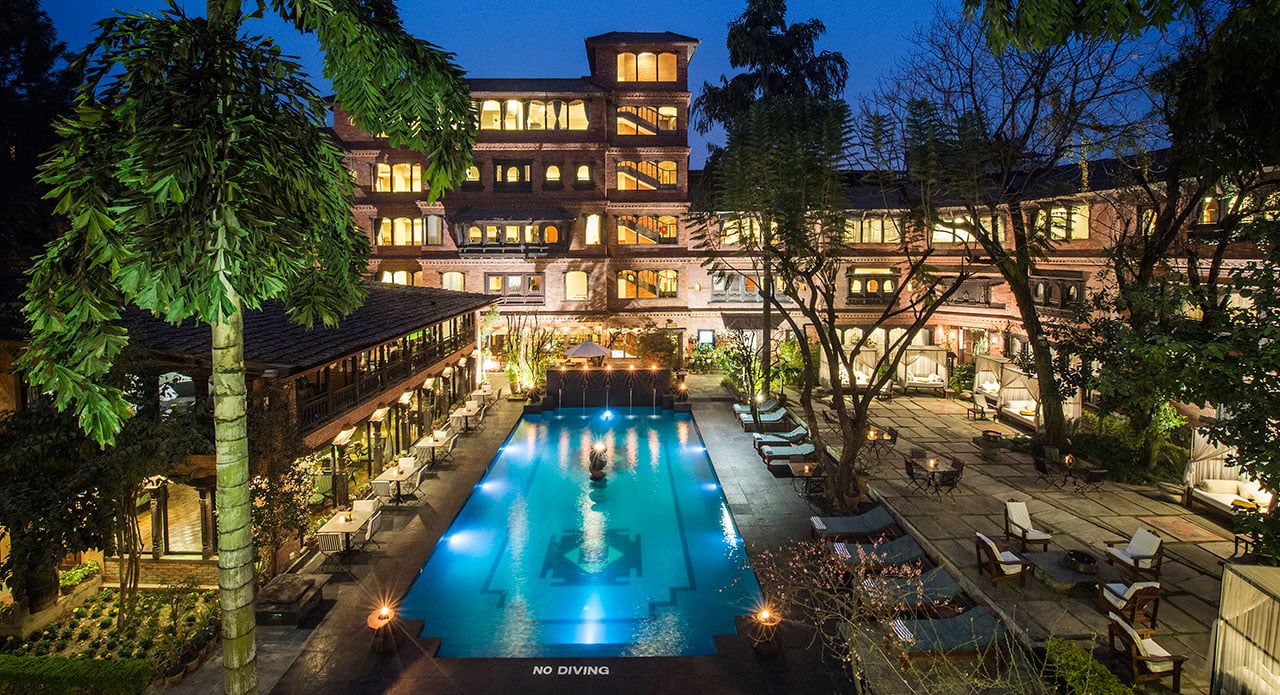
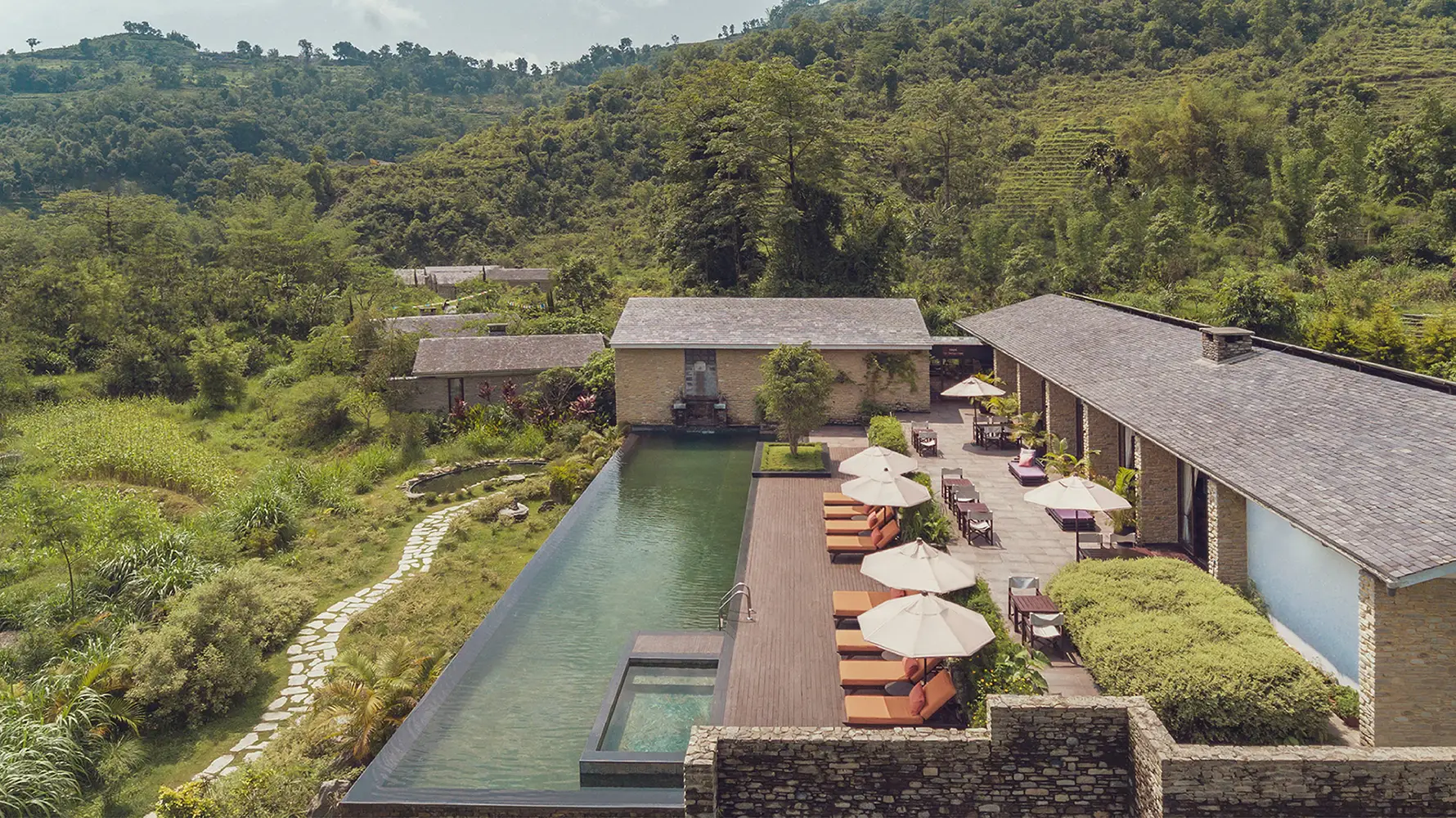
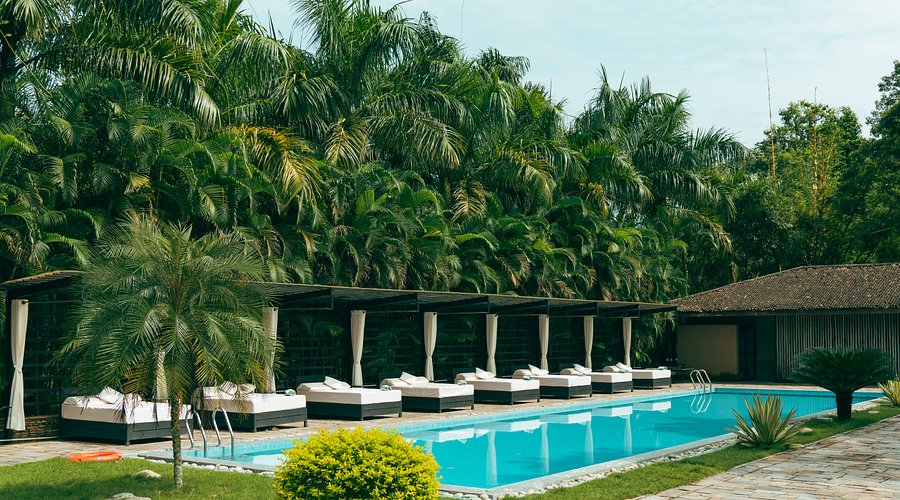
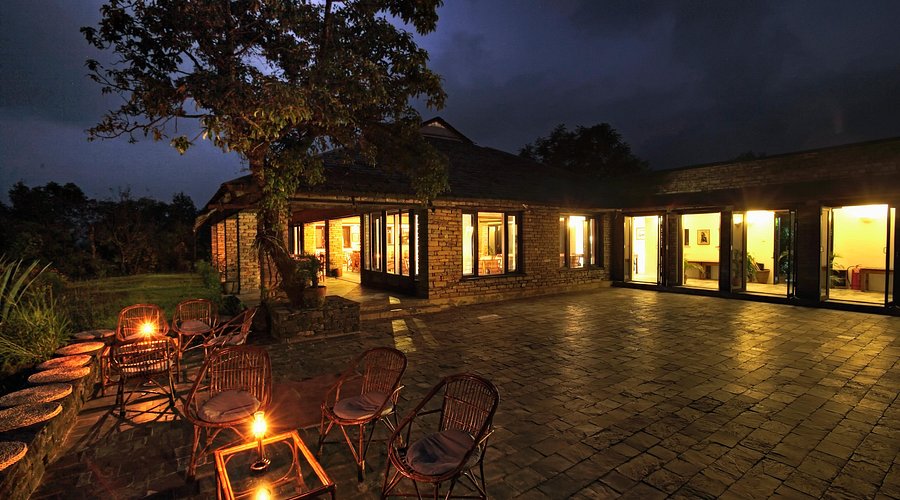
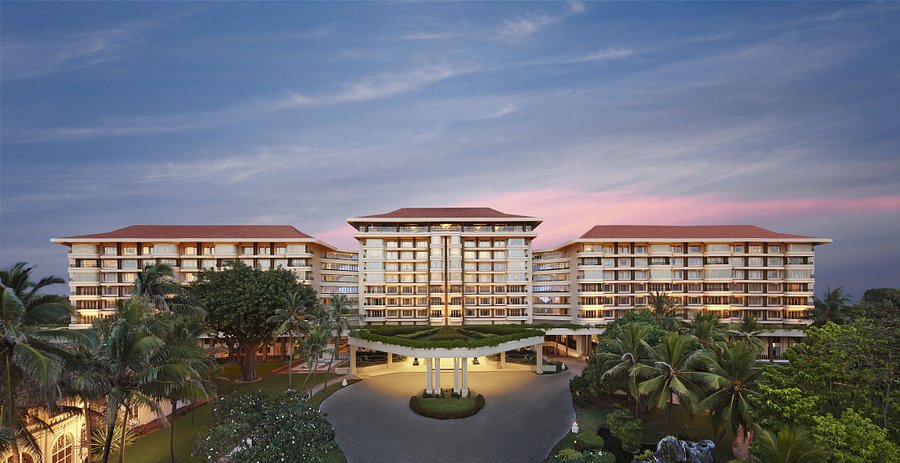
- Accommodation: Trekking teahouses, Kathmandu guesthouses, Pokhara lakeside hotels, and luxury lodges like Dwarika’s.
- Budget: $30–60 (budget), $60–120 (mid-range with guides), $150+ (luxury helicopter tours and lodges).
- Safety: Generally safe; be mindful of earthquakes, altitude sickness on treks, and political demonstrations. Trek with guides and use Nepal 112 app.
Fun Facts & Highlights
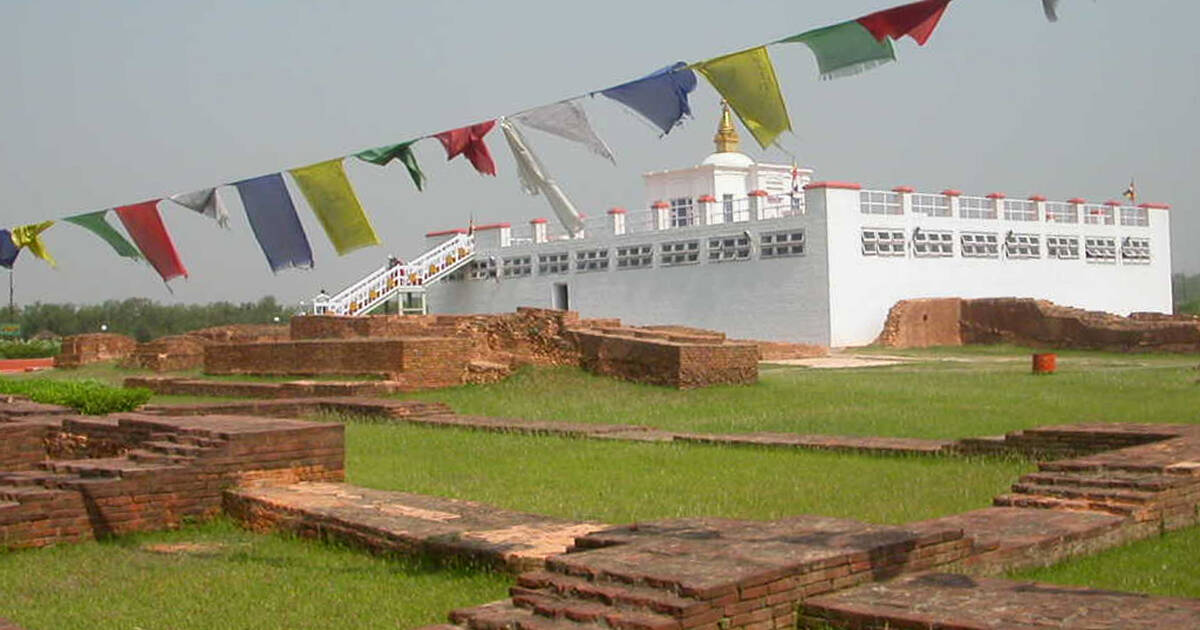
- Trivia: Home to 8 of the world’s 10 highest peaks, birthplace of Buddha, and the only non-rectangular national flag.
- Hidden Gems: Mustang’s ancient cave kingdom, remote Rara Lake, and the medieval hill town of Bandipur.
- Movies: Everest (2015) and The Golden Child (1986).
- Insta Spots: Annapurna reflections at Phewa Lake, Boudhanath Stupa prayer wheels, and Chitwan elephant safaris.
Quick Guide
A handy guide for travelers highlighting the top attractions, local cuisine, accommodation, souvenirs, and essential phrases to help you plan your trip efficiently and immerse yourself in Nepal’s Himalayan heartbeat and valley vibes.
Top Hotels
Top Souvenirs
Pashmina shawls, singing bowls, khukuri knives.
Common Phrases
- Hello: Namaste
- Thank You: Dhanyabad
- Please: Kripaya
Quick Tips
- TIMS card for treks; acclimatize slowly.
- Monsoon leeches—salt socks help.
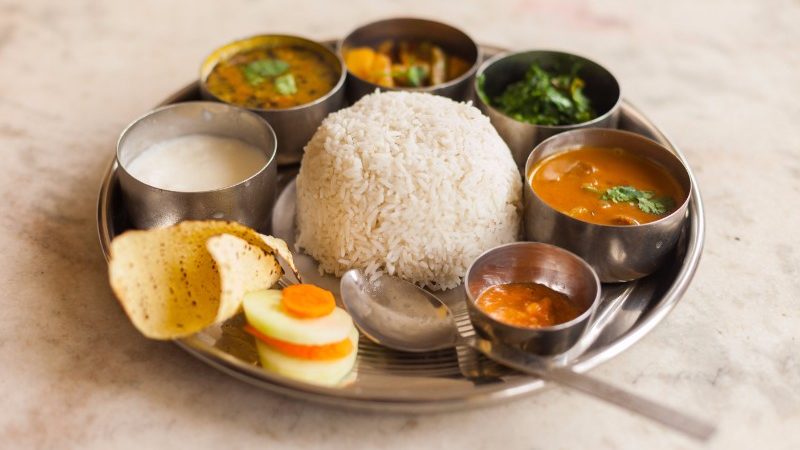
- Dal bhat power—eat two plates!
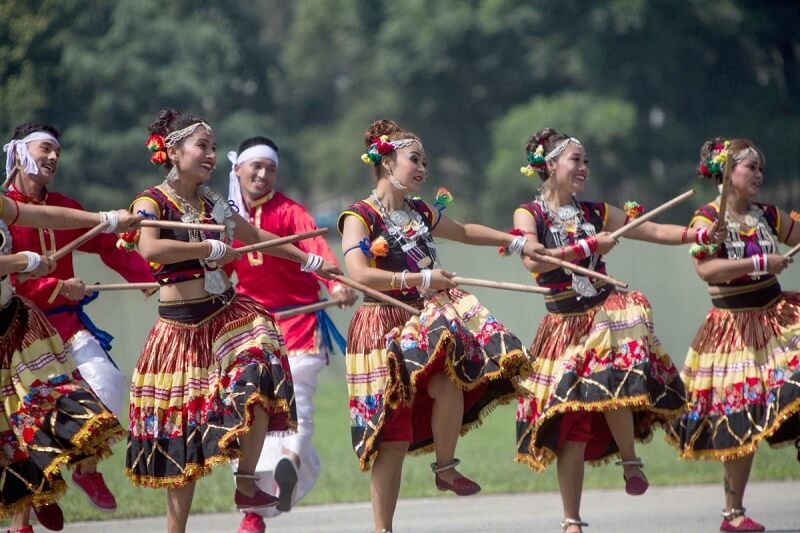
Gallery Highlights
Travel Tips & Warnings
Do’s & Don’ts
- Walk clockwise around stupas and temples.
- Offer dakshina when visiting temples.
- Avoid using the left hand for giving or receiving items.
- Don’t step on door thresholds in homes or temples.
- Greet with a Namaste bow — a respectful soul salute.
Discover Nepal, Your Way
Tailored journeys through majestic mountains, rich culture, and serene landscapes.
Kathmandu Valley Discovery
Explore ancient temples, palaces, and vibrant local markets in the heart of Nepal.
Explore TripPokhara & Annapurna Views
Enjoy serene lakes, mountain vistas, and adventure activities like paragliding and trekking.
Explore TripEverest Base Camp Trek
A once-in-a-lifetime trekking experience to the base of the world’s highest peak.
Explore TripLumbini & Spiritual Retreat
Discover the birthplace of Buddha with peaceful monasteries and cultural insights.
Explore Trip