
Basic Information - Ethiopia 🇪🇹
Geography & Landscape
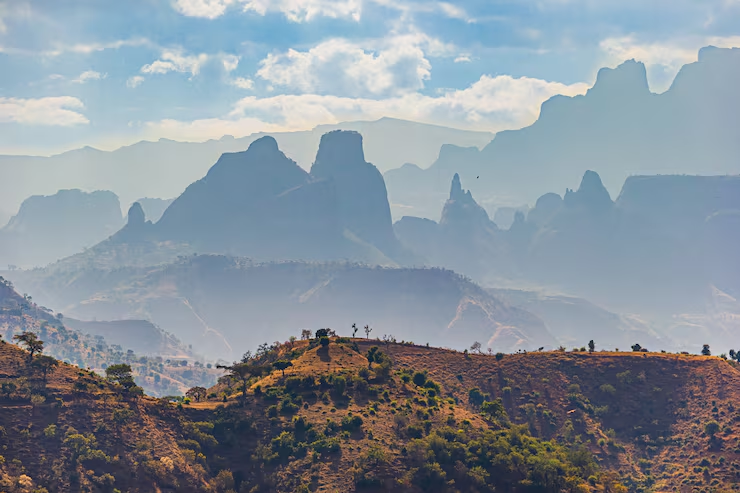
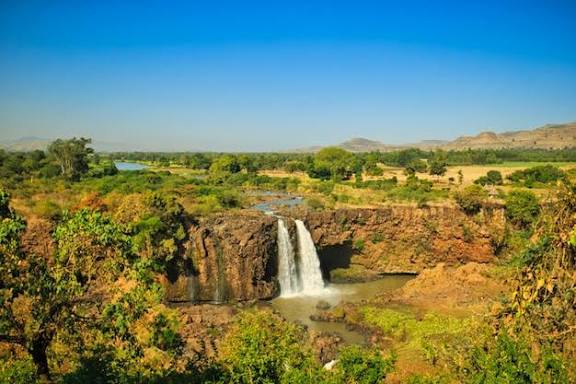
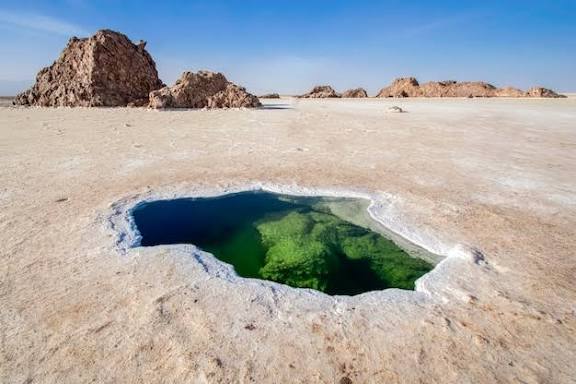
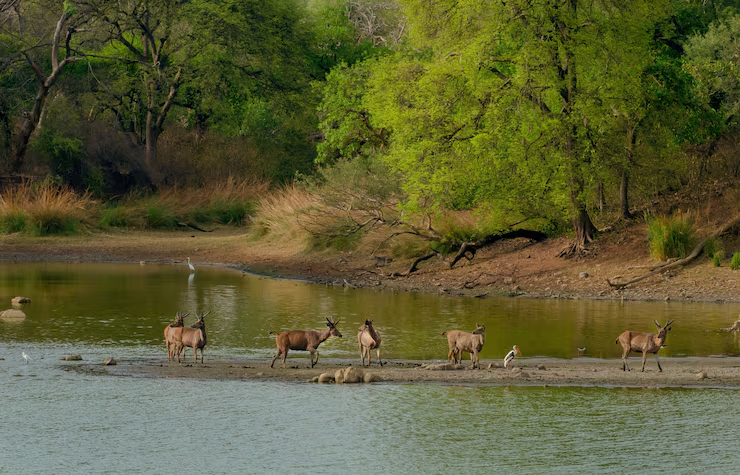
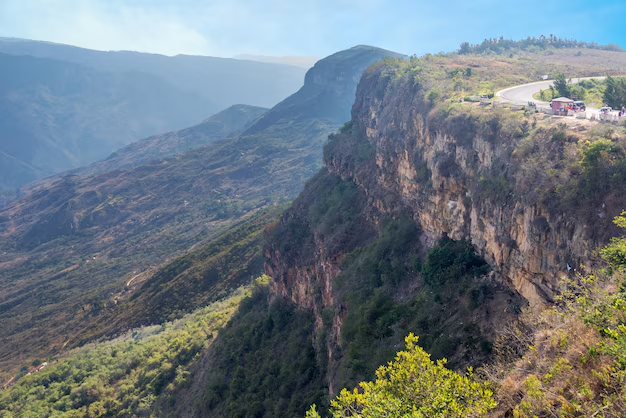
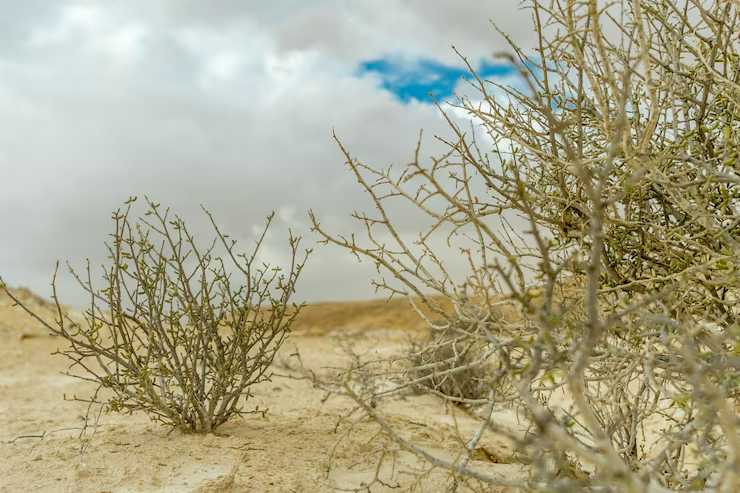
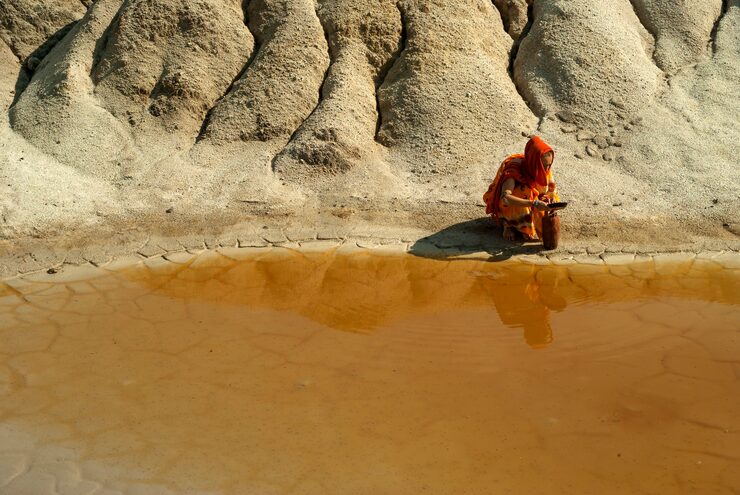
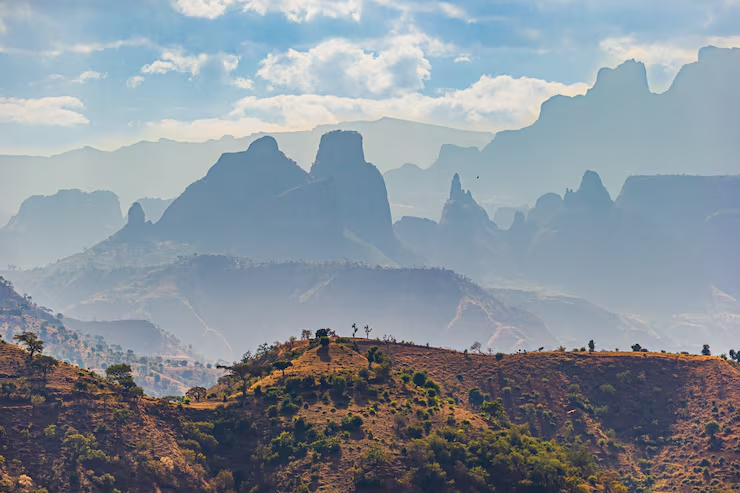
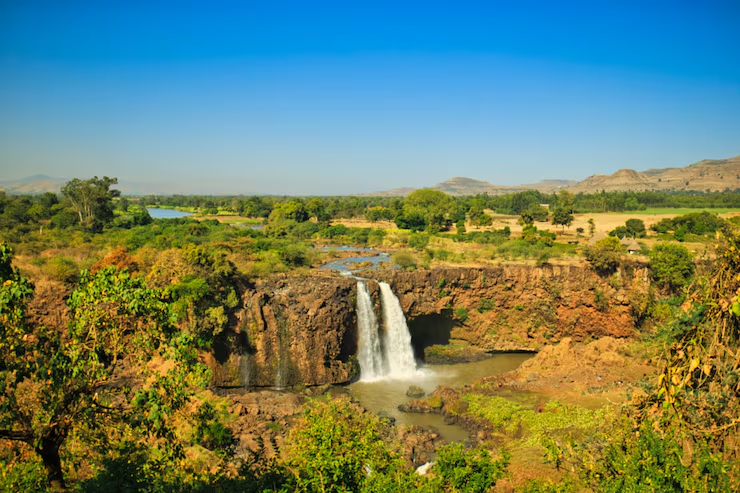
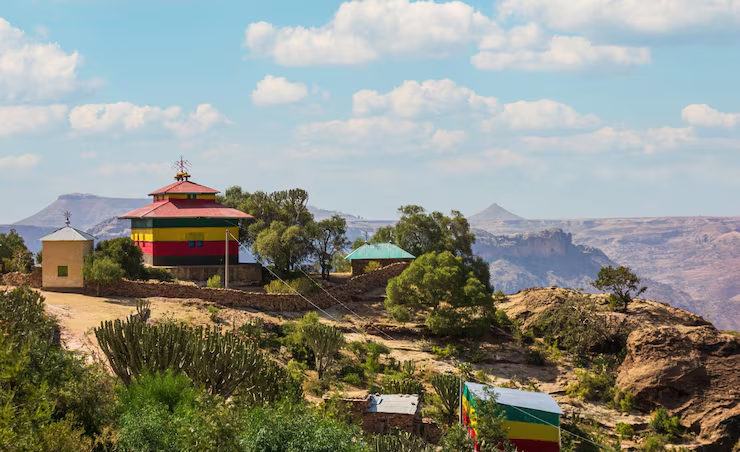
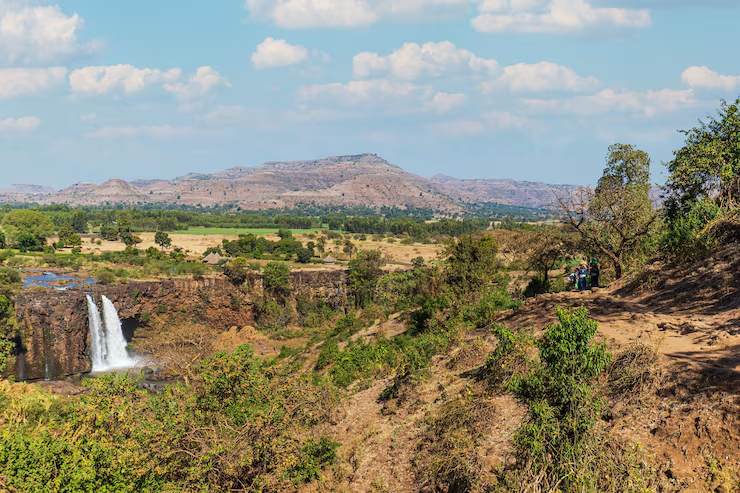
Ethiopia is a land of striking contrasts — from rugged highlands to one of the planet’s lowest points, the Danakil Depression. The Simien Mountains feature dramatic cliffs and endemic wildlife, while the Blue Nile Falls and Lake Tana reveal the country’s natural beauty. Though landlocked, Ethiopia’s landscape is incredibly diverse, with fertile valleys, volcanic formations, and ancient escarpments.
Climate
Ethiopia experiences a highland climate in most regions, with mild temperatures year-round and distinct wet and dry seasons.
Sunny & Pleasant — 10–25°C
Cool & Wet — 15–25°C
Tourism Highlights - Ethiopia 🇪🇹
Monuments
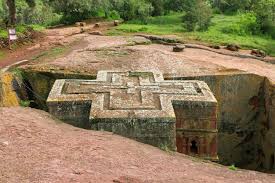
- Lalibela Rock-Hewn Churches – UNESCO World Heritage Site carved from solid rock
- Axum Obelisks – Ancient stelae representing the Aksumite Kingdom
- Fasil Ghebbi (Gondar Castles) – Royal fortress city of Ethiopia’s emperors
Cultural Sites
National Parks & Natural Reserves
Adventures & Activities
- Trek through the Simien and Bale Mountains
- Witness lava lakes at Erta Ale Volcano in the Danakil Depression
- Explore the rock-hewn churches of Lalibela
- Visit traditional tribes in the Omo Valley
- Birdwatching at Lake Tana and Rift Valley Lakes
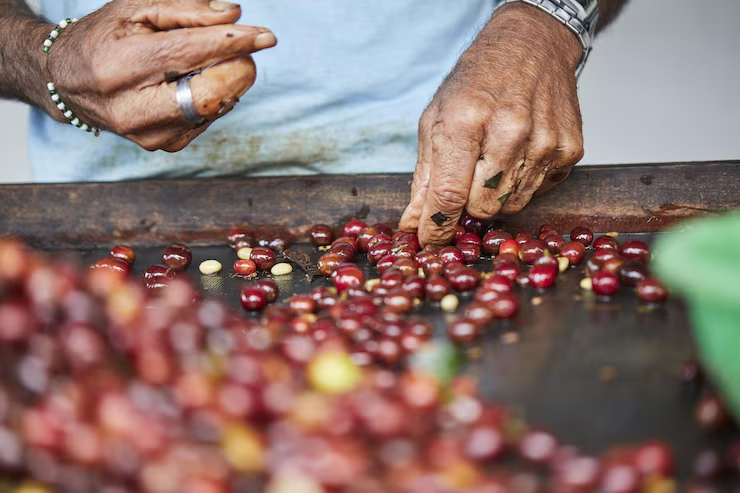
- Enjoy coffee tours in Ethiopia’s birthplace of coffee, Kaffa
Local Culture & Lifestyle - Ethiopia 🇪🇹
Festivals & Events
Local Food & Cuisine
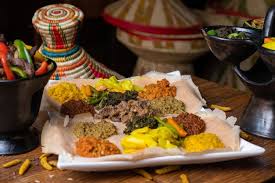
Doro Wat: Spicy chicken stew served with boiled eggs and injera.
Kitfo: Minced raw beef seasoned with spices and clarified butter.
Shiro: Chickpea or lentil stew blended with Ethiopian spices.
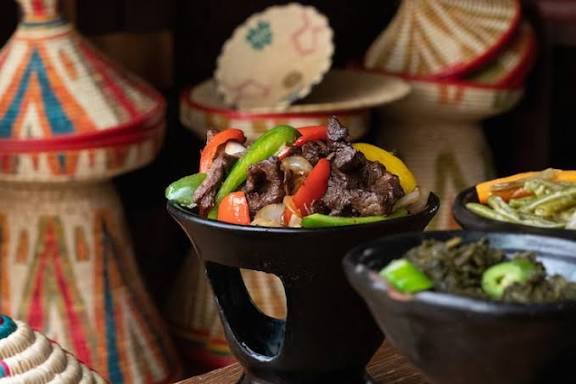
Tibs: Sautéed meat cubes with onions, garlic, and peppers.
Buna (Coffee Ceremony): Traditional coffee preparation reflecting Ethiopia’s coffee heritage.
Art & Music
- Traditional Orthodox Christian art featuring biblical murals and icons.
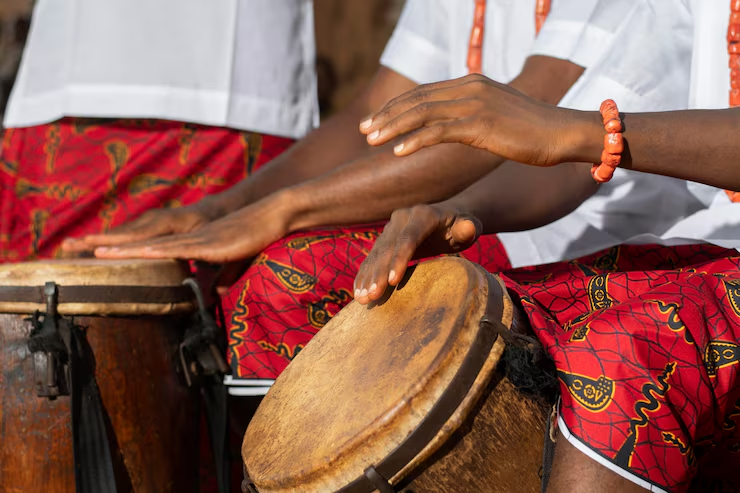
- Azmari minstrels perform poetic songs accompanied by the masenqo (one-string fiddle).
- Ethio-jazz fusion pioneered by Mulatu Astatke blends jazz with traditional melodies.
- Handwoven cotton clothing known as "Habesha Kemis" worn during cultural celebrations.
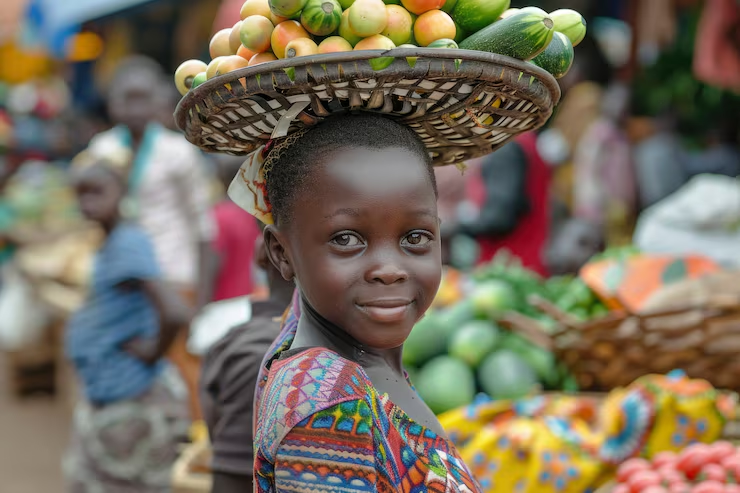
Local Markets



Travel Essentials
- Visa: E-visa available for most nationalities; visa-on-arrival also offered at Addis Ababa Bole International Airport.
- Transport: Domestic flights (Ethiopian Airlines), buses for intercity travel, and taxis or ride-hailing apps within cities.
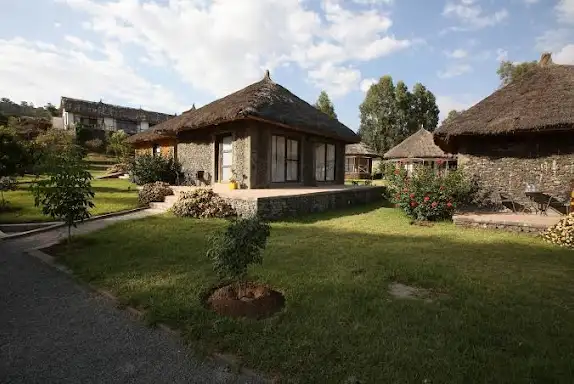
- Accommodation: Wide range from heritage hotels in Lalibela to modern stays in Addis Ababa and eco-lodges near national parks.
- Budget: $40–80 (budget), $100–200 (mid-range), $250+ (luxury).
- Safety: Generally safe; avoid border regions and check local travel advisories before visiting remote areas.
Fun Facts & Highlights
- Trivia: Ethiopia is the only African nation never colonized and uses its own calendar (7–8 years behind the Gregorian).
- Hidden Gems: Discover the rock-hewn churches of Lalibela and the surreal landscapes of the Danakil Depression.
- Movies: Filming location for documentaries showcasing ancient civilizations and coffee origins.
- Insta Spots: Capture shots at the Blue Nile Falls, Simien Mountains, and Aksum Obelisks.
Quick Guide
A handy guide for travelers highlighting Ethiopia’s top attractions, local cuisine, accommodations, souvenirs, and essential phrases to help you plan your trip efficiently and enjoy the country’s rich culture and landscapes.
Top Hotels


Top Souvenirs
Ethiopian coffee beans, handwoven scarves (netela), silver crosses, leather crafts, and traditional paintings.
Common Phrases
- Hello: Selam
- Thank You: Amesegenallo
- Please: Ebakih (to a man) / Ebakish (to a woman)
Quick Tips
- Try local dishes like injera and doro wat — but be prepared for spice!
- Dress modestly when visiting churches and monasteries.
- Cash is preferred in small towns; ATMs mostly in major cities.
- Altitude may affect breathing — stay hydrated and rest well.
Gallery Highlights
Travel Tips & Warnings
Do’s & Don’ts
- Dress modestly, especially when visiting mosques or rural areas.
- Carry small cash for tips (“baksheesh”) and minor purchases.
- Don’t photograph military buildings or checkpoints.
- Respect local customs during Ramadan and religious festivals.
Discover Africa, Your Way
Tailored trips through Ethiopia’s breathtaking landscapes and ancient heritage.
Historic Ethiopia
Explore the rock-hewn churches of Lalibela, the royal castles of Gondar, and Lake Tana’s monasteries.
Explore TripSimien Mountains Adventure
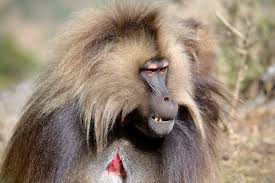
Trek through dramatic highlands, spot gelada baboons, and witness breathtaking sunrises above the clouds.
Explore TripDanakil Depression Expedition
Venture into one of the hottest places on Earth—see colorful salt flats, lava lakes, and unique Afar culture.
Explore TripOmo Valley Cultural Journey
Discover Ethiopia’s diverse tribes, colorful markets, and traditional ceremonies in the Omo Valley.
Explore Trip