
Basic Information - Rwanda 🇷🇼
Geography & Landscape
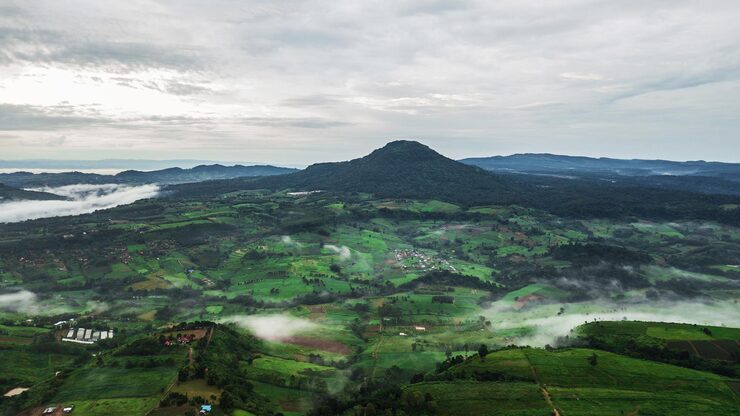
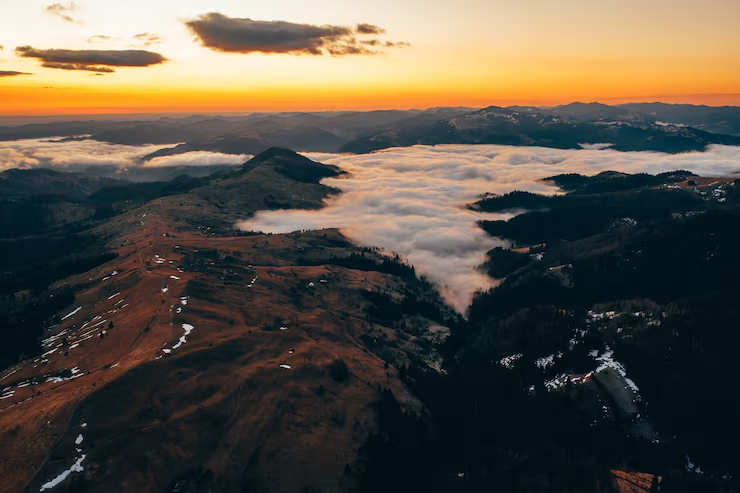
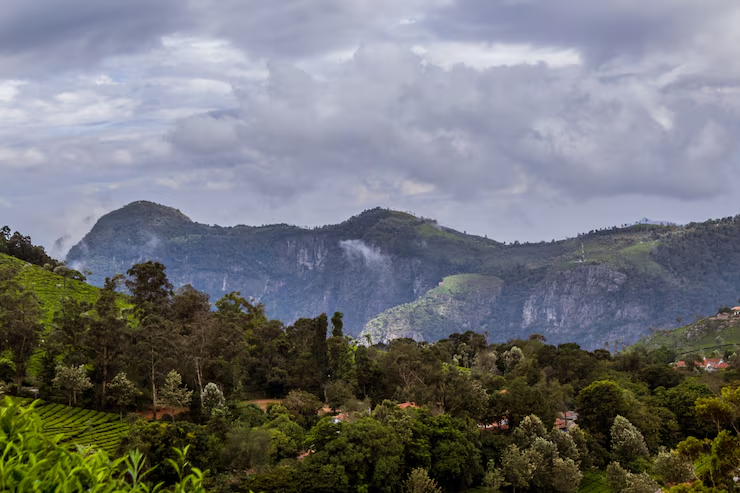
Known as the “Land of a Thousand Hills,” Rwanda is a lush, mountainous country in East Africa, bordered by Uganda, Tanzania, Burundi, and the Democratic Republic of Congo. Its terrain is dominated by rolling green hills, volcanic peaks, and sparkling lakes like Lake Kivu. Rwanda’s diverse landscapes include tropical rainforests, misty volcanoes, and vast savannas teeming with wildlife, making it one of Africa’s most scenic and biodiverse destinations.
Climate
Rwanda enjoys a mild tropical highland climate due to its elevation. Temperatures remain moderate year-round, with two dry seasons and two rainy seasons.
Pleasant & Sunny — 20–30°C
Warm & Wet — 15–25°C



Tourism Highlights
Landmarks & Heritage Sites
- Kigali Genocide Memorial – A moving tribute to Rwanda’s resilience and peace
- King’s Palace Museum, Nyanza – Traditional royal residence showcasing Rwandan monarchy
- Ethnographic Museum, Huye – Displays of Rwanda’s cultural and artistic heritage
- Nyamata & Ntarama Genocide Memorial Churches – Historical remembrance sites
- Kandt House Museum – Dedicated to natural history and Rwanda’s colonial past
Cultural Experiences
National Parks & Natural Reserves


Adventures & Activities
- Trek endangered mountain gorillas in Volcanoes National Park
- Canopy walk and primate tracking in Nyungwe Forest
- Safari drives and birdwatching in Akagera National Park
- Boat cruise on Lake Kivu and island hopping
- Explore Kigali’s vibrant art, fashion, and café scene
- Hike Mount Bisoke or Karisimbi volcano for stunning panoramic views
Local Culture & Lifestyle
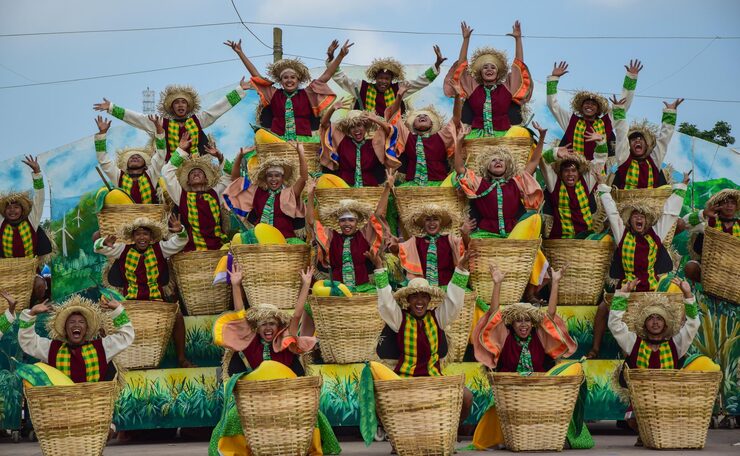
Festivals & Events
Local Food & Cuisine
Ugali: Thick maize porridge served with vegetables or meat
Brochettes: Grilled meat skewers, a street-food favorite
Akabenz: Fried pork served with plantains or chips
Ibihaza: Pumpkin mixed with beans — a traditional Rwandan comfort food
Art & Music
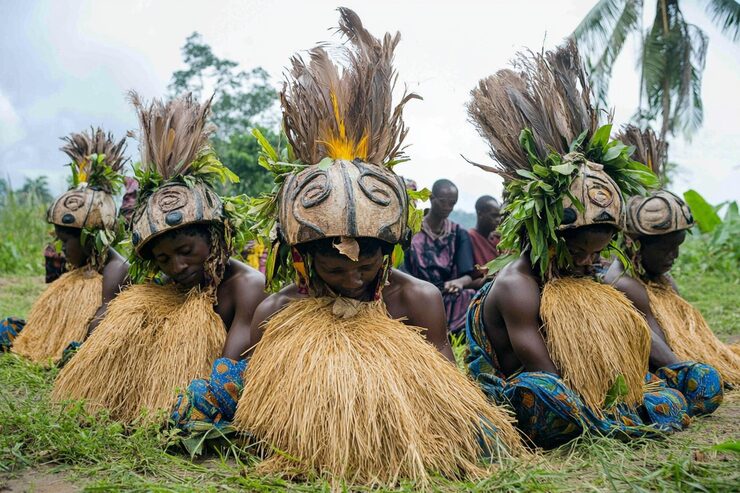
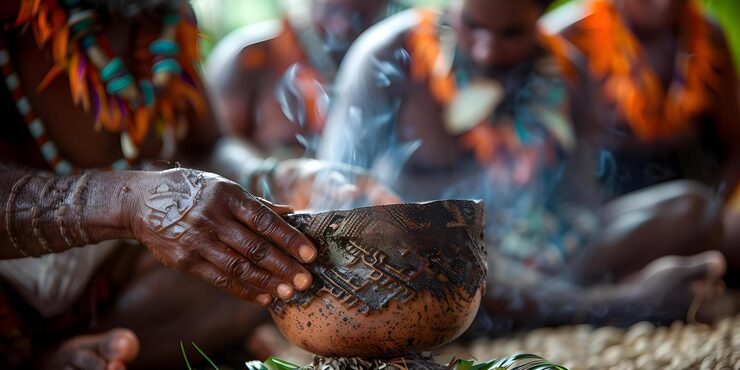
- Traditional Intore dance — Rwanda’s iconic warrior dance of pride and grace
- Drumming traditions featuring powerful Inanga (harp) and Ingoma (drums)
- Contemporary art scene thriving in Kigali’s Inema Arts Center
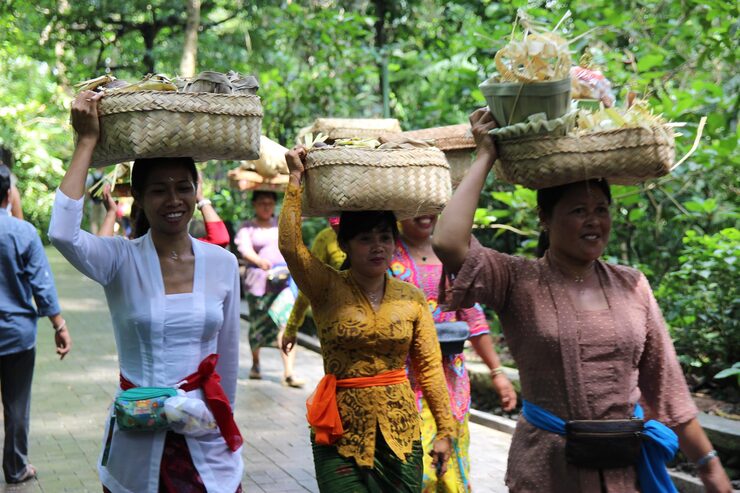
- Handwoven baskets (Agaseke) symbolizing peace and unity
Local Markets


Travel Essentials
- Visa: Most travelers can obtain an eVisa or visa on arrival valid for 30 to 90 days. Ensure your passport has at least 6 months validity.
- Transport: International flights arrive at Addis Ababa Bole International Airport. Domestic routes connect major cities like Lalibela, Gondar, and Bahir Dar.
- Accommodation: Options range from eco-lodges and budget guesthouses to international hotels in Addis Ababa and tourist hubs.
- Budget: $40–70 (budget), $100–200 (mid-range), $300+ (luxury eco-resorts or historical lodges).
- Safety: Generally safe for tourists. Avoid border areas and always respect local traditions and religious customs.
Fun Facts & Highlights
- Trivia: Ethiopia follows its own calendar — it’s about seven years behind the Gregorian year!
- Hidden Gems: Explore the Bale Mountains for wildlife and Simien Mountains for epic trekking views.
- Movies: Featured in documentaries highlighting the origins of coffee and ancient Christian heritage.
- Insta Spots: Lalibela rock-hewn churches, Blue Nile Falls, Danakil Depression, and Lake Tana monasteries.
Quick Guide
A handy travel guide to Namibia — covering local etiquette, power details, currency, recommended hotels, souvenirs, and useful Afrikaans phrases to enhance your journey.
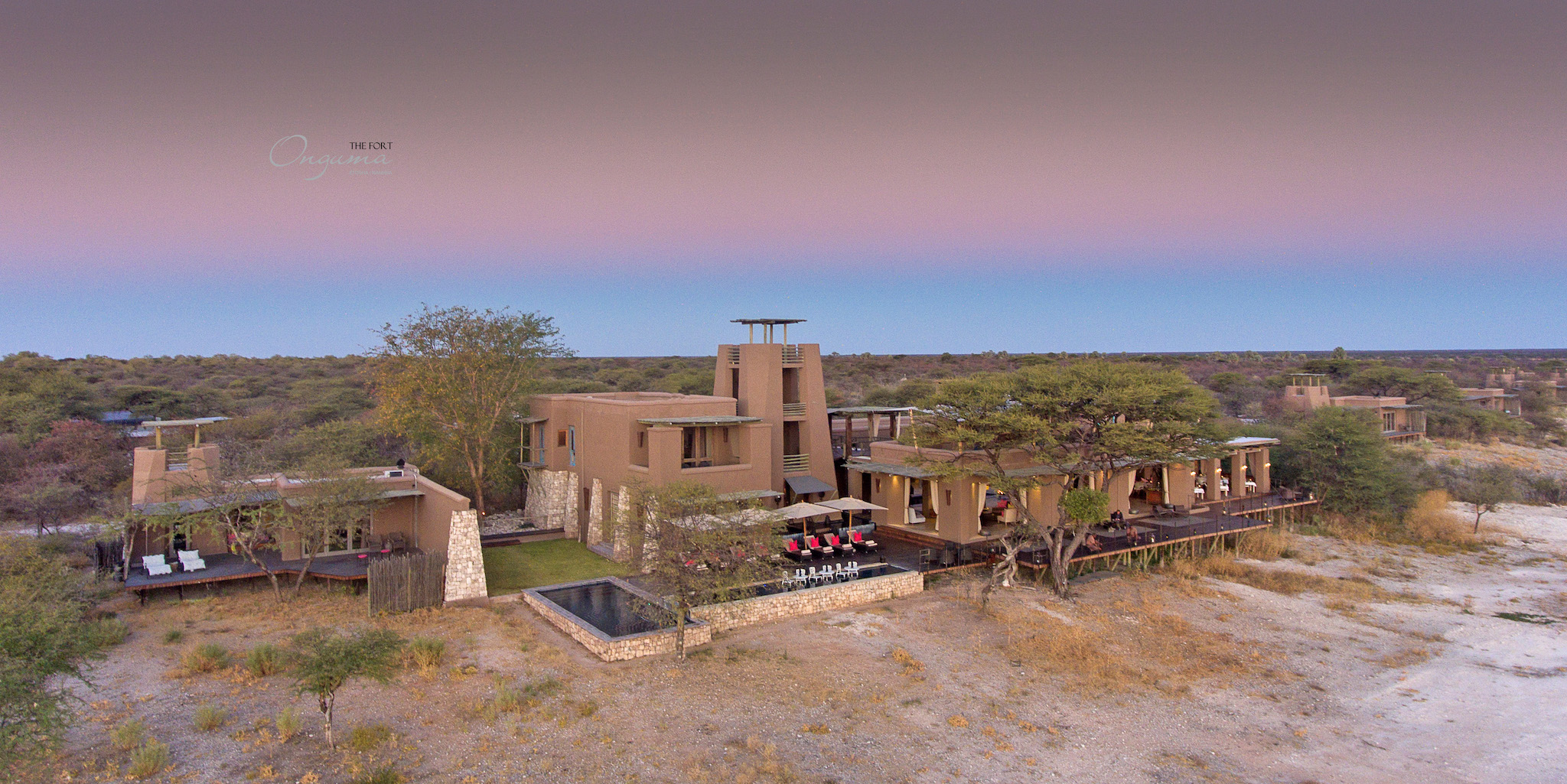
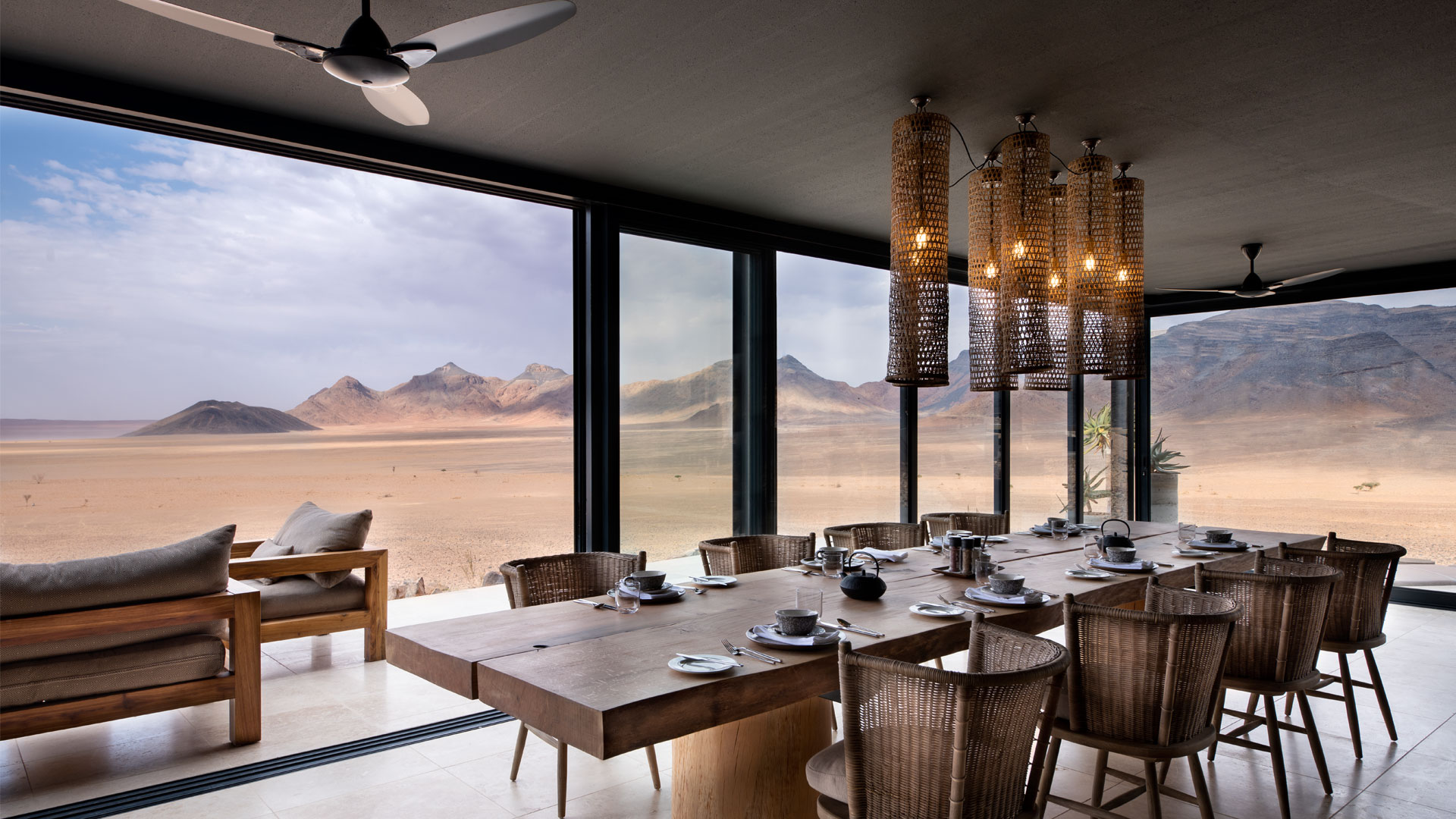
Top Hotels

Top Souvenirs
Handcrafted wooden animals, Himba jewelry, woven baskets, ostrich eggshell art, and gemstones.
Common Phrases (Afrikaans)
- Hello: Hallo
- Thank You: Dankie
- Please: Asseblief
- Goodbye: Totsiens
Quick Tips
- Carry cash for remote areas; cards accepted mainly in cities.
- Avoid driving at night due to wildlife on roads.
- Use eco-friendly sunscreen and respect protected desert areas.
- Drink bottled water and keep hydrated during safaris or hikes.
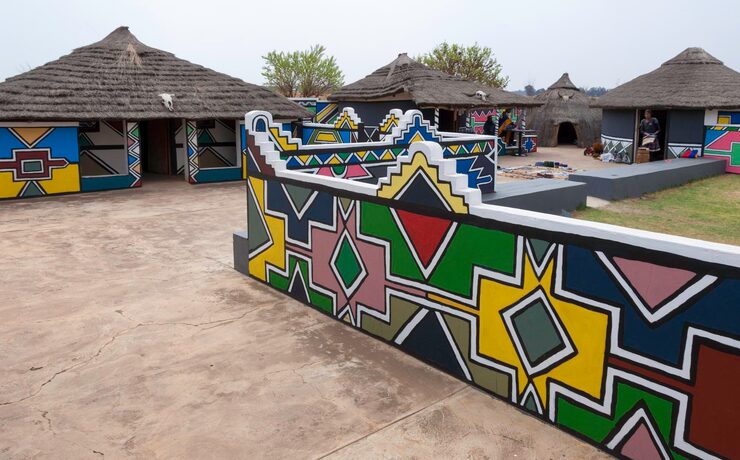
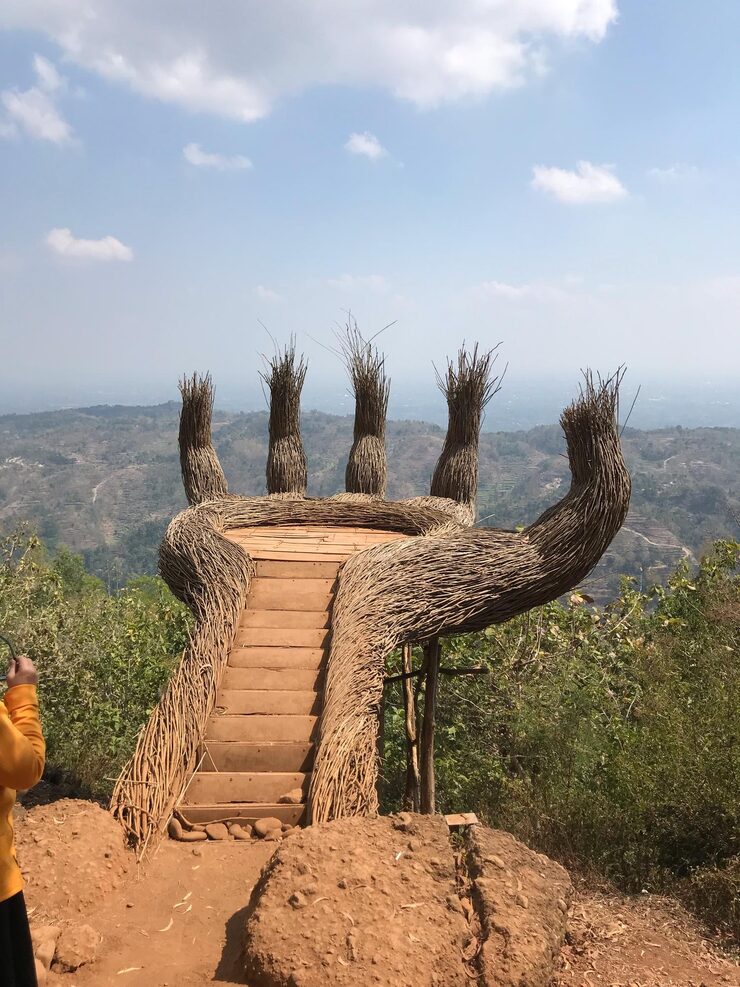
Gallery Highlights


Travel Tips & Warnings
Do’s & Don’ts
- Keep your passport and identification with you at all times.
- Carry sufficient fuel and water when traveling through desert regions like Namib or Skeleton Coast.
- Respect wildlife distances in Etosha National Park — never exit your vehicle in restricted areas.
- Don’t drive at night outside towns; wildlife crossing is common.
- Avoid speeding — traffic laws are strict, and roadblocks are frequent.
- Greet locals politely and dress modestly in rural or tribal regions.
Discover Rwanda, Your Way
Pristine rainforests, rare primates, and Africa’s most refined safaris.
Volcanoes Gorilla Trek
Track mountain gorillas in the misty forests of Volcanoes National Park.
Explore TripNyungwe Forest Canopy Walk
Chimpanzee tracking and treetop walks in ancient rainforest.
Explore TripLake Kivu Relaxation Escape
Serene lakeside stays with views of volcanic hills and calm waters.
Explore Trip