
Basic Information - Madagascar 🇲🇬
Geography & Landscape
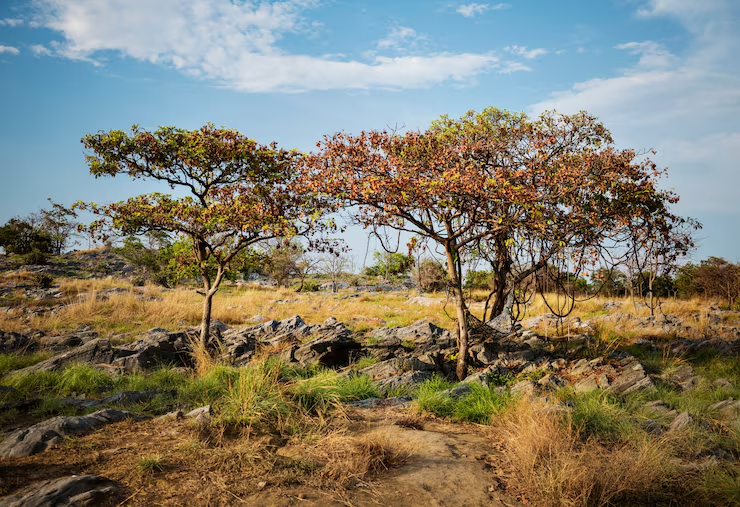
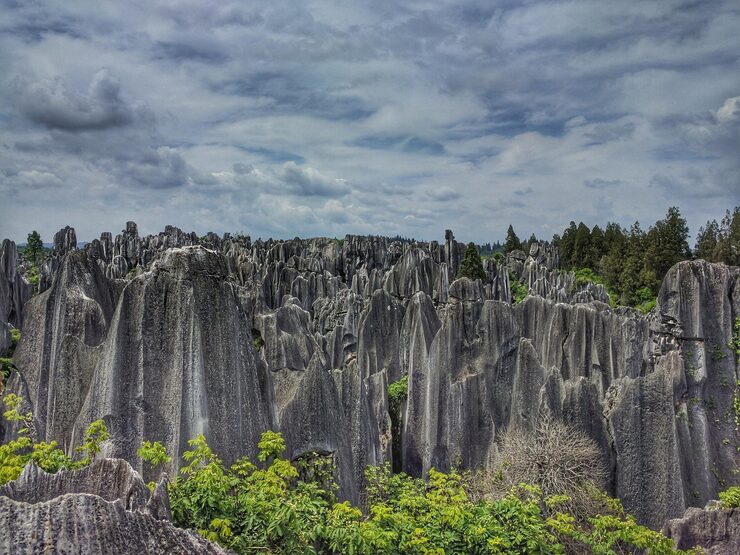
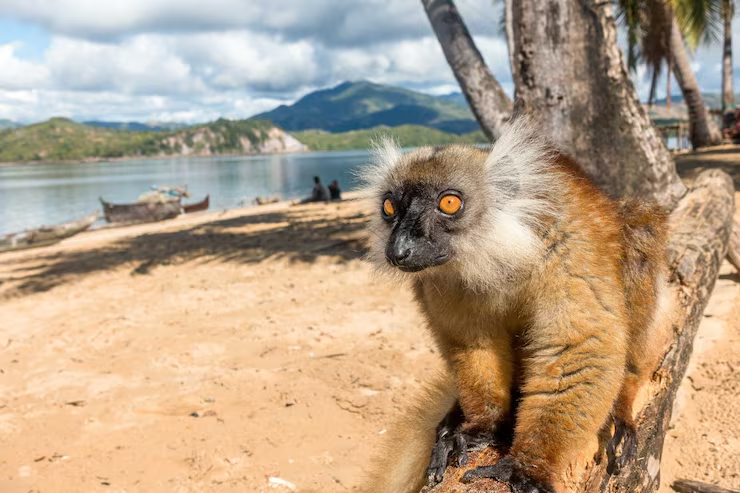
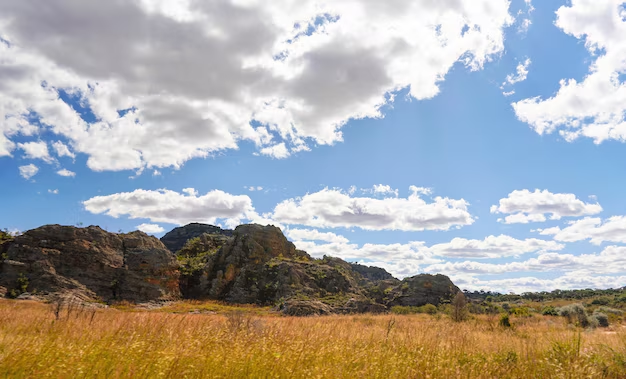
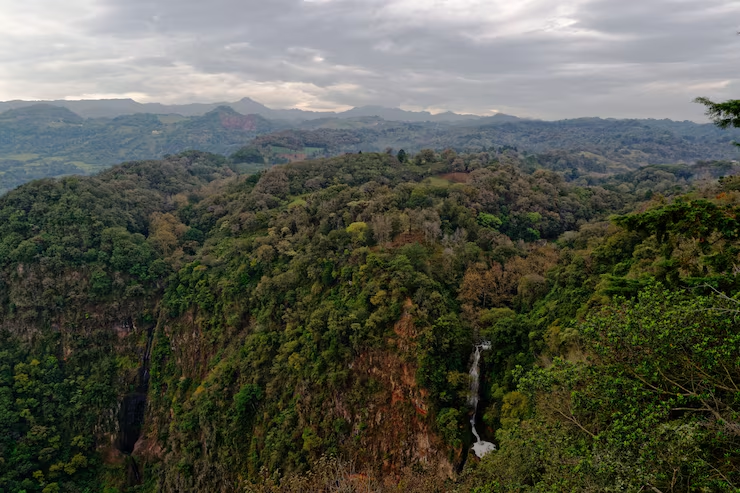
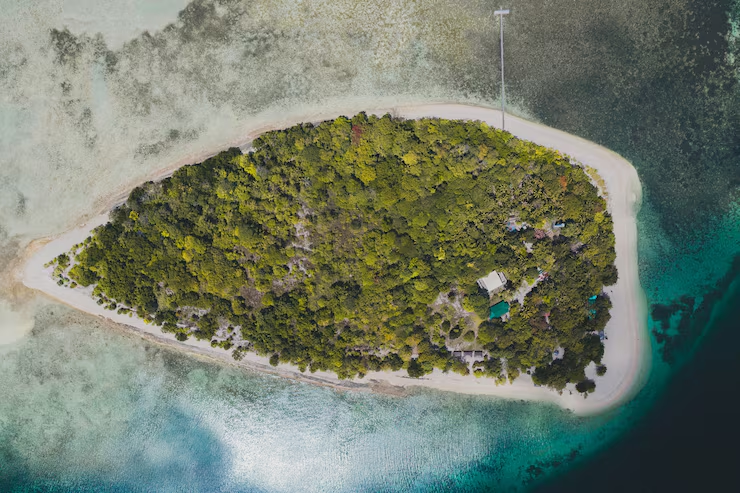
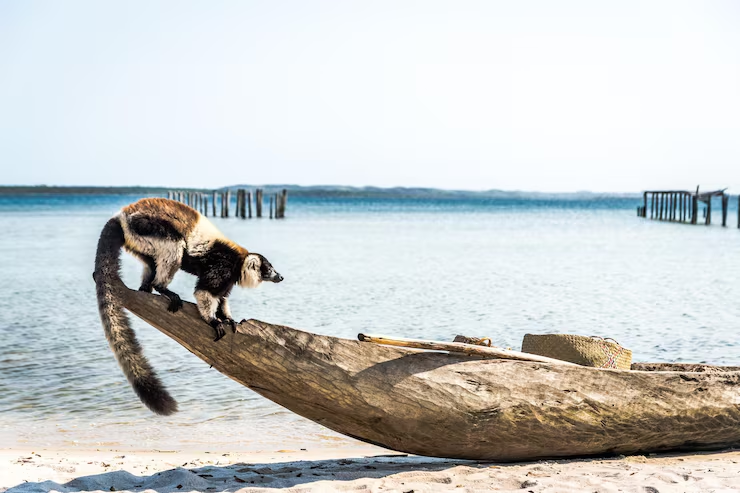
Madagascar, the world’s fourth-largest island, is a land of incredible biodiversity and dramatic contrasts. From the iconic Avenue of the Baobabs to the jagged stone forests of Tsingy de Bemaraha, the country’s landscape ranges from tropical rainforests and coral islands to arid deserts and high plateaus. It’s home to wildlife found nowhere else on Earth — 90% of its species are endemic.
Climate
Madagascar experiences a tropical climate with distinct wet and dry seasons. Coastal areas are warm and humid, the highlands are cooler, and the south is dry and desert-like.
Pleasant & Dry — 15–25°C
Hot & Humid — 25–35°C
Tourism Highlights - Madagascar 🇲🇬
Monuments & Heritage
- Rova of Antananarivo – Former royal palace complex overlooking the capital
- Ambohimanga – UNESCO World Heritage royal hill and spiritual center of Madagascar
- Fort Manda – 19th-century coastal fortress in Mahavelona
Cultural & Historical Sites
National Parks & Natural Reserves
Adventures & Activities
- Walk along the iconic Avenue of the Baobabs at sunset
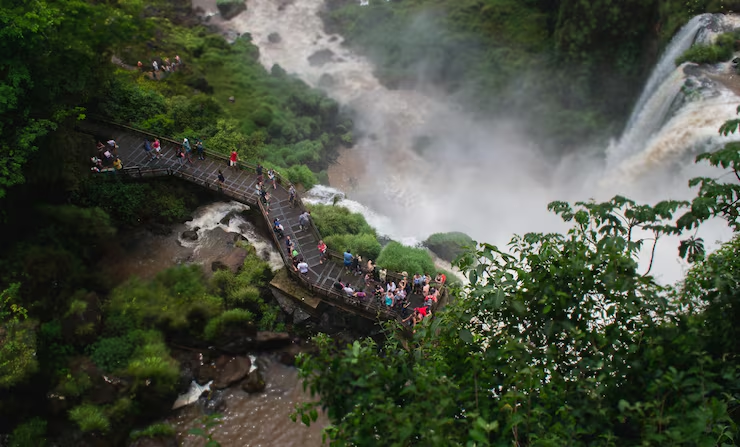
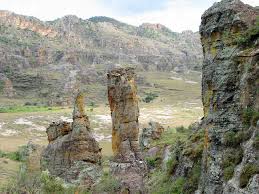
- Hike through Isalo National Park’s canyons and natural pools
- Snorkel and dive around Nosy Be and Île Sainte-Marie
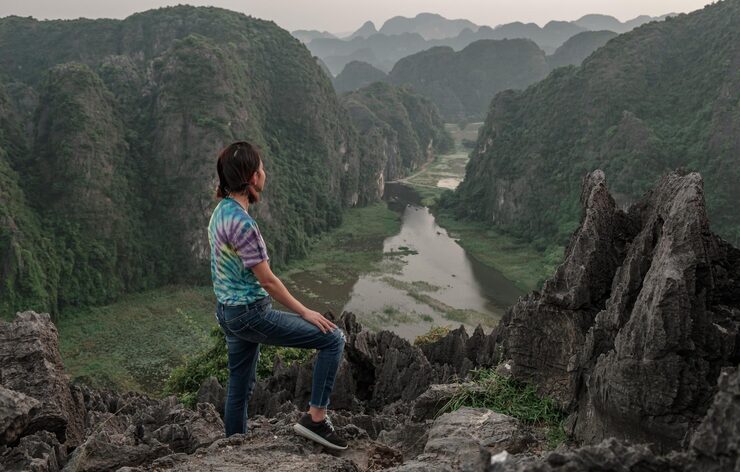
- Explore limestone formations in Tsingy de Bemaraha
- Discover lemurs and chameleons in Ranomafana Rainforest
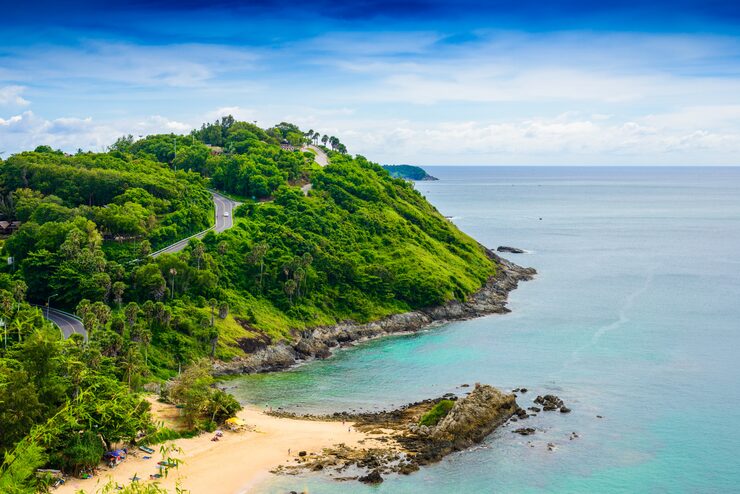
- Relax on pristine beaches in Ifaty and Anakao
Local Culture & Lifestyle - Madagascar 🇲🇬
Festivals & Events
Local Food & Cuisine
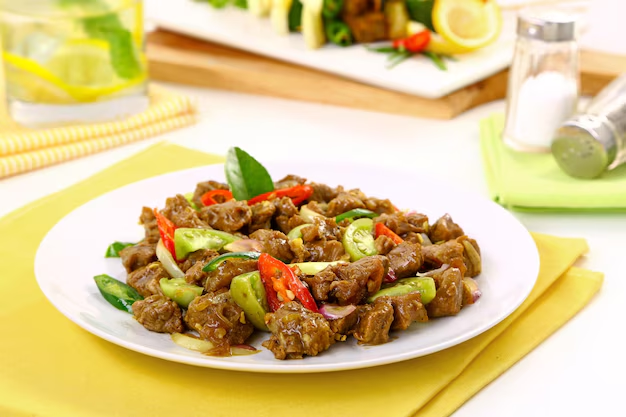
Ravitoto: Pork cooked with ground cassava leaves and garlic.
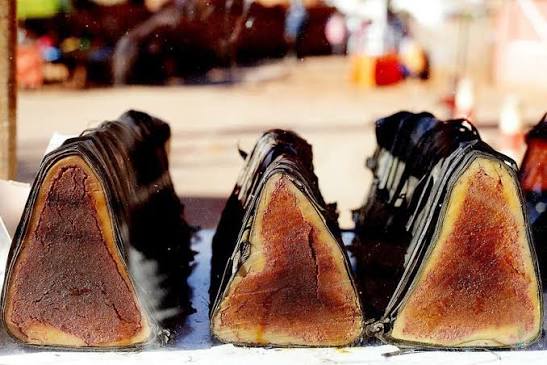
Koba: Sweet banana cake made with rice flour and peanuts, wrapped in banana leaves.
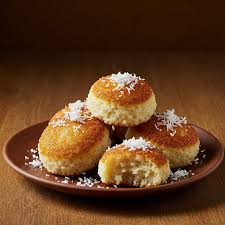
Mofo Gasy: Popular Malagasy breakfast rice cake, slightly sweet and served with coffee.
Lasary: Pickled vegetables such as carrots, cabbage, or green beans served as a side dish.
Ranovola: Traditional rice water drink enjoyed after meals.
Art & Music
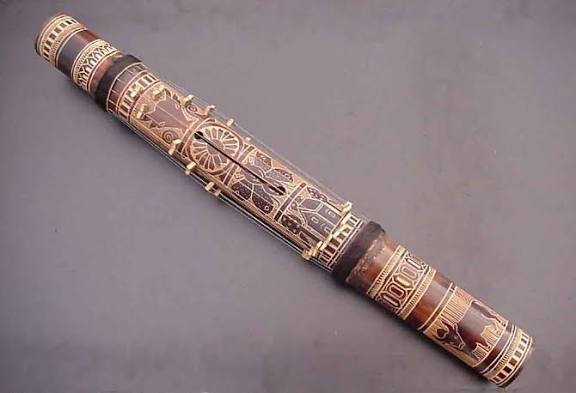
- Traditional Malagasy music blends African, Asian, and European influences using instruments like the valiha (bamboo zither).
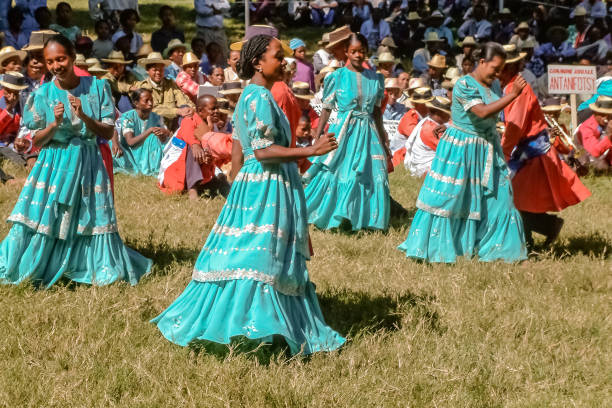
- Hira Gasy – open-air musical theater combining dance, oratory, and songs.
- Colorful handmade crafts and wood carvings showcase Malagasy artistry and symbolism.
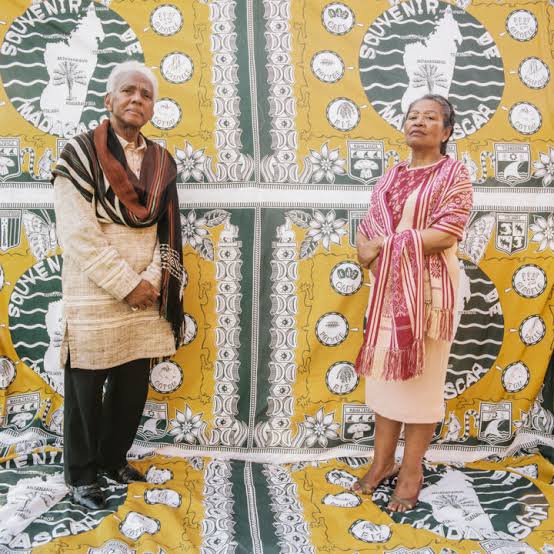
- Lamba – traditional woven cloth worn by both men and women, symbolizing Malagasy identity.
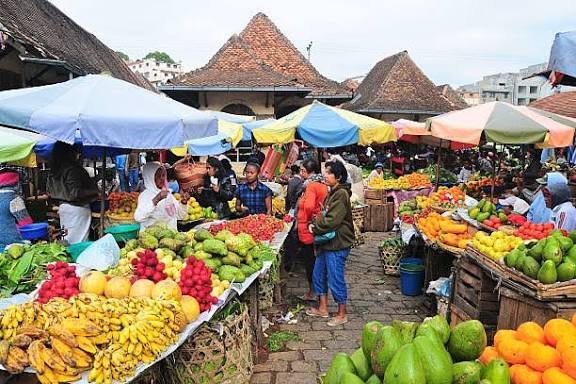
Local Markets
Travel Essentials
- Visa: E-visa available online; visa-on-arrival also offered at Ivato International Airport (Antananarivo) for most travelers.
- Transport: Domestic flights (Tsaradia & Madagascar Airlines), long-distance taxis (taxi-brousse), and car rentals for regional travel.
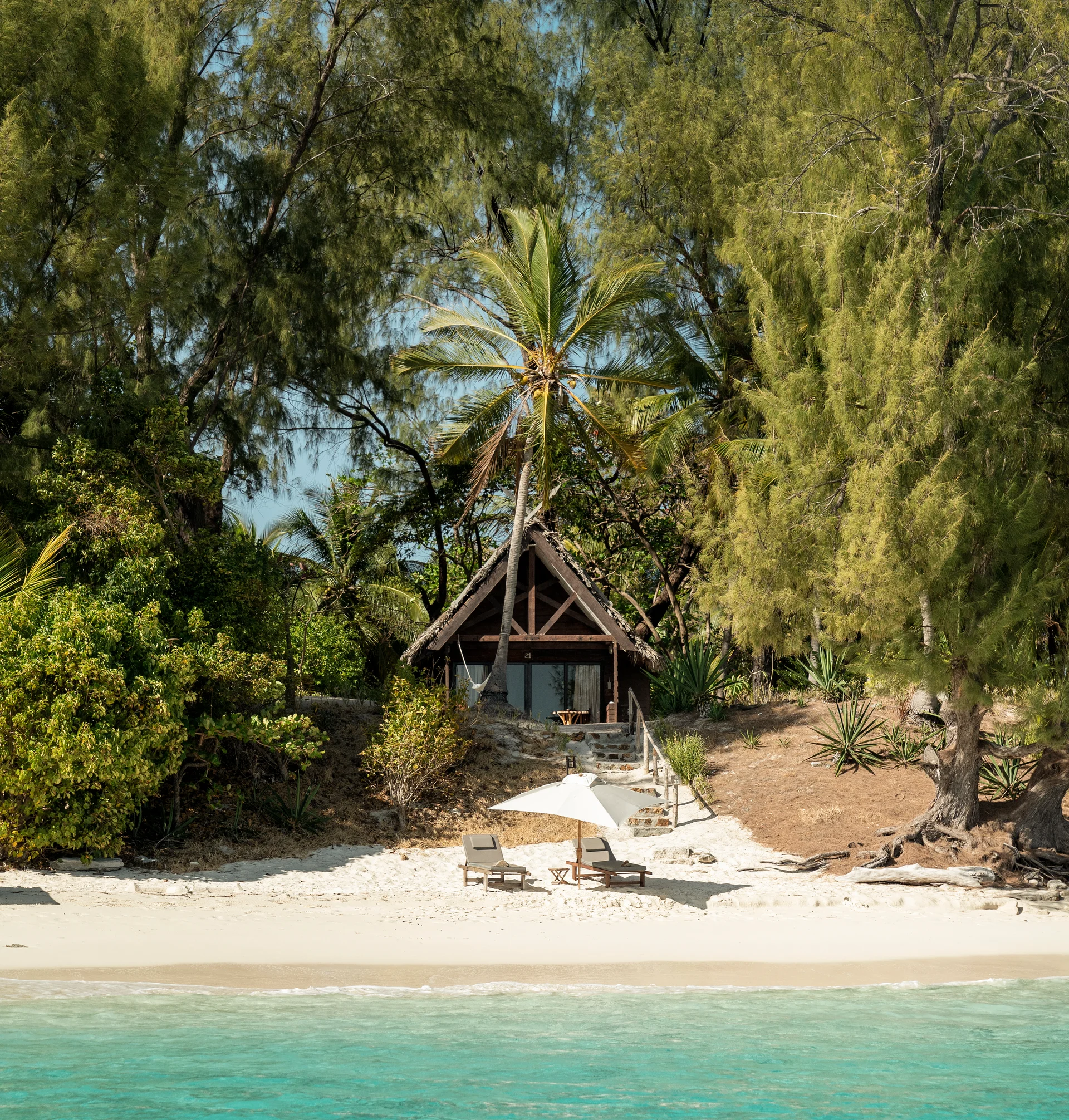
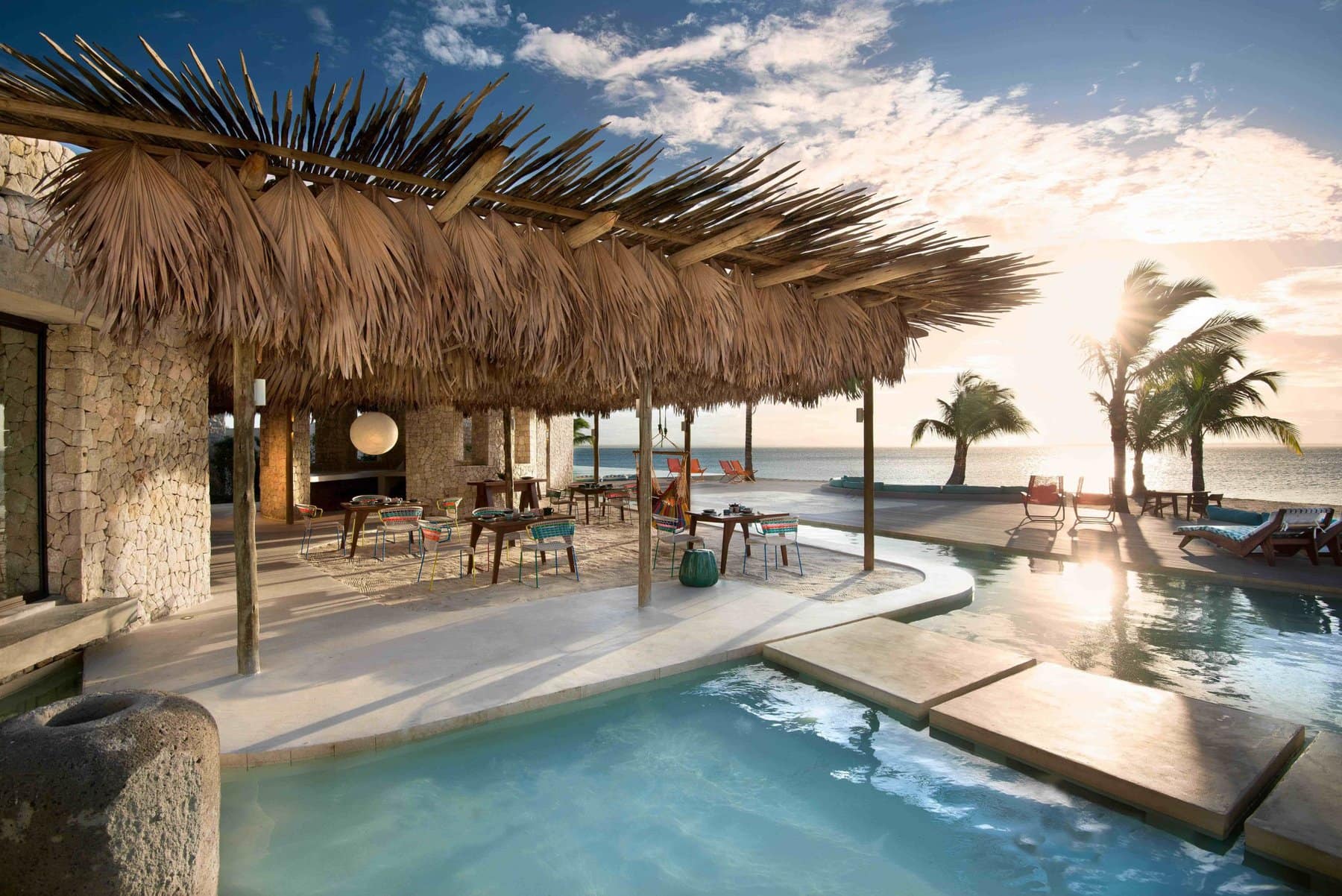
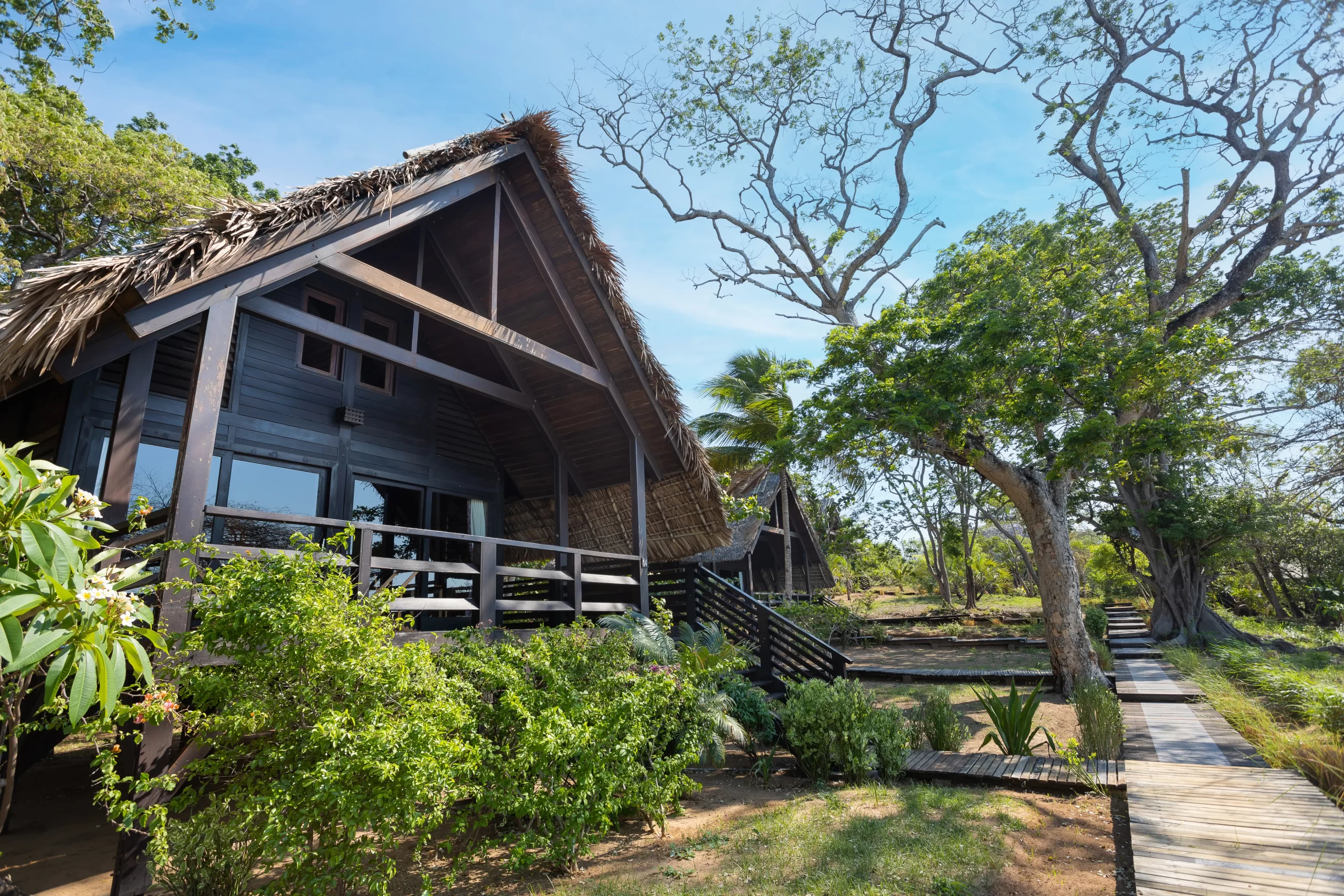
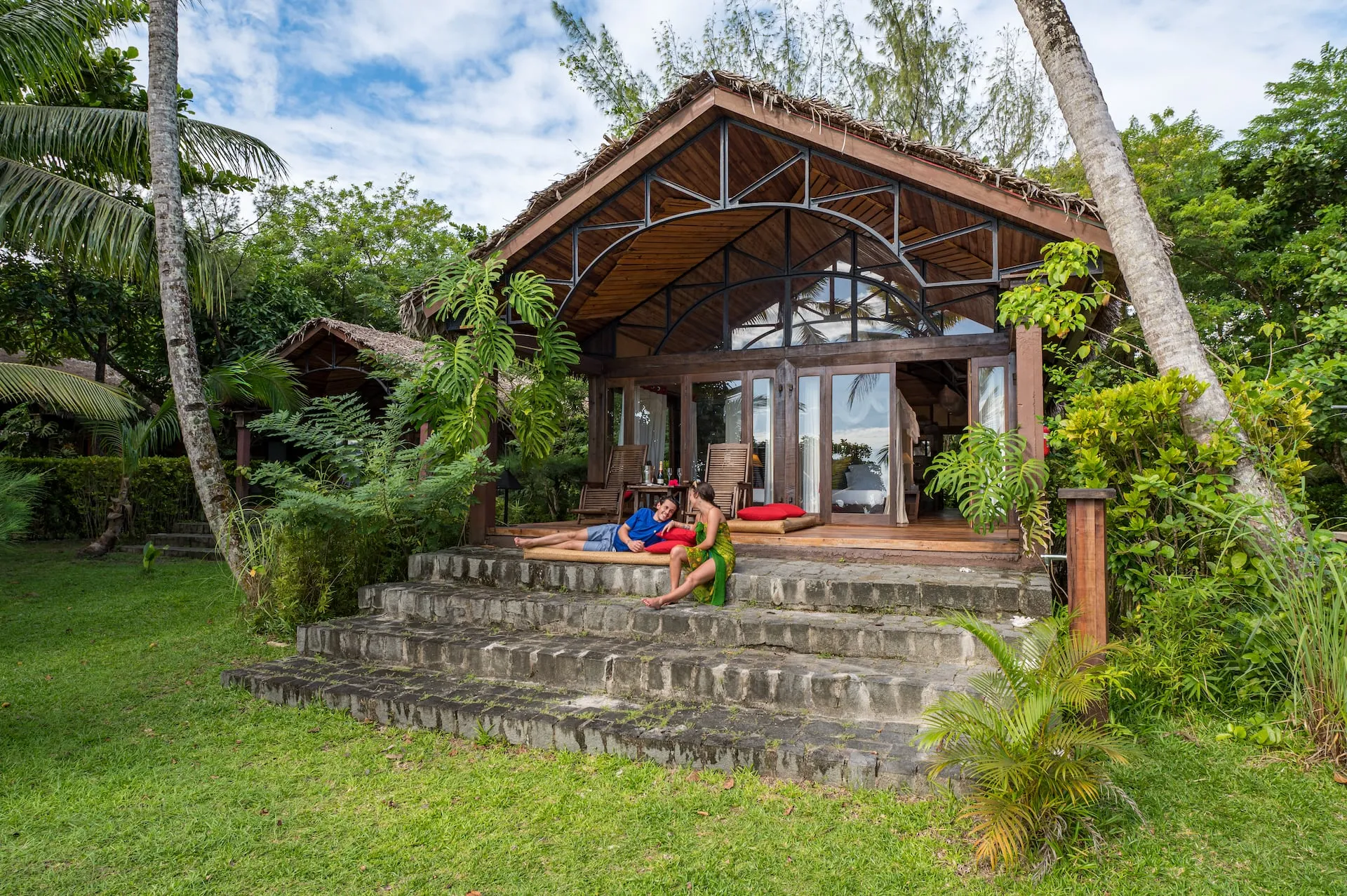
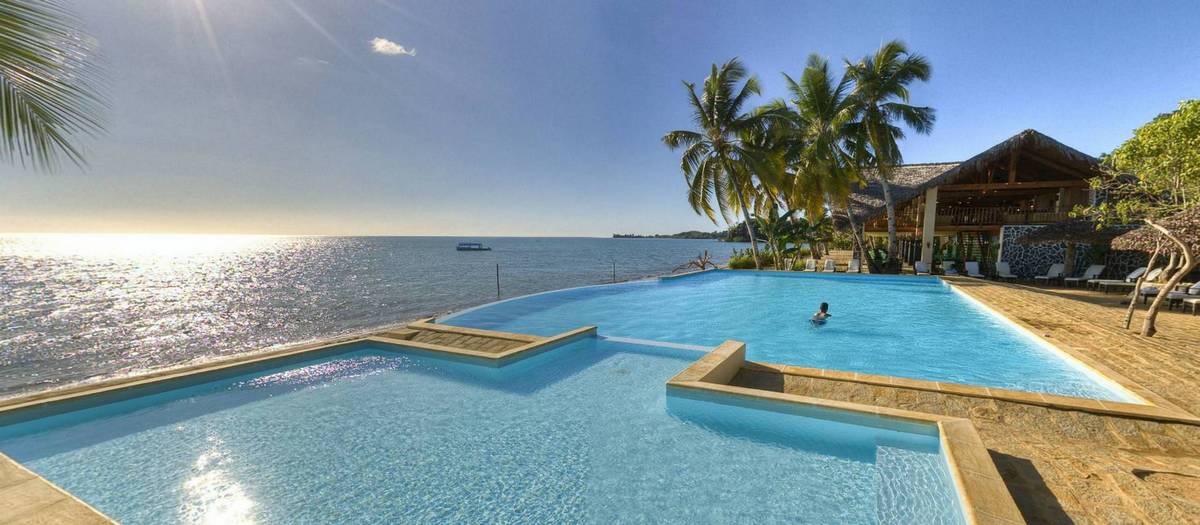
- Accommodation: Options range from beach resorts in Nosy Be and eco-lodges in Andasibe to budget guesthouses in Antananarivo.
- Budget: $40–70 (budget), $90–180 (mid-range), $250+ (luxury beachfront or nature lodges).
- Safety: Generally safe; exercise caution at night and during travel in remote or less developed areas.
Fun Facts & Highlights
- Trivia: Around 90% of Madagascar’s wildlife is found nowhere else on Earth — including lemurs and baobab trees.
- Hidden Gems: Explore the limestone pinnacles of Tsingy de Bemaraha and the lush rainforests of Andasibe-Mantadia National Park.
- Movies: Inspired DreamWorks’ animated film “Madagascar”, highlighting the island’s unique wildlife.
- Insta Spots: Don’t miss the Avenue of the Baobabs, Nosy Be beaches, and Isalo National Park canyons.
Quick Guide
A handy guide for travelers highlighting Ethiopia’s top attractions, local cuisine, accommodations, souvenirs, and essential phrases to help you plan your trip efficiently and enjoy the country’s rich culture and landscapes.
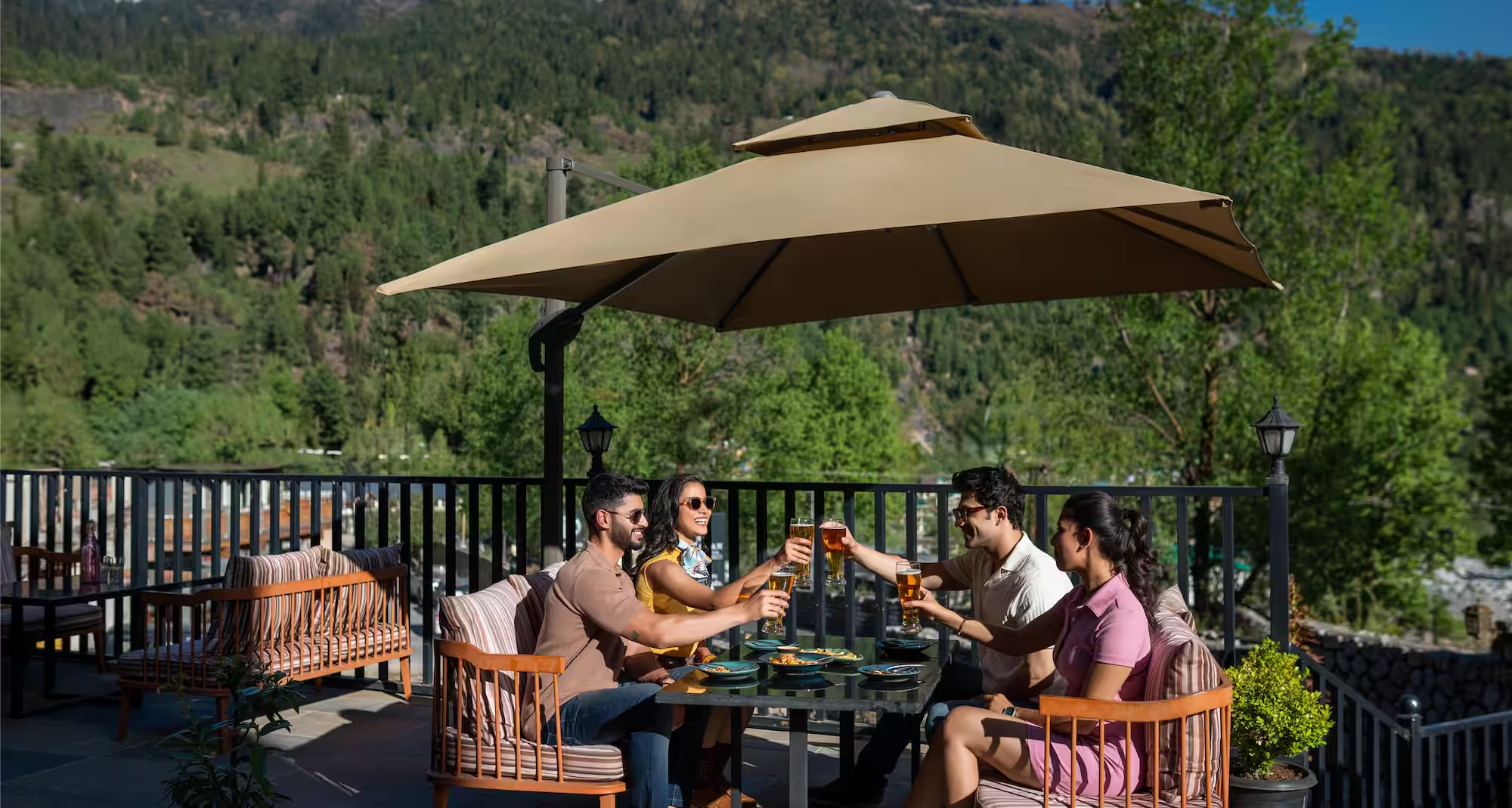
Top Hotels
Top Souvenirs
Ethiopian coffee beans, handwoven scarves (netela), silver crosses, leather crafts, and traditional paintings.
Common Phrases
- Hello: Selam
- Thank You: Amesegenallo
- Please: Ebakih (to a man) / Ebakish (to a woman)
Quick Tips
- Try local dishes like injera and doro wat — but be prepared for spice!
- Dress modestly when visiting churches and monasteries.
- Cash is preferred in small towns; ATMs mostly in major cities.
- Altitude may affect breathing — stay hydrated and rest well.
Gallery Highlights
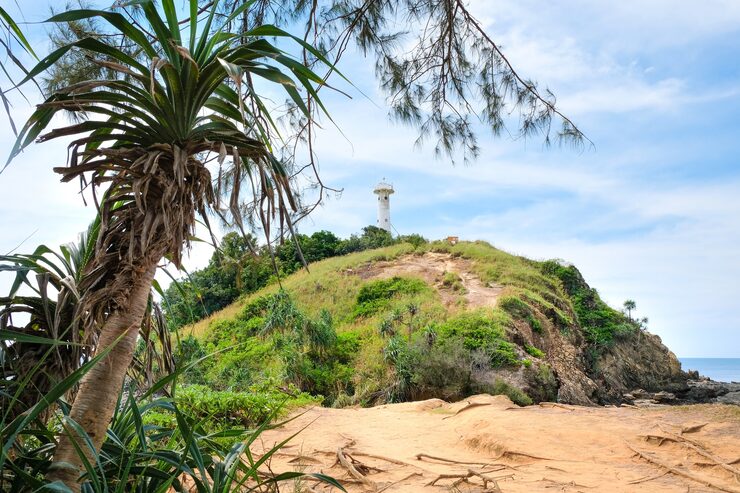
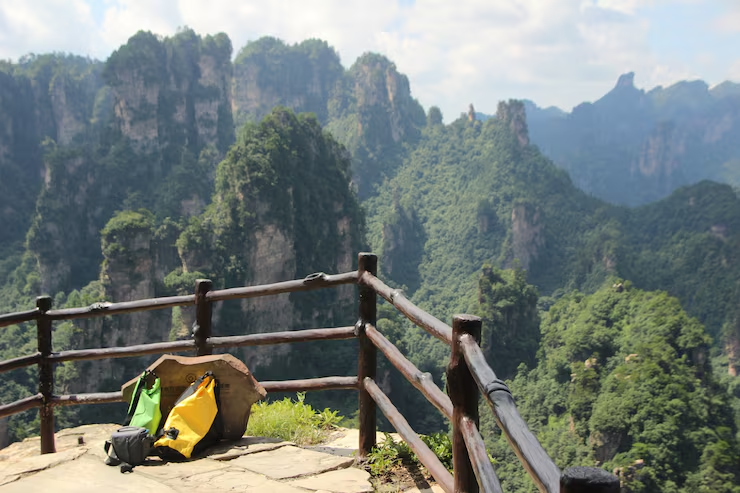
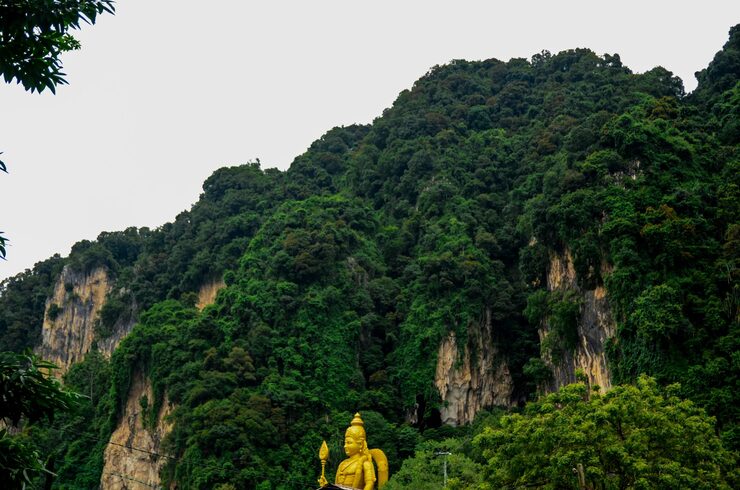
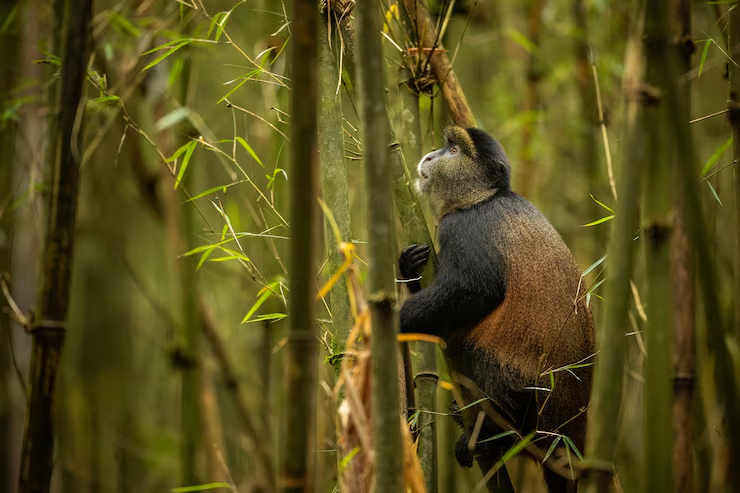
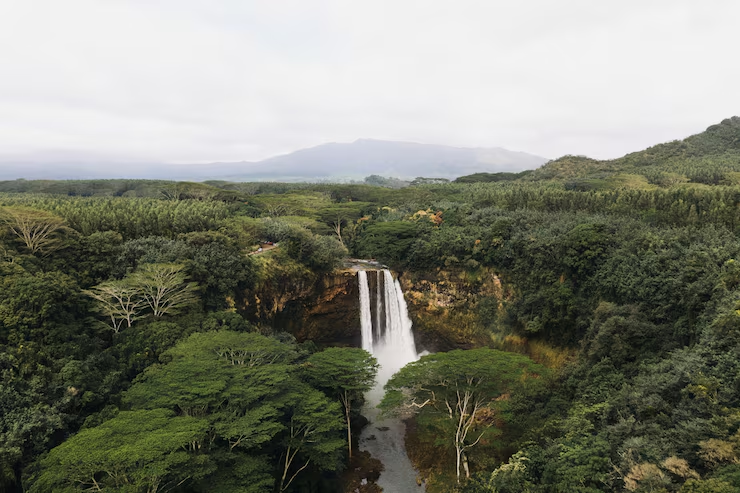
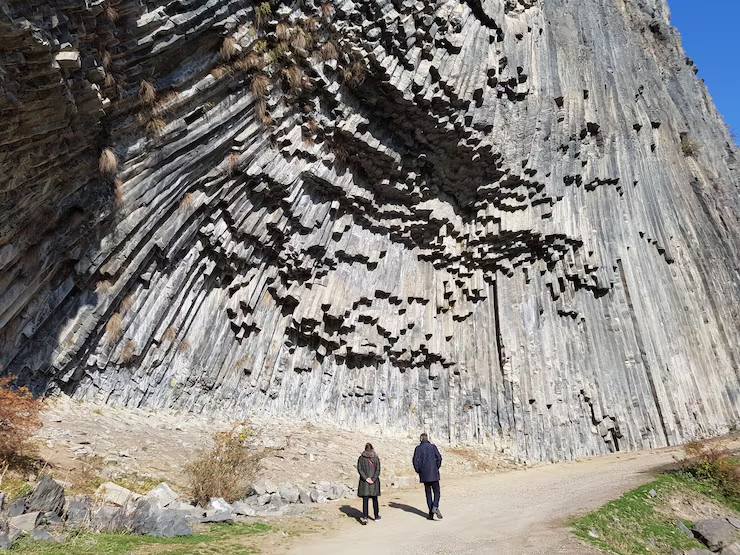
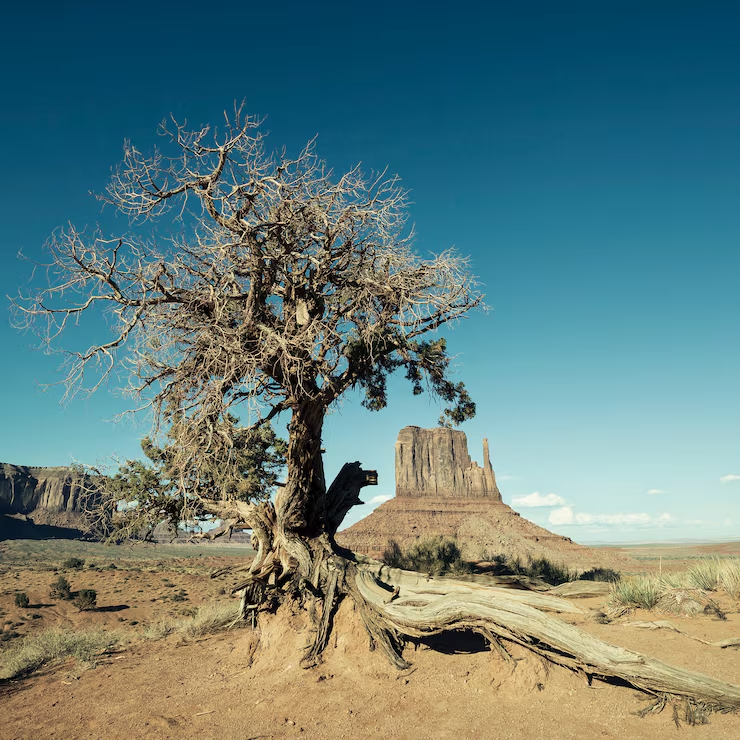
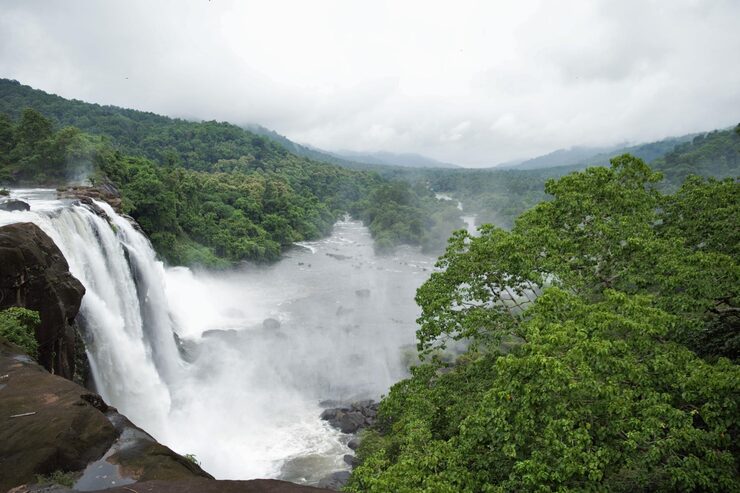
Travel Tips & Warnings
Do’s & Don’ts
- Dress modestly, especially when visiting mosques or rural areas.
- Carry small cash for tips (“baksheesh”) and minor purchases.
- Don’t photograph military buildings or checkpoints.
- Respect local customs during Ramadan and religious festivals.
Discover Madagascar, Your Way
Tailored adventures across wild rainforests, unique wildlife, and pristine coastlines.
Avenue of the Baobabs & Morondava
Witness the magical sunset among ancient baobabs, explore Kirindy Reserve, and meet Madagascar’s unique wildlife.
From £4,700 per person excl. flights Explore TripNosy Be Island Escape
Relax on soft white beaches, dive vibrant coral reefs, and enjoy sunset cruises around Madagascar’s tropical isles.
From £5,200 per person excl. flights Explore TripTsingy Adventure & West Coast
Explore the stone forests of Bemaraha, cross hanging bridges, and uncover the rugged beauty of western Madagascar.
From £5,800 per person excl. flights Explore TripRainforest Wildlife Expedition
Journey through Andasibe-Mantadia National Park to encounter lemurs, chameleons, and the vibrant heart of Madagascar’s wilderness.
From £4,300 per person excl. flights Explore Trip