
Basic Information - Bhutan 🇧🇹
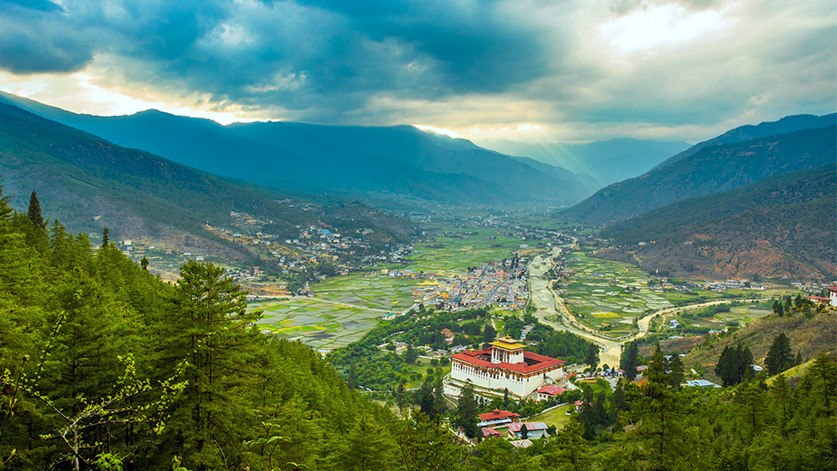
Geography & Landscape
Climate
Bhutan's climate varies dramatically by altitude, from subtropical warmth in the south to alpine chill in the north, with monsoons shaping lush summers and crisp, clear autumns ideal for treks and festivals. Travelers can experience a mix of warm valleys, snow-capped peaks, and cool highlands depending on the season.
15–30°C, Jun–Sep (wet monsoon season)
10–25°C, Mar–May (spring), Sep–Nov (autumn)
0–10°C, Dec–Feb (dry winter)
Tourism Highlights
Monuments
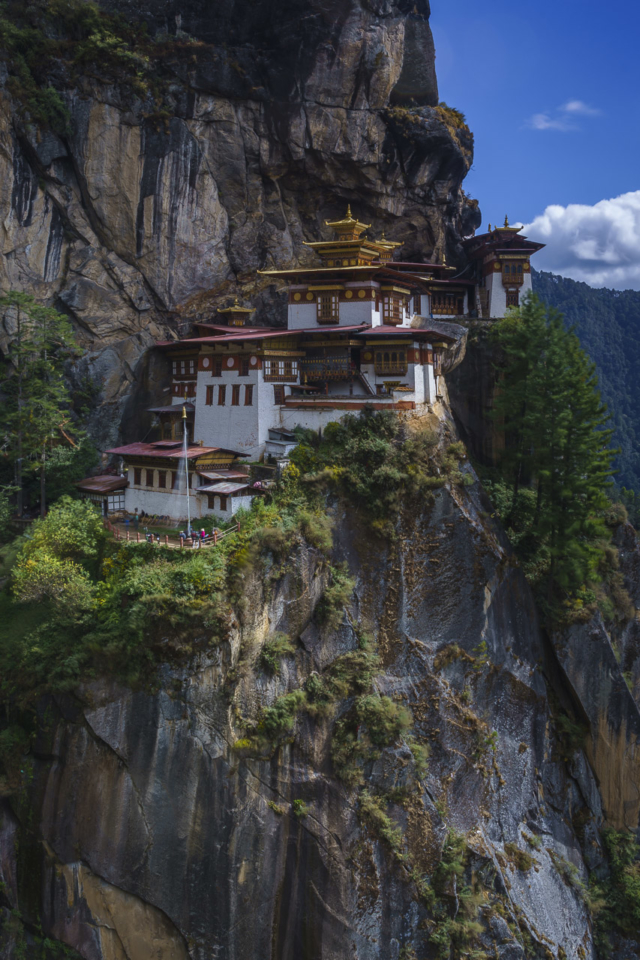
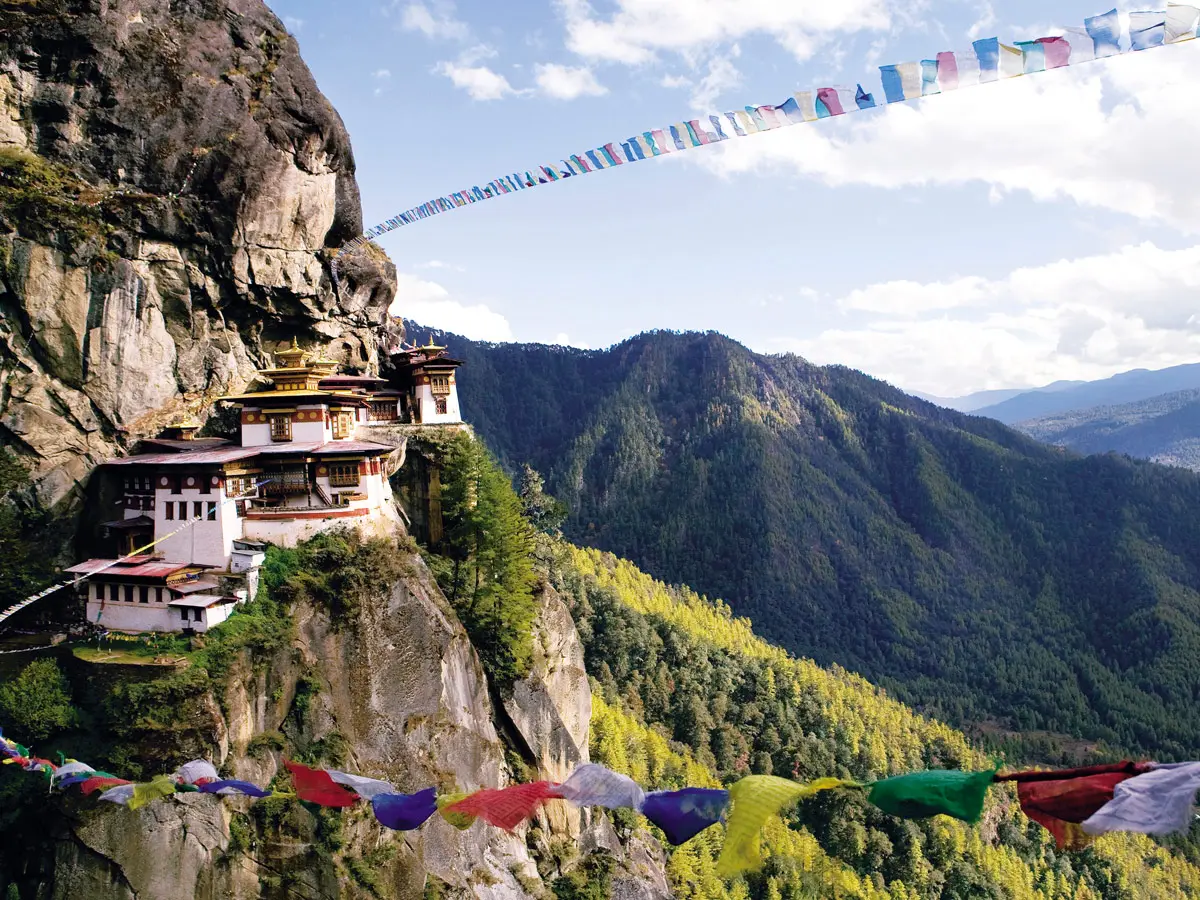
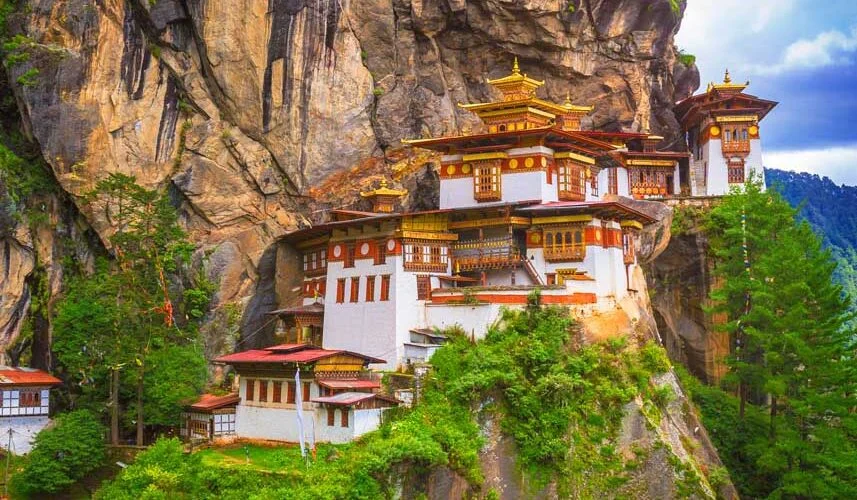
- Paro Taktsang - Iconic cliffside monastery reached by mule or hike, founded by Guru Rinpoche
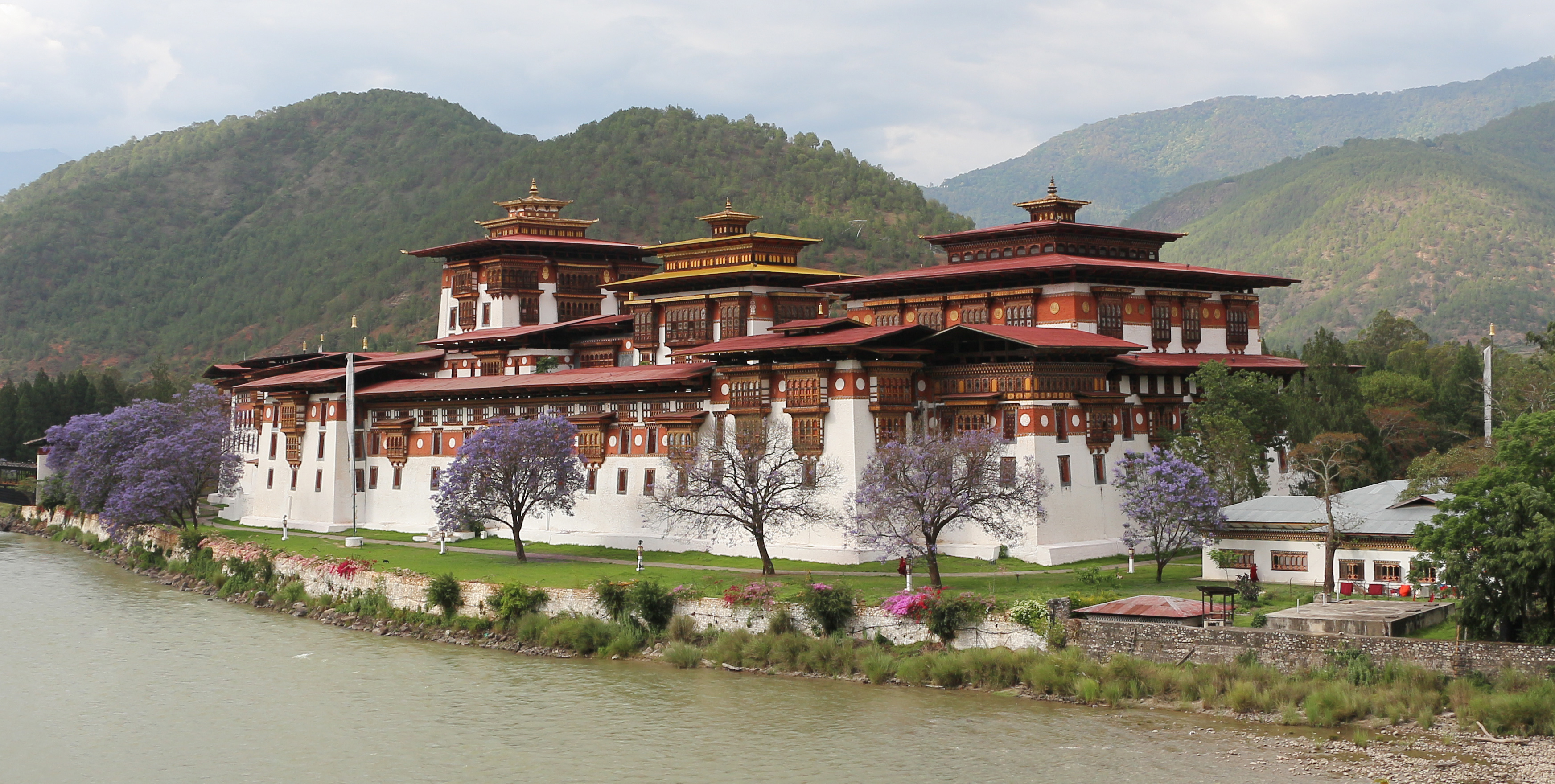
- Punakha Dzong - Majestic fortress at river confluence, winter residence of monastic body
- Memorial Chorten - Thimphu landmark with golden spire and daily prayer wheels
Cultural & Historical Sites
National Parks & Natural Reserves

Adventures & Activities
- Hiking to Paro Taktsang Monastery via forested trails
- Soaking in traditional hot stone baths in Lobesa village
- Participating in archery festivals with locals
- Birdwatching for over 670 species in Phobjikha Valley
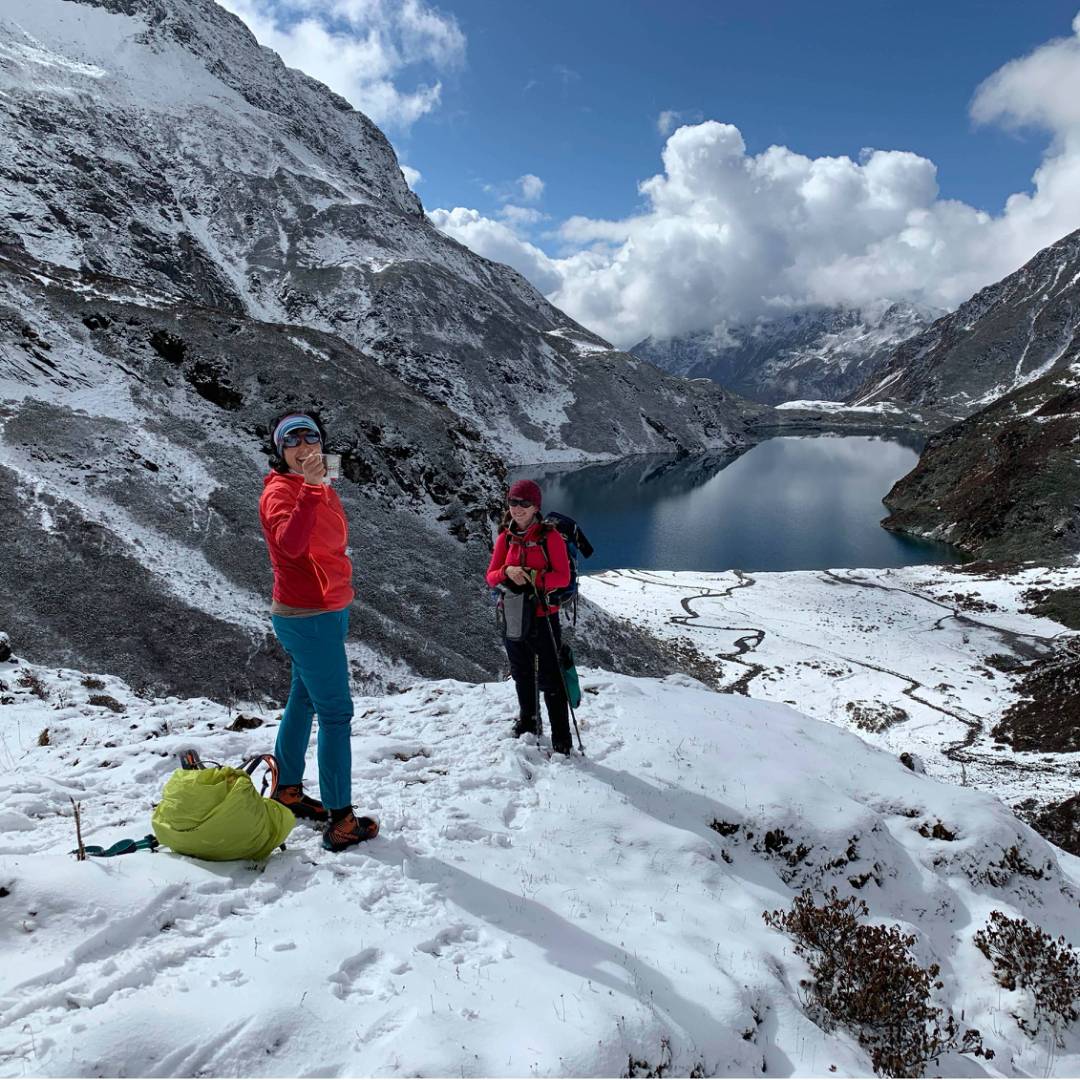
- Trekking the Snowman Trek through high passes
- River rafting on the Mo Chhu with Himalayan backdrops
Local Culture & Lifestyle
Festivals & Events
Local Food & Cuisine
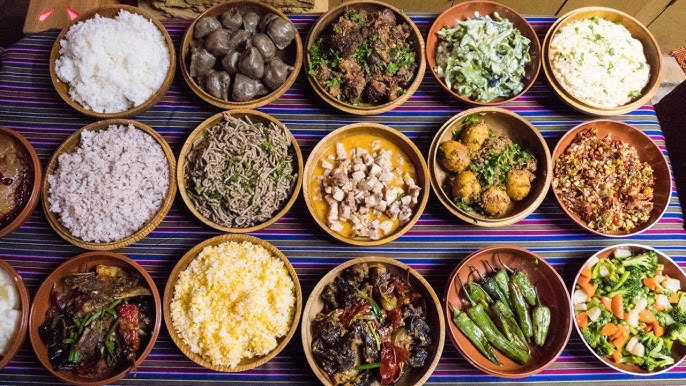
Momos: Steamed pork or veggie dumplings with spicy sauce
Red Rice: Nutty Bhutanese staple served with curries
Suja: Buttery salted tea for warmth
Datshi Pakam: Creamy fern and cheese stir-fry
Art & Music
- Thangka paintings - Vibrant Buddhist scrolls depicting deities
- Tshechu masks - Elaborate wooden faces for ritual dances
- Folk songs - Melodic ballads of love and mountains
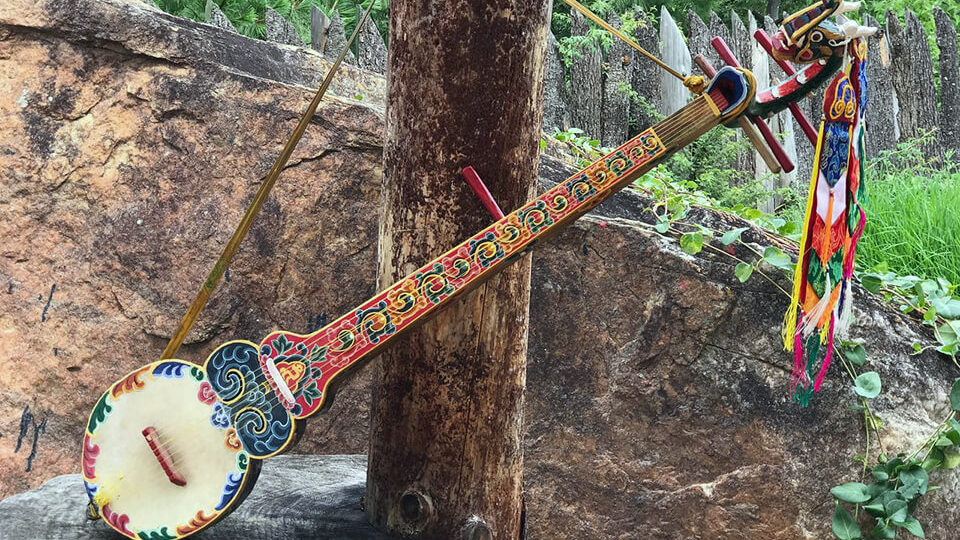
- Dranyen music - Six-stringed lute accompanying storytelling
Local Markets
Travel Essentials
- Visa: Mandatory Sustainable Development Fee ($100/day, includes tours); e-visa for most.
- Transport: Drukair/Bhutan Airlines to Paro, local buses, taxis, guided treks.
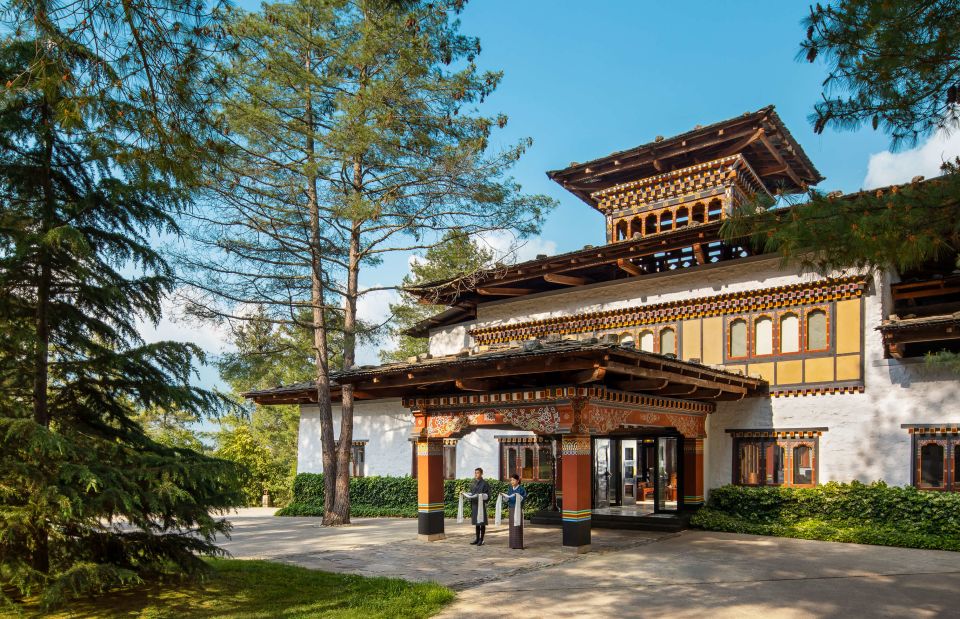
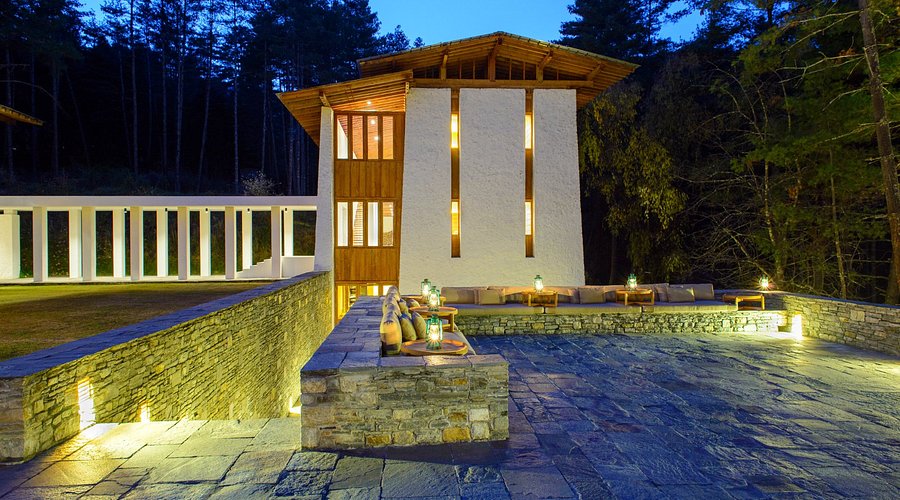
- Accommodation: Boutique dzong guesthouses, luxury resorts like Aman.
- Budget: $250–400 (includes SDF), $400–600 (mid), $700+ (luxury).
- Safety:Very safe; altitude sickness risk—acclimatize slowly.
Fun Facts & Highlights
- Trivia: Only carbon-negative country, measures Gross National Happiness.
- Hidden Gems:Haa Valley hot springs, Phobjikha crane sanctuary, Gasa Tsachu baths.
- Movies:Travellers and Magicians (2003), The Cup (1999).
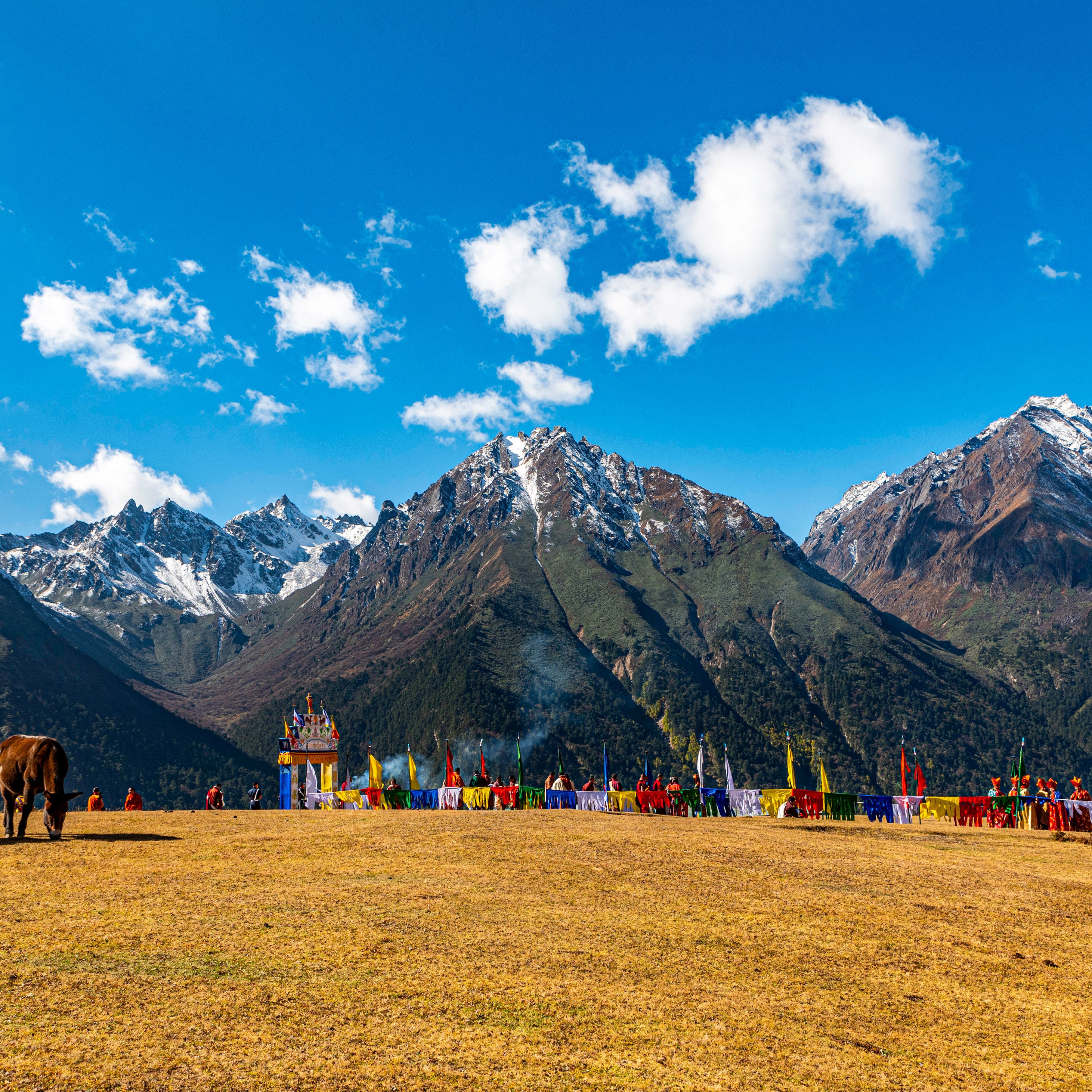
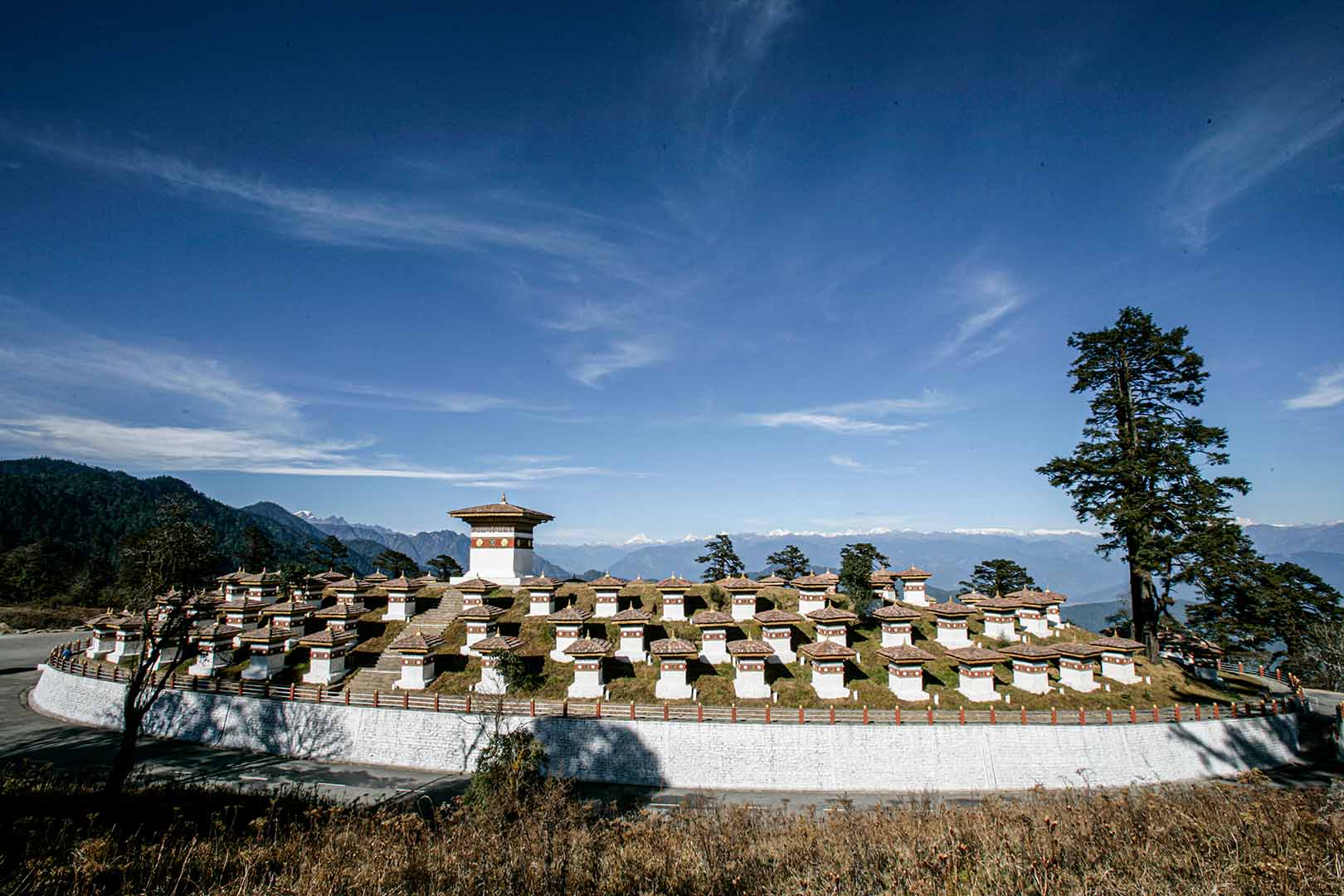
- Insta Spots: Tiger's Nest cliffs, Punakha Dzong reflections, Dochula prayer flags.
Quick Guide
A handy guide for travelers highlighting the top attractions, local cuisine, accommodation, souvenirs, and essential phrases to help you plan your trip efficiently and immerse yourself in Bhutan’s spiritual harmony and Himalayan serenity.
Top Hotels
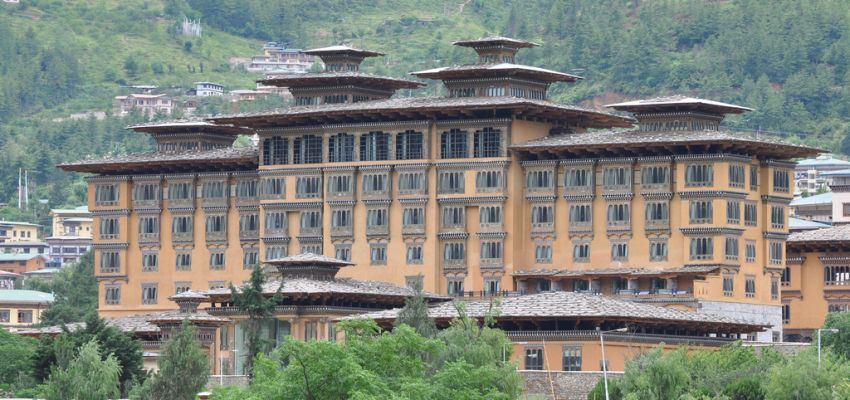

Top Souvenirs
Thangka prints, prayer wheels, handwoven textiles.
Common Phrases (Portuguese)
- Hello:Kuzuzangpo
- Thank You:Kadrinche
- Please:Tashi delek
Quick Tips
- Hire a guide—mandatory for authenticity and logistics.
- Pack layers for altitude shifts; eco-friendly gear encouraged.
- Contribute to GNH by treading lightly on trails.
Gallery Highlights

Travel Tips & Warnings
Do’s & Don’ts
- Circumambulate chortens clockwise
- Dress modestly in temples
- Don’t smoke in public or litter sacred areas
- Embrace slow travel—Bhutan's pace heals the soul
Discover Bhutan, Your Way
Tailored journeys through turquoise coasts, rich culture, and wild beauty.
Dragon Kingdom's heart
Discover Bhutan bustling capital with its colonial charm, colorful markets, and scenic oceanfront cafes.
Explore TripThe Tiger's Lair
Sail across the Bazaruto Archipelago, enjoy barefoot luxury, and snorkel in coral-filled turquoise lagoons.
Explore TripParo Taktsang
Relax on golden beaches, dive with whale sharks, and explore the laid-back coastal charm of Inhambane Province.
Explore TripPunakha Dzong
Embark on a thrilling safari in Mozambique’s rewilded park — home to lions, elephants, and breathtaking landscapes.
Explore Trip